

- By Smile Roofing
- Roofing Tips
- 0 Comment
Choosing between a flat roof and a pitched roof is not simply a matter of which one looks cleaner, costs less to install, or seems easier to maintain. The real difference comes from how each roof manages water, how much detail is required during installation, how often the roof needs attention, and how easily small issues can be found before they become larger problems.
A flat roof may appear simpler because it has fewer visible angles and often uses broad, continuous roofing surfaces. A pitched roof may appear more traditional because it naturally sheds rainwater and supports familiar materials like shingles, tile, or metal. Both systems can perform well when designed, installed, and maintained properly. Both can also become expensive to own when drainage, flashing, ventilation, material selection, or workmanship are ignored.
The most useful comparison is not “flat roofs are cheaper” or “pitched roofs last longer.” A better question is: which roof system fits the structure, climate, water flow, maintenance expectations, and long-term ownership plan?
Why Flat Roof Costs and Pitched Roof Costs Are About More Than the First Estimate
The initial estimate only shows part of the roof’s financial picture. A roof that looks less expensive at the beginning may require more frequent inspection, cleaning, coating, or drainage attention. A roof that requires more labor upfront may create fewer routine maintenance demands because its slope helps water move away more naturally.
The shape of the roof affects nearly every decision that follows. It influences material options, labor access, safety setup, drainage design, flashing details, ventilation needs, and repair visibility. Before comparing flat and pitched roof systems, the structure itself needs to be understood clearly.
Roof Geometry Shapes the Scope of Work
A simple roof plane is usually easier to plan than a roof with many transitions. On a flat roof, the main concerns often include drains, parapet walls, roof edges, skylights, HVAC units, vents, scuppers, and surface ponding. On a pitched roof, the main concerns often include valleys, ridges, hips, chimneys, dormers, wall intersections, gutters, and slope-related access.
Accurate measurements matter because roof area alone does not tell the whole story. Pitch, edges, ridges, flashing zones, and roof complexity all affect the final scope. Property owners who want a clearer starting point can benefit from roof measurements using high-definition satellite imagery before comparing flat roof and pitched roof options.
Ownership Cost Depends on Maintenance Behavior
Two roofs with similar installation quality can perform very differently if one is maintained and the other is ignored. Flat roofs typically need more frequent visual checks because water moves slowly across low-slope surfaces. Pitched roofs may not need the same rhythm of surface monitoring, but they still require attention to gutters, flashing, underlayment, ventilation, and storm-related damage.
The real cost difference appears over time. It shows up in how quickly small problems are noticed, how easy they are to repair, and whether maintenance is planned or delayed until a leak appears indoors.
Flat Roof Installation Factors That Influence Long-Term Cost
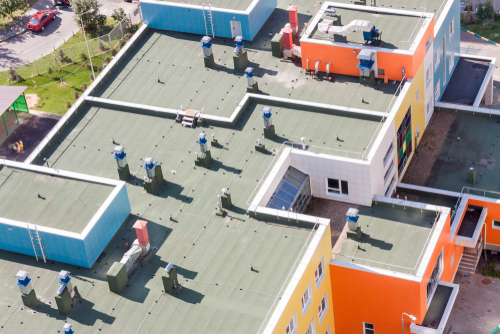
Flat roofs are common on commercial buildings, additions, garages, multifamily properties, and modern residential designs. Their clean lines and usable roof areas can be practical, but the system must be planned around water movement. A flat roof is not truly flat. It needs controlled slope, drainage points, and reliable waterproofing details.
Flat Roofing Materials Change the Maintenance Profile
Flat roof systems often use materials such as TPO, PVC, EPDM, modified bitumen, built-up roofing, or roof coatings. Each material behaves differently under heat, UV exposure, foot traffic, and standing water risk.
A reflective single-ply membrane may help reduce surface heat. Modified bitumen may offer a layered approach in certain applications. EPDM can be flexible, but seams and penetrations still require careful detailing. Coatings can help maintain a roof surface when the existing system is still suitable for restoration, but coatings should not be treated as a cure for hidden moisture, saturated insulation, failing decking, or major structural problems.
The right material depends on the building, roof use, drainage, existing condition, and maintenance expectations.
Drainage Is the Hidden Difference in Flat Roof Ownership
Drainage is one of the most important factors in flat roof performance. A low-slope roof may use internal drains, scuppers, gutters, tapered insulation, crickets, or overflow drainage. When these elements are designed and maintained properly, water can move away from vulnerable areas. When drainage is weak, debris accumulates, ponding water develops, and the membrane experiences more stress.
Ponding Water Raises Maintenance Demands
Ponding water does not automatically mean a roof has failed, but it does deserve attention. Water that remains in the same areas can accelerate surface wear, attract debris, stress seams, and reveal low spots in the system. Over time, these areas may become more vulnerable to leaks, especially around seams, edges, drains, and penetrations.
A flat roof owner should think of drainage maintenance as part of roof ownership, not as an optional task after a problem appears.
Rooftop Equipment Adds Detail and Risk
Flat roofs often support HVAC units, vent pipes, satellite equipment, skylights, access hatches, and service walkways. Each item creates an interruption in the roofing surface. Every interruption needs proper flashing and sealing.
Service traffic also matters. Technicians walking across the roof can damage coatings, membranes, or flashing if the surface is not protected. Walk pads, clear access paths, and routine inspections help reduce avoidable wear.
Pitched Roof Installation Factors That Influence Long-Term Cost
Pitched roofs are common on homes because they shed water efficiently and support a wide range of materials. Their slope can be a major advantage, especially during rain, but the structure is not automatically maintenance-free. The more complex the roofline, the more details must be installed correctly.
Pitched Roofing Materials Affect Durability and Repair Needs
Pitched roofs may use asphalt shingles, clay tile, concrete tile, metal panels, slate, synthetic products, or wood shakes where suitable. Each option has different weight, appearance, maintenance behavior, and installation requirements.
Asphalt shingles are widely used and familiar. Tile can provide strong curb appeal and durability, but broken pieces and underlayment condition need attention. Metal roofing can perform well when fasteners, seams, flashing, and expansion details are handled properly. Premium materials may require more specialized installation and repair knowledge.
The best material is not always the one with the strongest reputation. It is the one that fits the home’s structure, roof slope, local exposure, and maintenance plan.
Slope, Height, and Roof Complexity Change the Work
A pitched roof can be straightforward when it has simple gable sections and clean access. It becomes more complex when there are steep slopes, multiple levels, dormers, skylights, chimneys, valleys, roof-to-wall intersections, and difficult access points.
These features do more than affect installation labor. They create more places where water must be guided correctly. Valleys concentrate runoff. Chimneys and walls require flashing. Ridges and vents affect airflow. Gutters and downspouts manage water after it leaves the roof surface.
For property owners comparing systems, it helps to work with a team that understands repair, installation, and inspection across different roof types. A page focused on roof repair, installation, and inspection support can help connect the cost discussion to real service needs instead of abstract roof categories.
Water Shedding Is an Advantage, Not a Guarantee
A pitched roof’s slope helps water move downward, but water still finds weak points. It can enter through damaged flashing, cracked tile, lifted shingles, worn underlayment, clogged gutters, or deteriorated valley details. The slope lowers the risk of standing water, but it does not remove the need for periodic maintenance.
Flat Roof Versus Pitched Roof Cost Behavior by Ownership Factor
| Ownership Factor | Flat Roof Cost Behavior | Pitched Roof Cost Behavior | Practical Meaning |
|---|---|---|---|
| Water movement | Requires intentional drainage design and cleaning | Uses slope to shed water more naturally | Drainage planning is central for flat roofs |
| Maintenance rhythm | Usually more frequent visual checks | Usually less frequent surface checks | Flat roofs reward proactive monitoring |
| Common weak points | Seams, drains, penetrations, parapets, ponding areas | Valleys, flashing, shingles, tiles, gutters, underlayment | Each roof type fails in different places |
| Repair access | Often easier to walk when safe and properly protected | Can be harder on steep or high sections | Access affects inspection and repair planning |
| Material choice | Membranes, modified systems, coatings, insulation assemblies | Shingles, tile, metal, slate, synthetic products | Material selection affects long-term care |
| Hidden damage risk | Moisture may affect insulation or deck below membrane | Underlayment or attic issues may stay hidden | Inspections help reveal problems before leaks spread |
Simple Flat Roofs Can Be Efficient
A flat roof with easy access, limited penetrations, good drainage, and a suitable membrane can be efficient to install and maintain. The open surface may allow crews to work without the same slope-related safety challenges seen on steep pitched roofs.
Complex Pitched Roofs Can Require More Detail
A pitched roof with many angles, valleys, dormers, and transitions can require careful planning. Every intersection must move water correctly. Even strong materials can underperform if the flashing or underlayment details are weak.
Building-Specific Conditions Decide the Better Value
The better roof is not determined by shape alone. Size, access, drainage, existing deck condition, material choice, ventilation, sun exposure, trees, and workmanship all shape the final ownership experience.
The Real Maintenance Difference Between Flat Roofs and Pitched Roofs
Maintenance is where the biggest practical difference appears. Flat roofs usually require more frequent attention because low-slope surfaces do not remove water and debris as quickly. Pitched roofs often need less frequent surface monitoring, but damage can be harder to see from the ground.
Flat Roof Maintenance Focuses on Water, Seams, and Surface Condition
Flat roof maintenance should focus on clearing drains, checking scuppers, removing debris, reviewing seams, inspecting flashing, watching for ponding areas, and checking around rooftop equipment.
The goal is to prevent small openings from becoming water pathways. A tiny puncture, separated seam, clogged drain, or loose flashing detail can become a bigger issue when water sits nearby.
A responsible maintenance routine may include professional inspection, especially after heavy weather, nearby construction, equipment service, or visible drainage problems. Property owners who want a clearer understanding of current roof condition can schedule a no-cost inspection with a detailed roof report before deciding whether maintenance, repair, or replacement is the right next step.
Pitched Roof Maintenance Focuses on Surface Damage and Water Pathways
Pitched roof maintenance usually involves checking for missing shingles, cracked tiles, exposed fasteners, damaged ridge pieces, clogged gutters, loose flashing, and debris in valleys. The surface may appear fine from the street, while problems develop under tiles, around penetrations, or at roof intersections.
A pitched roof can also suffer when gutters overflow. If water cannot leave the roof edge properly, it may back up into fascia, walls, or lower roof sections. Valley debris can slow water movement and increase wear in concentrated drainage areas.
Maintenance Timing Influences Repair Severity
Early maintenance usually gives owners more options. A clogged drain, cracked tile, lifted shingle, or small flashing gap is easier to address before water reaches insulation, decking, ceilings, or interior finishes.
Delayed maintenance often limits choices. Once moisture spreads below the roof surface, repairs may involve more than the visible roofing material.
Flat Roof Repair Patterns That Owners Should Understand
Flat roof repairs often center on the same recurring areas: drainage, seams, penetrations, flashing, coatings, and membrane condition. Understanding these patterns helps owners interpret inspection findings more realistically.
Drainage Corrections May Be More Important Than Surface Patching
A patch may stop one leak, but it will not solve a drainage pattern that keeps water in the same low area. When a flat roof repeatedly shows ponding, clogged drains, or stains around scuppers, the underlying water movement should be reviewed.
Drainage corrections can involve cleaning, adjusting, or improving water pathways. In some cases, the roof assembly may need more substantial work, but that decision should come from inspection findings rather than guesswork.
Seam and Flashing Issues Need Careful Detailing
Flat roof seams and flashing details are especially important because water may sit near them longer than it would on a pitched surface. Parapet walls, pipe penetrations, skylights, drains, and equipment curbs all need attention.
A quick surface fix may not be enough if the flashing system is deteriorated or if the surrounding membrane has lost flexibility. Durable flat roof repair depends on identifying the weak point accurately.
Coatings Should Be Used for the Right Situation
Roof coatings can be useful when the existing roof is a suitable candidate. They may help protect the surface, improve reflectivity, and extend service life when the roof is dry, stable, and properly prepared.
Coatings should not be presented as a universal replacement for repair or replacement. If insulation is saturated, decking is compromised, or the membrane is severely failed, coating the surface may hide a problem rather than solve it.
Pitched Roof Repair Patterns That Owners Should Understand
Pitched roof repairs often involve surface materials, flashing, valleys, underlayment, ventilation, and gutters. Because water moves quickly on sloped surfaces, small defects in the wrong place can still create leaks.
Shingle, Tile, and Metal Surface Repairs
Common pitched roof issues include missing shingles, lifted tabs, cracked tiles, slipped tiles, damaged ridge caps, loose fasteners, dented metal, or worn sealant around penetrations. These problems may look minor, but they can expose the underlayment or deck below.
Surface material repairs should match the roof system. Replacing a tile or shingle without checking the surrounding flashing or underlayment can leave the real issue unresolved.
Valleys and Flashing Carry Concentrated Water
Valleys are high-demand areas because they collect water from two roof planes. Chimneys, skylights, walls, and vents also need careful flashing because they interrupt the roof surface.
When pitched roof leaks appear after rain, these intersections are often worth inspecting. A roof does not need to be old to leak if water is being directed into a weak flashing detail.
Ventilation and Underlayment Affect Long-Term Performance
A pitched roof’s visible material is only part of the system. Underlayment helps protect the deck beneath shingles or tile, while attic ventilation helps manage heat and moisture.
Poor airflow can contribute to heat buildup and material stress. Aging underlayment can become a hidden weakness, especially under tile roofs where the surface material may last longer than the water-resistant layer beneath it.
Building Type and Local Conditions Change the Flat Roof Versus Pitched Roof Decision
A roof should be selected and maintained for the building it protects. Residential homes, commercial properties, multifamily buildings, additions, and garages often have different priorities.
Residential and Commercial Roofs Have Different Use Patterns
A commercial flat roof may support equipment, service access, drainage systems, and larger uninterrupted surfaces. A residential pitched roof may prioritize curb appeal, attic ventilation, gutter performance, and weather protection.
Some homes combine both systems, such as a pitched main roof with a flat garage, patio cover, or addition. Mixed roof types require careful transitions because water from one surface may drain near another.
For property owners comparing repair, replacement, or maintenance options across different roof types, roof repairs and full replacement services provide a clearer service context for matching the work to the building’s actual condition.
Sun Exposure and Heat Cycling Affect Both Roof Types
Strong sun and temperature changes can affect membranes, shingles, tiles, coatings, flashing, and sealants. Flat roofs often experience direct exposure across broad surfaces. Pitched roofs may experience uneven exposure depending on orientation, shade, and roof plane direction.
Material selection should account for heat, UV exposure, local requirements, and the roof’s design. Reflective products, proper ventilation, and compatible materials can support better performance when chosen for the right application.
Trees, Debris, and Wind Shape Maintenance Needs
Nearby trees can increase maintenance needs for both flat and pitched roofs. Leaves may block flat roof drains or collect behind parapets. On pitched roofs, debris can gather in valleys, gutters, and behind chimneys.
Wind can lift shingles, move debris, stress flashing, or expose weak edges. After strong weather, a visual review can help identify issues that are not obvious from the ground.
Lifetime Value Comes From Design, Installation, and Maintenance Discipline
A roof’s lifetime value depends on how well the system matches the structure and how consistently it is maintained. Flat roofs and pitched roofs can both be strong investments when they are designed honestly and cared for properly.
When a Flat Roof Can Deliver Strong Value
A flat roof can be a practical choice when the roof has proper drainage, suitable membrane selection, reliable flashing, clean access, and a maintenance plan. It can work especially well for commercial buildings, modern homes, and roof sections where low-slope design is part of the architecture.
The owner should be comfortable with more frequent inspection and cleaning. Flat roof value depends heavily on preventing drainage problems and addressing small surface issues early.
When a Pitched Roof Can Deliver Strong Value
A pitched roof can be a practical choice when the structure supports the selected material, the slope sheds water effectively, flashing is installed carefully, and attic ventilation is balanced. It often suits traditional homes and properties where curb appeal and water shedding are major priorities.
The owner should still plan for maintenance. Gutters, valleys, flashing, and surface materials need periodic review, even when the roof appears sound from the street.
Workmanship Is a Cost Factor That Outweighs Roof Shape
A poorly installed flat roof can fail early around drains, seams, or penetrations. A poorly installed pitched roof can leak around valleys, flashing, or underlayment. In both cases, the roof shape is not the real problem. The issue is whether the system was installed with the right details for the building.
Reviewing examples of completed roofing projects can help property owners evaluate workmanship context before making decisions based only on roof type or material name.
How to Compare Flat Roof and Pitched Roof Quotes Without Getting Misled
A roofing quote should make the scope understandable. A low number with unclear details is not automatically a better value. A more complete estimate may reveal work that another quote left out.
What a Flat Roof Quote Should Explain
A flat roof quote should clearly describe the roofing system, membrane or surface material, drainage approach, insulation considerations, flashing details, roof penetrations, tear-off scope, disposal, decking concerns, and warranty information.
Drainage should never be vague. If a flat roof has existing ponding, clogged drains, low spots, or parapet issues, the quote should explain how those conditions will be addressed or evaluated.
What a Pitched Roof Quote Should Explain
A pitched roof quote should describe the roofing material, underlayment, flashing, valleys, ridges, ventilation, gutters where relevant, tear-off scope, disposal, decking repairs, and warranty information.
For tile roofs, the underlayment deserves special attention. For shingle roofs, ventilation and flashing details matter. For metal roofs, fastening, expansion, and transitions should be clear.
Written Detail Helps Protect the Maintenance Budget
A clear written estimate helps owners compare real scope instead of surface-level numbers. It also reduces confusion about what is included and what may be discovered after tear-off.
Before choosing between flat and pitched roof work, property owners can request a written roofing quote before work begins so the comparison is based on documented scope rather than assumptions.
Questions That Reveal the Real Maintenance Difference
Good roof decisions come from asking practical questions before choosing a system, approving a repair, or accepting a replacement recommendation.
Seven Questions to Ask Before Choosing a Roof System
What roof material fits this structure, and why?
How will the roof move water away from vulnerable areas?
Which flashing details are included in the work?
Are drains, gutters, valleys, or scuppers part of the maintenance plan?
What hidden conditions could change the scope after inspection or tear-off?
How often should this specific roof be inspected?
What maintenance tasks should the owner expect after installation?
Red Flags in Flat Roof and Pitched Roof Discussions
A flat roof proposal should not ignore drainage. A pitched roof proposal should not ignore underlayment, flashing, or ventilation. Any roof proposal should avoid vague material descriptions, unclear warranty language, missing decking notes, or promises that make maintenance sound unnecessary.
A reliable roofing discussion should make the owner more informed, not more pressured.
Common Owner Questions About Flat Roof Costs and Pitched Roof Maintenance
Property owners often enter the decision with simple assumptions. The better answers are usually more specific.
Is a Flat Roof Always Less Expensive Than a Pitched Roof?
No. A flat roof can be efficient on a simple structure, but drainage, insulation, membrane selection, penetrations, and roof condition may increase the scope. A pitched roof can require more labor because of slope and safety needs, but it may reduce standing-water concerns.
Does a Pitched Roof Always Last Longer Than a Flat Roof?
Not always. Lifespan depends on material, workmanship, ventilation, flashing, drainage, maintenance, and exposure. A well-maintained flat roof can outperform a neglected pitched roof. A well-built pitched roof can also provide strong long-term value when the system is properly cared for.
Why Do Flat Roofs Need More Frequent Attention?
Flat roofs move water more slowly. Debris, clogged drains, ponding areas, seams, and rooftop equipment can create maintenance needs that should be checked before leaks develop.
Why Can Pitched Roof Damage Be Hard to Notice?
Pitched roof damage may hide under tiles, behind flashing, inside valleys, or in attic spaces. A roof can look acceptable from the ground while underlayment, flashing, or ventilation issues are developing.
How Should an Owner Decide Between Repair and Replacement?
The decision depends on roof age, leak history, surface condition, hidden moisture, decking condition, material availability, drainage performance, and future plans for the property. Owners comparing next steps can review answers to common roofing questions to better understand the decision points that often come up during roof evaluations.
Choosing the Roof System That Fits the Building and the Maintenance Reality
The strongest flat roof versus pitched roof comparison begins with honesty about the building. A flat roof can be a smart system when drainage is designed correctly, penetrations are detailed well, and maintenance is treated as part of ownership. A pitched roof can be a smart system when slope, flashing, underlayment, ventilation, and material choice work together to move water away from the structure.
Neither system should be chosen because it sounds cheaper in general. The better roof is the one that fits the structure, handles water predictably, can be maintained realistically, and is installed with details that match the property’s actual conditions.
Flat roofs and pitched roofs have different cost behaviors because they have different maintenance realities. Flat roofs ask for closer attention to water movement and surface condition. Pitched roofs ask for careful attention to intersections, underlayment, ventilation, and drainage paths. When those differences are understood from the beginning, the roofing decision becomes clearer, safer, and more practical for long-term ownership.