

Flat Roofing Burbank, CA
Call For FREE Inspection
No Pressure & No Obligation
Get A Full Detailed Roofing Report & Quote!
-
Inquiry Form
Call us directly or complete the form to assess your roofing needs
-
Project Quote
Receive a full complimentary detailed report within 48 hours!
-
Smart Assessment
Quick and Free site assessment
-
Smile Roofing Done
From start to finish trust our experts to provide top-quality roofing services
Step 1
Submit Your Info
Help us understand your roofing needs.
Step 2
Sit Back and Smile
We’ll generate your customized roof report within hours. Leave it to us.
Step 3
Your Quote Is Ready
It’s that easy! Your full roof quote delivered within 48 hours.
Step 1
Inquiry Form
Call us directly or complete the form to assess your roofing needs
Step 2
Project Quote
Receive a full complimentary detailed report within 48 hours!
Step 3
Smart Assessment
Quick and Free site assessment
Step 4
Smile Roofing Done
From start to finish trust our experts to provide top-quality roofing services
Our Mission:
Professional Services Always Provided With A Smile
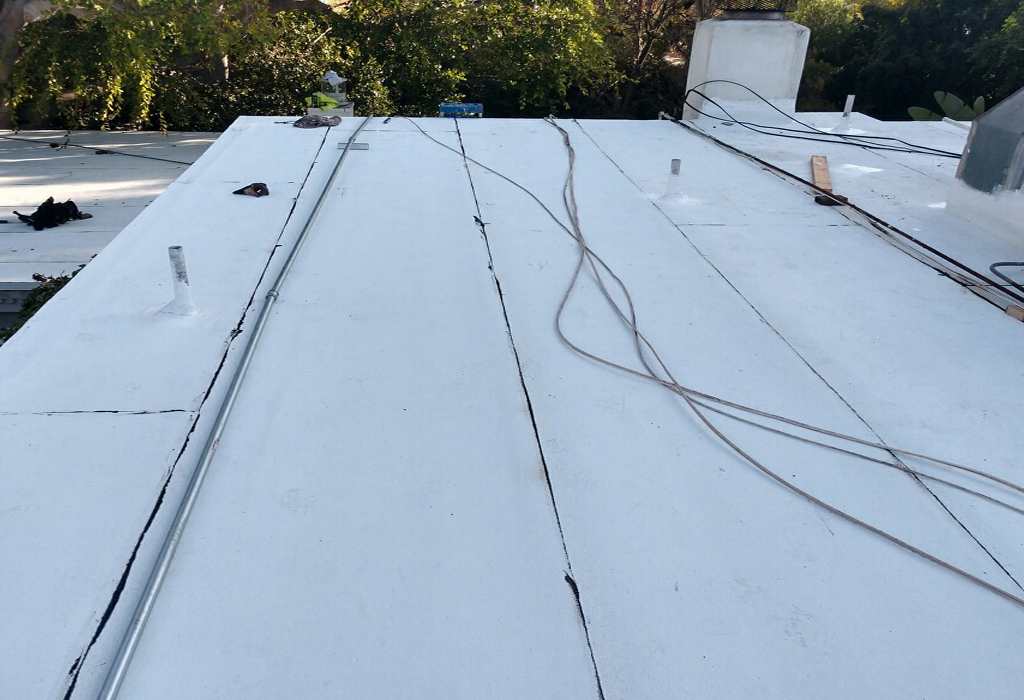
A flat roof can protect a home, apartment building, commercial property, garage, addition, or other low-slope structure for many years when the roofing system is selected carefully and maintained properly. When leaks, ponding water, loose seams, damaged flashing, or surface deterioration appear, the right solution depends on more than what is visible from the ground.
Smile Roofing provides flat roofing services for homeowners, property owners, property managers, and commercial clients throughout Burbank, California. We help evaluate existing roof conditions, identify areas that may require closer attention, and explain whether repair, restoration, coating, or replacement may be the most practical next step.
Our approach begins with information, not pressure. We want you to understand what is happening with your roof, which options may be appropriate, and what each proposed scope is intended to accomplish before you make a decision.
Clear Flat Roofing Guidance for Burbank Property Owners
Flat roofing requires a different approach from steep-slope roofing. Water does not move off the surface as quickly, roof penetrations often require detailed flashing work, and drainage performance can have a major effect on the condition of the roofing system.
A visible leak may begin at a seam, drain, edge, curb, vent, skylight, or another penetration several feet away from the interior stain. Ponding water may be related to drainage, roof slope, surface deflection, blocked outlets, or changes within the roof assembly. A worn surface may need a targeted repair, while widespread deterioration may call for a broader solution.
That is why we focus on the condition of the complete roof system rather than making assumptions from one symptom.
Start With the Condition of the Roof, Not a Sales Pitch
You may not need a complete flat roof replacement. In some cases, a localized repair can address an isolated problem when the surrounding roofing material remains serviceable. In other situations, restoration or a compatible coating may help extend the useful life of an existing system.
Replacement may be the better long-term decision when deterioration is widespread, moisture has affected a larger area, materials are separating, repeated repairs are no longer dependable, or the existing assembly cannot support another practical repair.
We explain the factors behind our recommendations so you can compare the available options with greater confidence.
Flat Roof Support for Homes, Rental Properties, and Commercial Buildings
Flat roofs appear on many types of Burbank properties, including homes with low-slope sections, garages, room additions, patios, apartment buildings, offices, retail properties, and other commercial structures.
Each property has different priorities. A homeowner may be focused on protecting interior finishes and controlling project costs. A property manager may need documentation, scheduling coordination, and a plan that considers tenants. A commercial owner may be concerned about equipment, inventory, rooftop units, access, and business interruption.
Our recommendations are shaped around the roof condition and the way the property is used.
Flat Roofing Services Available in Burbank
Smile Roofing provides a range of flat roofing services designed to address different roof conditions and property goals. The appropriate service depends on the existing material, roof age, damage pattern, moisture conditions, drainage, access, and long-term plans for the building.
Flat Roof Inspections and Leak Diagnosis
A flat roof inspection is intended to identify visible conditions that may be contributing to leaks, deterioration, or reduced performance. It can also help determine whether further investigation is needed before a reliable scope can be prepared.
The source of a leak is not always directly above the area where water becomes visible indoors. Water can travel beneath roofing materials, along structural components, or through insulation before reaching the interior.
What a Flat Roof Inspection Should Evaluate
Depending on access and roof conditions, an evaluation may include:
• Membrane wear, cracking, splitting, bubbling, or blistering
• Open seams or separated laps
• Flashing around walls, edges, vents, skylights, and equipment
• Roof drains, scuppers, gutters, and other drainage points
• Areas where water appears to remain after rainfall
• Penetrations for pipes, vents, conduits, and rooftop equipment
• Signs of previous repairs and recurring failure points
• Visible moisture staining or deterioration
• Transitions between different roof materials
• Accessible areas of the roof deck or supporting surface
A visual inspection can reveal important information, but some conditions remain hidden beneath the surface. Additional testing or limited removal may be necessary when trapped moisture, insulation damage, or deck deterioration is suspected.
Flat Roof Repair
Flat roof repair may be practical when the problem is limited and the surrounding roofing system remains in suitable condition. Repairs may involve damaged membrane areas, open seams, flashing details, penetrations, edges, drains, or other localized components.
A repair should address the cause of the problem rather than simply cover the visible symptom. Applying roofing material over a wet, loose, contaminated, or incompatible surface can result in another failure.
When a Targeted Repair May Be Practical
A localized repair may be considered when:
• The damage is confined to a manageable area
• The surrounding membrane remains secure and serviceable
• The source of the leak can be reasonably identified
• Moisture has not affected a broad portion of the assembly
• Flashing can be repaired or replaced without rebuilding the complete roof
• Existing materials are compatible with the proposed repair
• Drainage problems do not require major reconstruction
The roof should still be evaluated as a complete system. A small visible opening can be one part of a larger condition.
Flat Roof Coatings and Restoration
A roof coating can provide a renewed protective surface for certain existing flat roofs. Depending on the product and roof condition, a coating may improve weather resistance, reflectivity, and surface continuity.
Coatings are not universal substitutes for replacement. The existing roof must be suitable for restoration, and preparation is essential.
When a Roof Coating May Be Considered
A coating may be an option when:
• The existing roof system is still attached and reasonably stable
• Wet or damaged areas can be identified and corrected
• The surface can be cleaned and prepared properly
• Seams, flashings, and penetrations can be reinforced
• The coating is compatible with the existing material
• Drainage is adequate or can be improved as part of the project
• The customer understands the maintenance requirements
The coating system should be selected for the roof material, property use, surface condition, and project goals.
When a Coating May Not Solve the Problem
A coating may not be appropriate when the roof has widespread trapped moisture, extensive material separation, damaged decking, severe drainage problems, or an unstable existing assembly.
It also cannot correct every slope or structural issue. Coating over an unsuitable roof may hide the condition temporarily without resolving the underlying problem.
Flat Roof Replacement and New Installation
Flat roof replacement may involve removing part or all of the existing roofing materials, evaluating the exposed surface, completing necessary repairs, and installing a new roofing assembly.
The scope depends on the number of existing layers, deck condition, insulation, drainage, flashing, penetrations, local requirements, and the selected roofing material.
Conditions That May Point Toward Replacement
Replacement may be considered when:
• Leaks continue in multiple areas
• Roofing materials are extensively cracked, brittle, loose, or separated
• Moisture has spread beneath a significant portion of the roof
• The roof has received repeated repairs without dependable results
• The existing system is no longer a suitable base for restoration
• Flashing failures are widespread
• The deck or supporting surface requires broader repair
• Existing layers create compatibility or installation concerns
• The property owner wants a longer-term roofing plan
A replacement recommendation should include a clear explanation of the existing conditions, proposed material, drainage details, flashing approach, and work included in the scope.
Signs Your Flat Roof Needs Professional Attention
Flat roof problems often begin with subtle changes. Addressing them early may limit interior damage and provide more options for repair.
Ponding Water That Remains After Rain
Flat roofs are designed with enough slope and drainage to move water toward drains, scuppers, gutters, or other outlets. When water remains in low areas, it can place additional stress on seams, flashings, coatings, and surface materials.
Ponding may result from clogged drainage points, compressed insulation, deck movement, poor slope, previous roofing work, or localized depressions. The right correction depends on the cause.
Cracks, Splits, Bubbles, or Blisters
Surface cracks and splits can allow moisture to enter the roofing assembly. Bubbles and blisters may indicate trapped air, vapor, moisture, poor adhesion, or movement within the roofing system.
These symptoms do not always require complete replacement, but they should be evaluated before they expand or affect surrounding materials.
Loose Seams and Separated Flashing
Seams and flashing details are common areas of concern on flat roofs. Movement, aging, heat exposure, installation conditions, and previous repairs can cause materials to lift or separate.
Openings around edges, walls, curbs, drains, and penetrations can allow water to move beneath the roof surface.
Leaks Around Drains, Skylights, Vents, and HVAC Equipment
Every roof penetration creates a transition that must remain watertight. Leaks may develop around pipe boots, vent flashings, skylight curbs, drains, conduits, and rooftop heating or cooling equipment.
The visible entry point inside the building may not identify the actual exterior defect. A careful inspection should follow the likely water path and evaluate surrounding details.
Recurring Leaks After Previous Repairs
A recurring leak can mean the original source was not corrected, the repair material was incompatible, moisture remained beneath the surface, or another nearby defect developed.
Repeated patching may become less practical when repairs overlap, the surrounding roof is deteriorating, or the source cannot be isolated reliably.
Interior Stains, Dampness, or Unexplained Odors
Ceiling stains, peeling paint, damp materials, musty odors, or discolored walls may indicate water intrusion. These signs should be investigated promptly, but they do not confirm the exact roof problem on their own.
Plumbing, condensation, wall openings, and other building components can create similar symptoms. A professional evaluation helps narrow the possible causes.
Should You Repair, Coat, or Replace a Flat Roof?
The right option depends on the age and condition of the roof, the extent of damage, moisture beneath the surface, drainage, material compatibility, previous repairs, property use, and your long-term plans.
Repair is generally focused on a limited defect. Restoration or coating renews a suitable existing surface. Replacement provides a new roofing assembly when the current system can no longer support a dependable repair or restoration plan.
Flat Roof Repair May Make Sense When Damage Is Limited
Repair may be appropriate when the roof is generally stable and the problem is confined to one or several manageable areas.
A professional repair should integrate with the existing roof system, reinforce vulnerable transitions, and use compatible materials. The scope should also identify any maintenance work that may help prevent the same issue from returning.
Roof Restoration May Make Sense When the Existing System Is Suitable
Restoration can be considered when the existing roof remains attached, wet areas are limited or removable, and the surface can accept a compatible coating system.
Preparation may include cleaning, localized repairs, seam reinforcement, flashing corrections, and treatment around drains or penetrations. Skipping preparation can reduce the effectiveness of the coating.
Replacement May Be the Better Long-Term Decision When Problems Are Widespread
Replacement may provide better value when the roof has broad deterioration, extensive moisture, recurring failures, multiple aging layers, or a damaged supporting surface.
A new assembly also creates an opportunity to review insulation, drainage, edge details, penetrations, and material selection as part of one coordinated scope.
The Inspection Factors That Change the Recommendation
Roof Age and Maintenance History
Age alone does not determine whether a roof must be replaced. Installation quality, material type, exposure, drainage, maintenance, and previous work all affect performance.
A documented maintenance history can help identify recurring conditions and understand how the roof has responded to earlier repairs.
Moisture Beneath the Surface
Visible roofing material may appear repairable even when moisture has spread below it. Trapped moisture can affect insulation, adhesion, fasteners, decking, and interior conditions.
The amount and location of moisture can significantly change the recommended scope.
Drainage and Ponding
Repairing a membrane without addressing a major drainage problem may leave the roof vulnerable to continued stress.
Drain locations, scuppers, gutters, slope, low areas, and rooftop obstructions should be considered when preparing a long-term solution.
Existing Layers and Material Compatibility
The number and type of existing roof layers can affect adhesion, fastener selection, weight, removal requirements, and compatibility with new materials.
A product that performs well on one roof may not be suitable for another existing assembly.
Flashing and Penetration Condition
Roof edges, walls, curbs, vents, drains, and equipment supports often require more detailed work than open roof areas.
When flashing problems are extensive, the repair scope may need to expand beyond the visible leak.
Property Use and Long-Term Plans
The right recommendation for a garage may differ from the right recommendation for an occupied commercial building.
Budget, expected ownership period, tenant needs, future equipment changes, energy goals, and planned renovations can all influence material and scope decisions.
Flat Roofing Material Options
No single flat roofing material is automatically right for every Burbank property. The best choice depends on the roof design, existing assembly, drainage, use, access, budget, reflectivity goals, installation requirements, and maintenance plan.
Modified Bitumen Roofing
Modified bitumen is an asphalt based roofing material reinforced for improved strength and flexibility. It is commonly installed in sheets and may be used in single layer or multi-layer assemblies, depending on the system.
Where Modified Bitumen May Be Considered
Modified bitumen may be considered for residential and commercial low-slope roofs where durability, reinforced material, and compatibility with specific roof details are important.
Different products and application methods are available, so the system should be selected according to the building, substrate, fire considerations, access, and manufacturer requirements.
Installation, Seams, Surfacing, and Maintenance Factors
Seams, laps, edges, flashings, and penetrations require careful installation. Surface options may include granulated finishes or reflective coatings.
Regular inspection remains important because damage can develop around transitions, drains, equipment, and previous repair areas.
TPO Roofing
Thermoplastic polyolefin, commonly called TPO, is a single-ply roofing membrane often selected for low-slope commercial and residential applications.
Many TPO systems use light colored surfaces that can reflect a portion of solar heat. Performance depends on membrane selection, attachment, seam welding, flashing, substrate preparation, and installation quality.
Reflectivity and Single-Ply Construction
A reflective membrane may help reduce roof surface heat compared with darker materials. Actual building performance depends on insulation, ventilation, property design, climate, equipment, and other factors.
Because TPO is installed as a membrane system, seams and transitions must be completed carefully.
Seam, Flashing, and Installation Considerations
Heat welded seams are an important part of many TPO systems. Wall transitions, drains, curbs, edges, and penetrations require compatible accessories and detailed workmanship.
The existing surface must also be evaluated to determine whether removal, separation layers, cover boards, insulation work, or other preparation is needed.
PVC Roofing
Polyvinyl chloride, known as PVC, is another single-ply roofing membrane used on low-slope buildings. It may be considered for certain commercial, multifamily, and specialized applications.
Commercial and Specialized Application Considerations
PVC systems are available in different thicknesses, reinforcement types, attachment methods, and configurations. Material selection should reflect the property’s use, rooftop conditions, chemical exposure, maintenance needs, and project budget.
Compatibility and Cost Factors
PVC may not be compatible with every existing material without proper separation or preparation. The complete assembly, not only the membrane, affects project cost and performance.
Flat Roof Coating Systems
Roof coatings are fluid applied systems designed to create a continuous protective surface over certain compatible roofs.
Depending on the selected product, coatings may be used to improve weather resistance, reflectivity, and surface protection.
Reflective Surface and Restoration Goals
A reflective coating can reduce heat absorption at the roof surface. It may also help renew an aging but serviceable system after necessary repairs and preparation are completed.
The coating should be selected according to the existing material, roof slope, drainage, environmental conditions, and manufacturer instructions.
Preparation and Eligibility Requirements
A roof must be inspected before coating. Wet materials, loose sections, open seams, contaminants, and damaged flashing need to be addressed first.
Cleaning, priming, reinforcing, and applying the correct amount of coating are important parts of a complete restoration process.
Which Flat Roofing Material Is Right for Your Burbank Property?
The right material is the one that fits the actual roof assembly and project goals. A recommendation should consider:
• Existing roofing materials
• Roof deck and insulation condition
• Drainage and slope
• Number and type of penetrations
• Residential or commercial use
• Rooftop equipment
• Reflectivity goals
• Maintenance expectations
• Access and installation constraints
• Budget and expected ownership period
We explain the reasons behind a material recommendation so you can evaluate more than the product name.
Residential Flat Roofing in Burbank
Residential flat roofs may cover an entire home or a specific section such as an addition, garage, porch, balcony area, or patio structure.
These smaller roof sections can still include complicated transitions where flat roofing meets walls, tile roofing, shingles, stucco, windows, drains, or other building components.
Flat Roof Sections, Additions, Garages, and Patios
Leaks often develop where different materials connect. A low-slope addition attached to an older home may have wall flashing, roof to roof transitions, drainage limitations, or previous repairs that require close evaluation.
The repair should address the complete transition rather than treating only the open roof surface.
Rental and Multifamily Property Considerations
Rental and multifamily projects may require additional coordination for access, tenant communication, interior inspection, parking, equipment placement, and work hours.
Owners and managers also benefit from clear documentation that explains the existing condition, proposed scope, material choice, and future maintenance needs.
Protecting Interiors While Planning the Right Scope
A roof concern should be addressed promptly, but urgency should not replace proper planning. Temporary protection may be appropriate in some situations while the permanent repair or replacement scope is prepared.
Smile Roofing also assists with additional roof types and project needs. Property owners can review our complete roofing services when a building includes both flat and pitched roofing systems.
Commercial Flat Roofing in Burbank
Commercial flat roofs often contain drains, scuppers, HVAC units, electrical conduits, exhaust vents, skylights, equipment supports, and other penetrations. Each component affects inspection, maintenance, and repair planning.
Commercial clients may also need work scheduled around tenants, employees, customers, deliveries, and business operations.
Roof Leaks, Ponding, and Membrane Damage
Commercial roof problems may affect offices, storage areas, retail spaces, equipment, inventory, or common areas. A clear evaluation should identify the likely source, affected area, immediate protection needs, and recommended long-term scope.
HVAC Curbs, Equipment, and Roof Penetrations
Rooftop equipment creates multiple transitions that require properly integrated flashing. Leaks may develop at curb corners, seams, pitch pockets, pipe supports, conduit penetrations, or areas disturbed during equipment work.
Roofing and mechanical work should be coordinated so repairs do not interfere with equipment operation or future service access.
Maintenance Planning for Property Managers
Routine inspections can help identify open seams, drainage blockages, surface damage, loose flashing, and aging repairs before they become larger problems.
A maintenance plan may include:
Scheduled roof inspections
Drain and scupper cleaning
Review of penetrations and flashing
Documentation of repairs
Inspection after equipment work
Monitoring of recurring ponding areas
Planning for restoration or replacement before widespread failure
Reducing Disruption During Roofing Work
Commercial roofing scopes should consider access routes, noise, odors, equipment placement, debris control, weather, working hours, tenant communication, and interior protection.
The project plan should explain how work will be organized and which property areas may be affected.
Flat Roof Considerations for Burbank Properties
Burbank property owners should consider heat exposure, rainfall, drainage, rooftop equipment, property access, and local project requirements when planning flat roofing work.
Sun Exposure and Reflective Roofing Options
Strong sun can affect roof surface temperatures, coatings, seams, and aging. Reflective membranes and coatings may be considered when they are compatible with the roof and aligned with the property’s energy and maintenance goals.
Reflectivity is one factor in material selection. Insulation, roof design, ventilation, building use, and installation quality also influence performance.
Seasonal Rain and Drainage Performance
Periods of dry weather can allow drainage problems to go unnoticed until rainfall returns. Roof drains, scuppers, gutters, and downspouts should remain clear and properly connected.
An inspection can also identify low areas, damaged drain components, loose material, or debris that may slow water movement.
Rooftop Equipment and Penetration Details
Air conditioning equipment, vents, pipes, skylights, and electrical components can create vulnerable roof details. Service work by other trades may also affect flashing or membrane surfaces.
After rooftop equipment is installed, moved, or repaired, the surrounding roofing should be checked for damage.
Access, Scheduling, and Property Use
The scope of a flat roofing project may be influenced by roof access, neighboring structures, parking, equipment staging, business activity, tenant needs, and debris handling.
Discussing these conditions before work begins helps create a more realistic schedule and project plan.
Flat Roof Permits and Project Planning in Burbank
Depending on the project scope, roofing work in Burbank may require a permit, inspections, and supporting documentation. Requirements can vary based on whether the work involves repair, reroofing, removal, structural changes, insulation, drainage modifications, or other building alterations.
When a Roofing Permit May Be Required
Minor maintenance and larger reroofing projects may be treated differently. The applicable requirements should be confirmed for the specific property and proposed scope before work begins.
A roofing contractor should not assume that every flat roof project follows the same permitting process.
Inspections and Project Documentation
When city inspections apply, work must be available for review at the required stages. Materials, installation details, and supporting documents may also need to match the approved project scope.
Property owners should keep copies of contracts, permits, product information, photographs, inspection records, and warranties provided for the project.
How Permit Planning Fits Into the Roofing Process
Permit review should be included in project preparation rather than treated as an afterthought. Confirming requirements can affect material ordering, scheduling, tear off work, inspections, and project completion.
Permit approval and inspection timing are controlled by the appropriate local authorities, so exact timelines should not be guaranteed.
How the Smile Roofing Process Works
We use a clear process to help Burbank property owners understand the roof condition and available options.
Step 1: Tell Us About the Property and Roof Concern
We begin by learning about the building, roof type, visible symptoms, previous work, and your goals.
Helpful information may include when the problem began, where interior signs appear, whether leaks occur during every rain, and whether rooftop equipment or other construction was completed recently.
Step 2: Review Satellite Measurements and Roof Details
Satellite measurements can help calculate roof dimensions, edges, pitch, and other project details. This information supports early planning, material estimates, and scope preparation.
Satellite imagery cannot confirm every surface or underlying condition. It does not replace physical evaluation when membrane damage, moisture, flashing, drainage, or deck concerns must be examined onsite.
Step 3: Complete an Onsite Inspection When Needed
An onsite inspection allows us to evaluate accessible roofing materials, seams, flashing, drains, penetrations, repairs, and visible damage.
Interior areas may also be reviewed when water staining or moisture is present and access is available.
Step 4: Compare Repair, Coating, and Replacement Options
After reviewing the roof, we explain which options appear practical and why.
A useful proposal should identify the area of work, preparation, materials, flashing details, drainage considerations, exclusions, and other important project conditions.
Step 5: Review Materials, Scope, Permits, and Scheduling
Before work proceeds, we review the selected roofing system, approved scope, project access, permit considerations, scheduling, and site preparation.
You should have the opportunity to ask questions and understand what is included before approving the project.
Why Burbank Property Owners Choose Smile Roofing
Flat roofing decisions can feel complicated, especially when different contractors recommend different solutions. We aim to make the process easier to understand.
Clear Information Without Same-Day Sales Pressure
Our role is to explain the roof condition and available options. We do not believe a property owner should be pushed into approving a major roofing project before understanding the recommendation.
Detailed Measurements and Practical Recommendations
Satellite measurements can support accurate planning, while onsite inspection helps evaluate physical roof conditions.
Using both forms of information allows the proposed scope to reflect roof dimensions and visible project needs.
Residential and Commercial Flat Roofing Experience
Residential and commercial flat roofs share some technical concerns, but the project priorities can be different.
We adjust our planning around property use, access, tenants, equipment, interior protection, and scheduling needs.
A Straightforward Quote and Communication Process
A roofing proposal should clearly explain what work is included. When conditions cannot be confirmed until materials are removed, that possibility should also be discussed.
Clear communication helps reduce surprises and makes it easier to compare roofing options.
Completed Roofing Work You Can Review
Real project examples provide more useful information than broad promotional claims. You can explore our recent roofing projects to view examples of completed work, roof types, and material applications.
Questions Burbank Property Owners Ask About Flat Roofing
Can a Leaking Flat Roof Be Repaired Without Replacing It?
Yes, some flat roof leaks can be repaired without replacing the complete roof. Repair may be practical when the source is identifiable, the damage is localized, and the surrounding materials remain in suitable condition.
Replacement may be recommended when leaks are widespread, moisture has affected a larger area, the roof is extensively deteriorated, or previous repairs are no longer dependable.
How Do I Know Whether My Flat Roof Needs Repair or Replacement?
The decision depends on the roof’s age, material, maintenance history, damage extent, moisture, drainage, flashing, existing layers, and supporting surface.
A small isolated defect may be repairable. Multiple leaks, widespread separation, saturated insulation, or deck damage may support a replacement recommendation.
What Causes Water to Pool on a Flat Roof?
Ponding water can result from blocked drains, inadequate slope, compressed insulation, deck movement, low areas, damaged drainage components, or changes caused by previous roofing work.
The solution may involve cleaning, repair, drainage improvement, tapered materials, or broader reconstruction, depending on the cause.
Can a Roof Coating Stop Flat Roof Leaks?
A roof coating may help create a renewed weather resistant surface when the existing roof is suitable for restoration. Leaks, open seams, damaged flashing, wet materials, and loose areas must be addressed before coating.
A coating should not be used to cover widespread trapped moisture, an unstable roof assembly, or serious deck damage.
What Is the Best Flat Roofing Material for a Burbank Property?
There is no single best material for every property. TPO, PVC, modified bitumen, and coating systems each have different applications, preparation requirements, costs, and maintenance considerations.
The right choice depends on the existing roof, building use, drainage, penetrations, access, reflectivity goals, and long-term plan.
How Long Does a Flat Roof Last?
Flat roof lifespan varies based on material, installation quality, weather exposure, drainage, foot traffic, maintenance, repairs, and the condition of the underlying assembly.
A roof should be evaluated according to its present condition rather than age alone. Some older roofs remain repairable, while younger roofs may develop problems because of installation or drainage issues.
How Much Does Flat Roof Repair or Replacement Cost?
Cost depends on roof size, access, material, existing layers, damage, deck condition, insulation, drainage, flashing, penetrations, tear off requirements, permits, and project complexity.
A reliable estimate should be based on measurements and inspection findings rather than a general price that does not reflect the property.
Does Flat Roofing Work Require a Permit in Burbank?
Some flat roofing projects may require a Burbank permit and inspections, depending on the scope. Repair, reroofing, removal, structural work, insulation changes, and drainage modifications may have different requirements.
The applicable requirements should be confirmed for the specific project before work begins.
How Often Should a Flat Roof Be Inspected?
Inspection frequency depends on the roof type, age, condition, property use, maintenance history, and exposure to rooftop activity.
It is also helpful to inspect a flat roof after significant weather, equipment installation, construction work, or any event that may have damaged the membrane or flashing.
Can a Satellite Report Replace an Onsite Inspection?
No. Satellite measurements can provide useful information about roof dimensions and geometry, but they cannot fully evaluate seams, flashing, moisture, drainage, surface attachment, or hidden damage.
An onsite inspection may still be necessary before confirming repair or replacement recommendations.
Does Smile Roofing Work on Residential and Commercial Flat Roofs?
Yes. Smile Roofing provides flat roofing support for residential, rental, multifamily, and commercial properties in Burbank.
The inspection and project plan are adjusted according to the building type, roof condition, access, equipment, occupants, and scheduling needs.
What Should I Do When I Notice a Flat Roof Leak?
Protect the affected interior area when it is safe to do so, move vulnerable belongings, document visible damage, and arrange a roof evaluation.
Avoid walking on a wet or damaged roof. Applying an unverified patch may also make the source harder to identify or create compatibility problems with the existing roofing material.
Request a Flat Roof Assessment in Burbank
A flat roof problem does not always require the same solution. The roof may need a focused repair, preparation and coating, drainage correction, flashing work, or complete replacement.
Smile Roofing helps Burbank property owners understand those options through detailed measurements, physical evaluation when needed, and straightforward recommendations. We work with residential and commercial flat roofs and explain the proposed scope before you are asked to approve the project.
When you are ready to discuss a leak, aging roof, ponding water, material choice, or upcoming replacement, request a flat roofing consultation with Smile Roofing. We will learn about the property, review the available information, and help you determine the most practical next step.


Contact Form