

Flat Roofing Mount Wilson, CA
Call For FREE Inspection
No Pressure & No Obligation
Get A Full Detailed Roofing Report & Quote!
-
Inquiry Form
Call us directly or complete the form to assess your roofing needs
-
Project Quote
Receive a full complimentary detailed report within 48 hours!
-
Smart Assessment
Quick and Free site assessment
-
Smile Roofing Done
From start to finish trust our experts to provide top-quality roofing services
Step 1
Submit Your Info
Help us understand your roofing needs.
Step 2
Sit Back and Smile
We’ll generate your customized roof report within hours. Leave it to us.
Step 3
Your Quote Is Ready
It’s that easy! Your full roof quote delivered within 48 hours.
Step 1
Inquiry Form
Call us directly or complete the form to assess your roofing needs
Step 2
Project Quote
Receive a full complimentary detailed report within 48 hours!
Step 3
Smart Assessment
Quick and Free site assessment
Step 4
Smile Roofing Done
From start to finish trust our experts to provide top-quality roofing services
Our Mission:
Professional Services Always Provided With A Smile
For Repairs, Restoration, and Replacement
Flat roofs can be a great fit for many Mount Wilson properties, especially on additions, garages, patio covers, and low-slope sections designed for clean architectural lines. But when a flat roof starts leaking, holding water, or showing signs of wear, it can feel confusing fast. Water does not always drip straight down. It can travel across the roof system and appear indoors far from where it entered.
At Smile Roofing, we serve Mount Wilson with a calm, education-first approach. We inspect carefully, explain what we find in plain language, and recommend the most reasonable solution for the roof you actually have. That might be a targeted repair, a restoration approach, or a full replacement. Our goal is simple. Help you protect your home without pressure, without vague answers, and without guesswork.
Flat Roofing in Mount Wilson and What Makes It Different
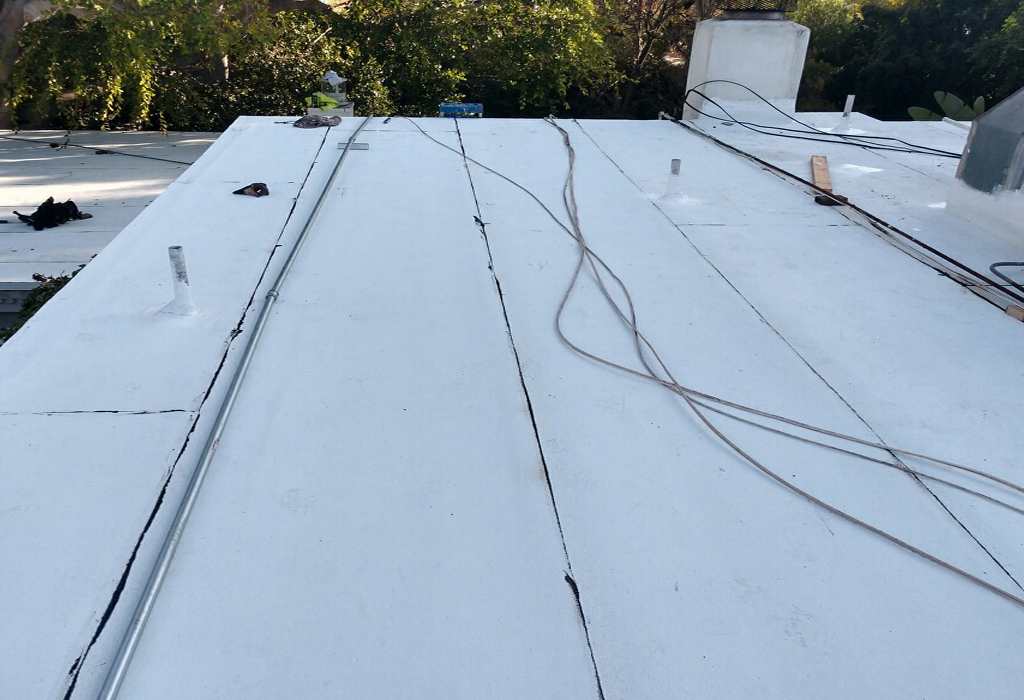
Flat roofing is not the same as steep roofing, even if the problem looks similar from inside the home. A low-slope roof is a system designed to manage water more slowly and more deliberately than a pitched roof.
Flat roofs are low-slope systems, not truly flat
Most flat roofs have a subtle pitch. That pitch guides water toward drains, scuppers, or edge drainage. The roof stays watertight through a combination of membrane integrity, sealed seams, and careful flashing work at every transition.
When those details are sound, flat roofs can perform very well. When one detail fails, water has more opportunity to spread.
The performance points that matter most on low-slope roofs
On most flat roofing systems, the highest impact areas are:
Seams and laps where materials join
Flashing transitions where the roof meets walls, edges, and parapets
Penetrations like vents, skylights, and pipes
Drainage pathways that move water off the roof
Surface integrity that resists punctures, wear, and long-term exposure
Why flat roof leaks can be hard to locate
A ceiling stain is often a symptom, not a map. Water can enter at an edge, travel along the slope direction, and appear indoors in a different room or several feet away.
Why guessing leads to repeat leaks
Many repeat leak situations happen because repairs were based on the interior stain instead of the exterior entry point. A lasting fix starts with locating the true pathway, then restoring the surrounding detail so the same weakness does not reopen.
Mount Wilson Conditions That Influence Flat Roof Performance
We do not make claims we cannot verify about any specific property. But we can speak to the patterns that often matter in Mount Wilson and similar mountain-adjacent settings. These conditions can influence how fast problems show up and which details need extra attention.
Wind exposure and debris risk
Wind can move debris onto a roof surface and can drive rain at angles that test flashing and terminations. Debris can also block drains or scuppers, which increases the chance of standing water.
Practical ways debris creates roofing problems
Debris can contribute to issues in a few common ways:
A) It punctures the membrane if it lands sharply or is stepped on
B) It clogs drainage points, which causes water to linger
C) It collects in corners and against parapet walls, which holds moisture longer
Moisture, storms, and water that lingers
Flat roofs manage water differently than steep roofs. Some water may remain briefly after a storm, but chronic standing water is a signal that drainage is not functioning as intended.
What chronic ponding can do over time
Standing water can:
Increase stress on seams and laps
Accelerate wear in low areas
Increase the odds that water finds a weak transition
Reveal underlying slope or compression issues
Temperature shifts and material movement
Low-slope materials expand and contract. Over time, that movement can stress seams, penetrations, and flashing transitions. A good flat roof plan accounts for this reality through correct detailing and compatible materials.
The areas most affected by movement
Movement shows up first at:
Seams and terminations
Penetration flashings
Roof to wall transitions
Edge metal and perimeter details
Common Flat Roof Problems We Fix in Mount Wilson
Flat roofs tend to fail in recognizable patterns. When you identify the pattern, you can choose the right level of repair or replacement with more confidence.
Leaks tied to seams, penetrations, and transitions
Most flat roof leaks begin at the roof’s most complex points, not in the open field of the roof.
Common leak entry points include:
Seams where membrane sections join
Flashing transitions at walls, parapets, and edges
Penetrations such as vents, skylights, and pipes
Prior repair areas where prep or compatibility was poor
Signs a leak is likely coming from a transition detail
These clues often point toward flashing or penetration issues:
Leaks that show up during wind-driven rain
Staining near skylights or wall intersections
Drips that appear only during heavier storms
Leaks that return after multiple patch attempts
Ponding water and slow drainage
Ponding water is standing water that remains on the roof longer than it should after rainfall. Occasional short-lived puddles can happen, but recurring ponding in the same area should be evaluated.
Common causes include:
Clogged drains, scuppers, or outlets
Low spots caused by settling or compression
Debris buildup that blocks flow
Drainage layout that no longer matches roof behavior
What we look for when ponding is part of the issue
We focus on:
Where water sits and how long it stays
Whether drainage points are functioning and accessible
Whether low areas are structural, compressive, or surface-related
How ponding is affecting seams and transitions nearby
Surface wear, punctures, and aging patchwork
Over time, some flat roofs accumulate layers of patching. The problem is that not all patch materials age the same way, and not all products are compatible with all membranes.
Common patchwork issues we see:
Cracking patches that lift at the edges
Sealant applied over dust, moisture, or movement joints
Incompatible materials stacked over time
Repaired areas that fail again after the next storm
Why compatibility matters on flat roof repairs
A repair needs to bond to the existing system and move with it. When repairs are incompatible, they can separate early and create new entry points.
Flat Roofing Services We Provide for Mount Wilson Properties
Our flat roofing work focuses on practical solutions. Stop leaks, restore reliable performance, and help you make decisions you can feel confident about.
Flat roof inspection and clear evaluation
A proper flat roof inspection looks at the whole system, not just the obvious interior symptom. We evaluate the surface, seams, flashing details, penetrations, drainage behavior, and signs of repeated failure.
What a thorough flat roof inspection typically covers
We typically assess:
Surface condition and wear patterns
Seams and laps for separation or weakness
Flashing at edges, walls, and parapets
Penetrations such as vents, skylights, and pipes
Drainage pathways and evidence of ponding
Prior repairs and whether they are compatible and holding
Flat roof repair
Repairs can be the best value when the roof system is generally stable and the issue is localized. The key is not just sealing a spot. The key is addressing the entry point and reinforcing the surrounding detail.
What makes a repair more likely to last
A lasting repair usually includes:
Locating the true entry point
Preparing the surface correctly
Using system-compatible materials
Reinforcing transitions and vulnerable edges
Confirming drainage behavior is not creating repeat stress
Flat roof restoration
Restoration can be a smart choice when the underlying roof qualifies. Restoration is not a shortcut for a failing roof. It works when the system is stable, repairs can be completed properly first, and moisture is not trapped below the surface.
How we decide if restoration is appropriate
We look for:
A stable roof assembly with manageable repairs
Repairable seams and flashing transitions
Compatibility with the existing roof surface
Ponding conditions that are minor and correctable
Flat roof replacement
Replacement becomes the responsible recommendation when the system shows widespread failure, recurring leaks, or conditions suggesting the roof is no longer reliably watertight.
What replacement planning should address on low-slope roofs
A responsible replacement scope should include:
Clear preparation or tear-off planning based on roof conditions
Drainage strategy and ponding considerations
Rebuilt flashing at edges, walls, and parapets
Penetration detailing that is rebuilt, not just sealed over
Material selection based on roof layout and goals
Warranty clarity and workmanship expectations
Flat Roof Material Options and How We Help You Choose
There is no universal best flat roofing material. The right option depends on your roof layout, slope, drainage, sun exposure, existing materials, and what you are trying to achieve.
Single-ply membranes such as TPO, PVC, and EPDM
Single-ply systems create a continuous waterproof layer designed for low-slope performance. They can be durable and consistent when installed correctly and detailed carefully at seams and transitions.
What we focus on for single-ply performance
We pay close attention to:
Seam integrity and reinforcement approach
Edge terminations and wall transitions
Penetration flashing and compatible boots
Drainage patterns and any recurring ponding areas
Surface preparation when completing repairs
Modified bitumen and layered low-slope systems
Modified bitumen is a layered, asphalt-based approach widely used on low-slope roofs. It can be a practical solution when the roof layout and detailing are done correctly.
Where modified bitumen can be a good fit
This approach may make sense when:
Your roof design benefits from a layered system
You want a robust surface with proven low-slope use
Transitions and perimeter details can be integrated cleanly
Drainage and slope conditions are compatible with the plan
Coatings and restoration systems
Coatings can be valuable when the roof qualifies for restoration. They are not designed to fix a failing roof assembly. They can extend service life when the underlying system is stable and properly repaired first.
How we determine whether a roof qualifies for coating
We evaluate:
Whether moisture is trapped beneath the surface
Whether seams and flashing can be repaired properly first
Whether ponding is minor and manageable or severe and chronic
Whether the existing surface is stable and compatible
If you want a deeper look at the types of low-slope systems we work with and how we approach them, you can review our flat roof service solutions as a helpful reference point.
Repair vs Replacement Guidance You Can Actually Use
Most homeowners do not want a full replacement unless it is truly needed. We agree with that. The best decision matches the roof’s actual condition and your goals.
When repair is often the right call
Repairs tend to make sense when the issue is localized and the overall system is stable.
Common repair-friendly situations include:
A seam opening in one area
A flashing issue at a wall or edge transition
A penetration leak at a vent, pipe, or skylight
A puncture caused by debris
Ponding tied to a correctable obstruction
A simple repair quality checklist
When evaluating a repair plan, look for these basics:
A) Clear identification of the entry point
B) Proper surface preparation
C) System-compatible materials
D) Reinforcement of the surrounding detail area
E) Attention to drainage and transitions
When replacement becomes the responsible option
Replacement is more likely when the roof shows systemic issues that repairs cannot reliably solve.
Common replacement signals include:
Recurring leaks across multiple zones
Widespread seam fatigue or membrane deterioration
Large areas of blistering, cracking, or surface breakdown
Conditions suggesting trapped moisture below the surface
A long history of patchwork that no longer holds
How we keep replacement recommendations grounded
If replacement is recommended, we explain:
What failure patterns we are seeing
Why repair or restoration is unlikely to be reliable
What the replacement scope should address to fix root causes
What options exist for system type and detailing
Our No-Pressure Process for Flat Roofing in Mount Wilson
Roofing decisions are easier when you know what to expect. Our process is designed to feel organized, calm, and transparent.
Step 1, inspection that looks at the whole system
We evaluate the surface, seams, flashing transitions, penetrations, drainage behavior, and prior repair areas.
What you should understand after the inspection
You should know:
The most likely cause of the issue
Whether repair, restoration, or replacement is most reasonable
What is urgent and what can be planned
What the scope of work includes and why it matters
Step 2, options explained in plain language
If multiple paths are realistic, we explain them clearly. We do not rely on jargon or pressure.
How we keep the recommendation honest
Our standard is simple:
If repair is enough, we will say so
If restoration will not perform on your roof, we will not recommend it
If replacement is truly needed, we will explain why with clear reasoning
Step 3, workday expectations that respect your home
Flat roofing work should feel controlled and professional, not chaotic. We plan staging, protect surrounding areas, and prioritize the details that make low-slope systems reliable.
What we prioritize on flat roof projects
We focus on:
Safe staging and careful material handling
Detail-first execution at transitions and penetrations
Clean work habits throughout the job
Cleanup practices that respect your property
Step 4, walkthrough and practical next steps
When the work is complete, we walk through what was done and what to watch for moving forward.
What we make sure you are clear about at the end
You should understand:
What was repaired or replaced and how it was sealed
Where drainage points are and how to keep them clear
What warning signs to watch for
What warranty coverage applies and what maintenance helps
What Your Flat Roofing Quote Should Include
A good flat roofing quote should be specific. Vague scopes make it difficult to compare bids and often lead to surprises later.
The essentials that should be clearly spelled out
A strong quote typically includes:
The roof areas included in the scope
The repair or system approach and why it is being used
How seams, edges, and terminations will be handled
How penetrations will be detailed
Drainage and ponding considerations
Preparation steps that support long-term performance
Cleanup and disposal expectations
Warranty details and limitations
A quick way to compare two quotes fairly
Use this simple three-step method:
Confirm the same areas are included
Compare the handling of seams, flashing, and penetrations
Evaluate clarity, preparation steps, and warranty language
If you want a clean starting point with clear scope, you can request a free quote and we will guide you through the next steps without pressure.
Maintenance Habits That Help Flat Roofs Last Longer
Most flat roof emergencies start as small issues. A few practical habits can reduce the chance of sudden leaks and interior damage.
Simple steps that make a difference
These habits can help many Mount Wilson property owners:
Check drains and scuppers after storms when it is safe
Clear heavy debris that could block drainage
Watch for new interior stains, bubbling paint, or musty odors
Limit unnecessary foot traffic on the roof surface
Schedule an inspection if ponding is recurring in the same location
Common mistakes to avoid
A) Re-sealing the same area repeatedly without correcting the underlying detail
B) Ignoring chronic ponding because it has always happened
C) Stacking incompatible patch materials over time
D) Assuming the ceiling stain is the entry point
E) Walking the roof in wet or windy conditions
Clear Answers to Common Flat Roofing Questions
This section is written to answer the questions people search most often when they need flat roofing help in Mount Wilson.
How do I know if my flat roof needs repair or replacement
If the issue is localized and the roof system is otherwise stable, repair is often appropriate. If leaks are recurring in multiple areas, seams are failing broadly, or the roof shows signs of systemic wear, replacement may be more responsible. The most reliable way to decide is a full inspection that evaluates seams, flashing, penetrations, and drainage behavior.
A helpful rule of thumb
If you are fixing the same problem repeatedly, the roof may be telling you the system needs a broader solution, not another patch.
What causes most flat roof leaks
Most flat roof leaks begin at seams, flashing transitions, perimeter edges, or penetrations such as vents and skylights. Drainage issues that lead to standing water can increase wear and expose weak points faster.
Why the surface can look fine while details fail
A flat roof can appear normal from a distance while seams or terminations are weakening. That is why detail inspection matters so much.
What is ponding water and is it always a problem
Ponding water is standing water that remains on a roof longer than it should after rain. Occasional short-lived puddles may not indicate failure, but recurring standing water in the same location can accelerate wear and increase leak risk. If ponding is chronic, it is worth evaluating drainage and slope conditions.
The key question to ask about ponding
Is the water consistently returning to the same area and lingering. If yes, it deserves attention.
Are roof coatings a good alternative to replacement
They can be, when the roof qualifies. A coating-based restoration can extend roof life if the underlying system is stable, repairs can be completed properly first, and moisture is not trapped beneath the surface. Coatings are not the right solution for a roof with widespread failure or significant trapped moisture.
What makes a roof a good candidate for coating
Stable surface, repairable seams and flashing, manageable ponding conditions, and compatibility with the existing roof system.
How long does a flat roof last
Lifespan varies based on material type, installation quality, drainage performance, sun exposure, and maintenance. A roof that drains well and receives timely repairs at seams and flashing typically lasts longer than a roof with chronic ponding and repeated patchwork.
The biggest factors that shorten lifespan
Chronic standing water, neglected transitions, incompatible repairs, and unaddressed penetration issues are some of the most common accelerators.
What should I do if I notice a leak during a storm
Protect the interior first by moving valuables and placing a container if needed. Avoid climbing onto the roof in unsafe conditions. Note when the leak occurs, where it appears, and whether roof features like skylights or vents are nearby. That information helps speed up diagnosis once an inspection can be safely performed.
The most helpful details to share
When it leaks, light rain or heavy rain
Whether wind is involved
Where you see the interior signs
Whether this has happened before
Whether you have noticed ponding after rain
A Clear Next Step for Your Mount Wilson Flat Roof
If your flat roof is leaking, holding water, or showing signs of wear, the best next step is a professional evaluation focused on the details that decide performance. Seams, flashing, penetrations, and drainage behavior matter more than quick surface patches.
Smile Roofing is here to help you move from uncertainty to a clear plan. We will inspect carefully, explain your options, and recommend the most reasonable path forward for your Mount Wilson property so you can protect your home with confidence and without pressure.



Contact Form