

Roof Inspection Magnolia Park, CA
Call For FREE Inspection
No Pressure & No Obligation
Get A Full Detailed Roofing Report & Quote!
-
Inquiry Form
Call us directly or complete the form to assess your roofing needs
-
Project Quote
Receive a full complimentary detailed report within 48 hours!
-
Smart Assessment
Quick and Free site assessment
-
Smile Roofing Done
From start to finish trust our experts to provide top-quality roofing services
Step 1
Submit Your Info
Help us understand your roofing needs.
Step 2
Sit Back and Smile
We’ll generate your customized roof report within hours. Leave it to us.
Step 3
Your Quote Is Ready
It’s that easy! Your full roof quote delivered within 48 hours.
Step 1
Inquiry Form
Call us directly or complete the form to assess your roofing needs
Step 2
Project Quote
Receive a full complimentary detailed report within 48 hours!
Step 3
Smart Assessment
Quick and Free site assessment
Step 4
Smile Roofing Done
From start to finish trust our experts to provide top-quality roofing services
Our Mission:
Professional Services Always Provided With A Smile
Trusted Roof Inspection in Magnolia Park, CA
When something about your roof does not look or feel right, the hardest part is often not knowing what the problem actually means. A ceiling stain may point to a leak, but it does not automatically reveal where water is entering. A cracked tile may be isolated damage, or it may be one visible sign of a broader issue. An older roof may still have useful service life, while a newer roof can develop problems around flashing, vents, skylights, or other penetrations.
Smile Roofing provides roof inspection services for property owners in Magnolia Park, the Burbank neighborhood centered around areas such as Magnolia Boulevard and Hollywood Way. Our goal is to help you understand the condition of your roof before you make a major decision about repair, maintenance, or replacement.
We approach inspections with clarity rather than pressure. That means looking at the visible condition of the roofing system, identifying areas that deserve attention, explaining what we find in understandable language, and helping you determine what may need to happen next.
A roof inspection should give you useful information. It should not leave you feeling pushed toward a solution before the condition of the roof is understood.
Know What Is Happening With Your Roof Before Making a Big Decision
Roof problems are not always as simple as they appear from the ground or from inside the home. Water can travel before it becomes visible indoors. Flashing can fail while surrounding roofing material remains in relatively good condition. Drainage issues can affect flat and low-slope roofs even when there is no obvious missing material.
An inspection helps replace assumptions with observations.
For Magnolia Park property owners, that can be especially useful when the roof has reached an age where routine wear is becoming more noticeable, after visible damage appears, before new work is added to the property, or when a leak has started but its source is unclear.
A Roof Problem Does Not Automatically Mean You Need a New Roof
One of the most important things to understand about a roof inspection is that an inspection is not the same thing as a replacement recommendation.
Depending on the roof condition, the appropriate next step may be:
Monitoring an area that does not currently require corrective work.
Completing routine maintenance.
Repairing a localized problem.
Investigating a concealed condition further.
Planning for eventual roof replacement.
Addressing a more significant roofing issue if the inspection shows that repair alone is not practical.
A responsible inspection should help separate urgent concerns from conditions that can be managed over time.
That distinction matters because homeowners often begin searching for a roof inspection when they are worried that a single problem will automatically lead to a major project. In many situations, the real value of an inspection is understanding the scope of the issue before deciding what to do.
Clear Findings Help You Plan the Right Next Step
A useful roof inspection should help answer several practical questions.
What was observed?
Where is the concern located?
Does it appear isolated or widespread?
Does it require immediate attention?
Can the condition be monitored?
Is maintenance likely to help?
Would a repair be appropriate?
Does the roof need additional evaluation?
Is replacement something to plan for now or later?
Those answers make it easier to budget, prioritize work, and avoid making a decision based only on the most visible symptom.
What Does a Roof Inspection in Magnolia Park Include?
A roof inspection generally focuses on the visible condition of the roofing system and accessible components that can affect how the roof performs. The exact scope depends on the roof type, access conditions, property layout, and the concern that prompted the inspection.
At Smile Roofing, the process is designed to gather enough useful information to explain the roof condition clearly and discuss reasonable next steps.
Roofing Materials and Surface Condition
The roof surface often provides the first set of clues about wear, damage, drainage, and previous repairs.
Different roofing systems behave differently, so the inspection approach should reflect the materials on the property.
Asphalt Shingles
On a shingle roof, visible conditions may include missing or displaced shingles, lifted edges, surface wear, granule loss, exposed areas, or sections that appear to be aging differently from the rest of the roof.
A missing shingle may be a straightforward localized concern, while widespread wear may indicate that the overall condition needs closer consideration.
The goal is not simply to count damaged shingles. It is to understand what the visible condition suggests about the roof as a whole.
Tile Roofing
Tile roofs require a different inspection mindset.
Cracked, broken, or shifted tiles can create vulnerable areas, but the tiles themselves are only part of the roofing system. Underlying components and transitions also matter.
An inspection may look for visible signs such as displaced tiles, fractured tiles, gaps, previous patching, or problem areas near valleys and penetrations.
Because tile can be damaged by improper walking, access conditions also need to be considered carefully during the inspection process.
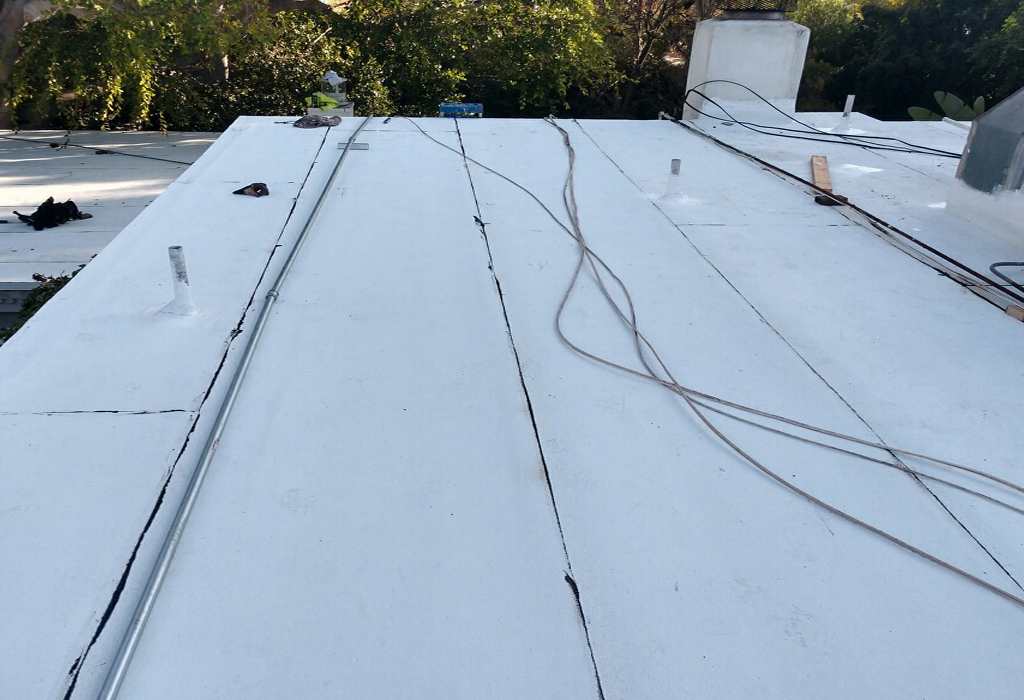
Flat and Low-Slope Roofing
Flat and low-slope roofs often require close attention to water movement.
Visible concerns may include surface wear, seam conditions, ponding water, drainage limitations, previous patching, penetrations, and areas where water may remain longer than intended.
A roof does not need to have a dramatic visible opening to develop moisture problems. Small issues around drainage points, transitions, or penetrations can be significant depending on their location and condition.
Flashing, Valleys, and Roof Penetrations
Many roof leaks develop around places where roofing surfaces change direction or meet another component.
These areas may include:
Flashing around chimneys
Skylight edges
Plumbing vents
Mechanical penetrations
Roof to wall transitions
Valleys
Roof edges
Previous repair locations
Flashing is intended to help direct water away from vulnerable transitions. When flashing becomes loose, damaged, improperly sealed, or deteriorated, water may enter even when the surrounding roofing material appears intact.
This is one reason a leak should not be diagnosed only by looking at the spot where water becomes visible inside the property.
Gutters, Drains, and Water Movement
Water management is a major part of roof performance.
Depending on the roofing system, an inspection may consider gutters, drains, scuppers, roof edges, and visible areas where water appears to collect.
Debris, restricted drainage, poor water movement, or ponding can place additional stress on a roofing system over time.
A flat roof with standing water requires a different type of evaluation than a pitched shingle roof with a missing shingle. Understanding how water moves across the roof helps place visible damage into context.
Visible Signs of Moisture or Interior Leakage
Sometimes the reason for an inspection starts inside the property.
Common warning signs include:
Ceiling stains
Discolored drywall
Moisture around skylights
Water near vents or exterior walls
Recurring stains after rain
Damp areas that appear without an obvious plumbing source
Interior symptoms can provide valuable clues, but they do not always identify the entry point.
Water may travel along framing, under roofing materials, or around structural components before it becomes visible below.
A roofing inspection can help narrow down likely causes, although concealed conditions may sometimes require further investigation.
When Should Magnolia Park Property Owners Schedule a Roof Inspection?
There is no single situation in which every roof must be inspected. The right time depends on what you are seeing, what work you are planning, and the age or known history of the roof.
Some inspection triggers are more common than others.
After You Notice a Leak or Water Stain
If water is entering the property, an inspection can help determine whether the likely source is the roofing material, flashing, a penetration, drainage, or another accessible roofing component.
The location of an interior stain should be treated as a clue, not a guaranteed map of where the water entered.
Getting the area evaluated can help determine whether the problem appears localized or whether additional sections of the roof deserve attention.
After Strong Wind or Heavy Rain
Wind and rain can expose conditions that were already developing or create new visible damage.
After weather that has affected the property, you may notice displaced materials, debris, damaged flashing, new staining, or unusual water movement.
An inspection can help determine whether anything visible requires attention without assuming that every weather event has caused serious damage.
When the Roof Is Getting Older
Age alone does not determine whether a roof needs replacement.
Roofing systems age differently based on material, installation, exposure, maintenance, drainage, previous repairs, and other conditions.
An inspection of an aging roof can help you understand what is actually happening rather than making a decision based only on a calendar.
This can be particularly useful when you are beginning to budget for future work but are unsure how soon that work may be needed.
Before Installing Solar Panels
Installing solar equipment is a significant property investment, so understanding the roof condition beforehand can help avoid unnecessary complications later.
If the roof is approaching a point where substantial work may be needed, it is useful to know that before new equipment is installed over it.
A roof inspection can help identify visible issues that should be considered as part of solar planning.
Before Buying, Selling, or Renovating a Property
Roof condition can influence decisions during a property purchase, sale, or renovation.
A roofing contractor’s inspection can provide roofing specific observations that may help clarify visible conditions or areas that deserve further evaluation.
It is important, however, to understand what type of inspection you are requesting. A roofing contractor’s assessment is not automatically the same as a general home inspection, engineering evaluation, insurance inspection, or formal roof certification.
What Common Roof Problems Can an Inspection Reveal?
Roof inspections are useful because many roofing issues develop gradually.
Some are obvious from the ground. Others become noticeable only after water enters the structure or roofing materials begin to shift.
Damaged or Missing Roofing Materials
Shingles, tiles, and flat roofing materials can all develop visible damage.
An inspection may identify conditions such as:
Missing shingles
Lifted materials
Cracked or broken tiles
Shifted tiles
Surface deterioration
Worn sections
Previous patches
Areas with unusual aging
The significance of those conditions depends on location, extent, roof type, and surrounding components.
Flashing and Sealant Problems
Flashing and sealant are often found around some of the most vulnerable parts of a roof.
Problems in these areas can sometimes create leaks even when the main roof surface appears relatively sound.
An inspection may identify visible deterioration, separation, loose components, damaged transitions, or areas where previous sealing work has aged.
Drainage and Ponding Issues
Water that does not move off the roof properly can create additional concerns.
On a flat or low-slope roof, ponding deserves attention because prolonged water exposure can affect roofing materials and vulnerable seams or penetrations.
On pitched roofs, gutter or drainage issues may contribute to water collecting where it should not.
The inspection should consider how the visible drainage condition relates to the rest of the roof.
Problems Around Skylights, Vents, and Other Penetrations
Any opening through the roof creates a transition that must be properly integrated with the roofing system.
Skylights, vents, pipes, and mechanical penetrations may all become potential leak points if surrounding flashing or sealing materials deteriorate.
These components deserve specific attention when there is staining nearby or when the roof is already showing signs of age.
Signs of Previous Repairs or Recurring Leaks
Old repair areas can provide valuable information.
A previous patch may still be performing correctly, or it may indicate a location that has caused recurring problems.
When an area has been repaired multiple times, understanding the surrounding condition becomes especially important.
Why Magnolia Park Roofs Benefit From Condition Based Evaluation
Magnolia Park is part of Burbank, and properties throughout the neighborhood can have different roof types, renovation histories, additions, solar installations, drainage layouts, and maintenance needs.
That variety makes broad assumptions unreliable.
A home with tile roofing may require attention to completely different conditions than a nearby property with asphalt shingles. A flat roof section over an addition may behave differently from the main pitched roof. A property with skylights or several roof penetrations presents different inspection points than one with a simpler roof design.
The right question is not simply, “How old is the roof?”
The better question is, “What condition is this roof in now?”
That condition based approach helps property owners make decisions that reflect what is actually visible rather than what might be assumed from age, appearance from the street, or a single leak.
How Smile Roofing Approaches Roof Inspections
Our inspection process begins with the reason you contacted us.
A homeowner who noticed a ceiling stain has a different concern from someone preparing for solar installation. A property owner with a broken tile needs a different type of discussion from someone trying to understand whether an aging flat roof still has usable life.
Starting with your concern helps give the inspection context.
We Start With What You Have Already Noticed
Before looking at potential solutions, it helps to understand what prompted the call.
That may include:
A visible leak
A ceiling stain
Broken roofing material
A roof that appears worn
Drainage concerns
Recent weather exposure
Solar installation plans
A property purchase or sale
Questions about repair versus replacement
This conversation helps focus attention on the areas most relevant to your situation.
We Review the Roof and Accessible Components
The inspection may include visible roofing materials, flashing, penetrations, drainage points, roof edges, previous repairs, and other accessible components relevant to the concern.
Not every roof allows the same degree of access, so inspection conditions can vary.
The goal is to gather enough reliable information to explain what is visible and what it may mean.
We Use Satellite Roof Data When It Adds Useful Information
Smile Roofing also uses satellite based roof reporting technology to support measurements and estimate preparation.
Depending on the property, this technology can help capture information related to roof dimensions, slopes, angles, edges, and overall roof geometry.
Satellite data can improve efficiency and provide useful measurement information, but it does not replace every onsite assessment.
Physical inspection remains important when the concern involves roofing material condition, flashing, moisture symptoms, penetrations, localized damage, or other details that remote measurements cannot fully evaluate.
We Explain What We Find in Plain Language
Roofing terminology should not make the decision harder.
After an inspection, the most useful conversation is often about what was found and how much it matters.
We aim to explain:
What appears to be happening
Which areas deserve attention
Whether the concern looks isolated or more extensive
Whether maintenance may help
Whether repair may be appropriate
Whether additional investigation is needed
Whether replacement planning makes sense
If the findings point toward additional work, you can explore our broader roofing services to understand the types of solutions Smile Roofing provides.
What Happens After a Roof Inspection?
The next step depends entirely on what the inspection shows.
Not every inspection leads to work, and not every problem requires the same response.
Nothing May Need Immediate Attention
Sometimes the most useful result of an inspection is learning that an area can continue to be monitored.
A roof may show normal aging without presenting an immediate repair need.
Knowing that can give you time to plan rather than react.
Maintenance May Be Enough
Some conditions can be addressed through maintenance rather than significant corrective work.
The appropriate approach depends on the roof type and the condition identified.
Maintenance can sometimes help address small vulnerabilities before they develop into more disruptive problems.
A Localized Roof Repair May Solve the Problem
When damage is limited to a specific area, repair may be a reasonable option.
The decision depends on factors such as the surrounding roof condition, material availability, age, previous repairs, and whether the underlying issue can be addressed effectively.
A good inspection should help determine whether repair makes sense instead of treating replacement as the automatic answer.
Some Roofs May Need Replacement Planning
There are situations where the roof condition makes replacement worth considering.
That may involve widespread wear, repeated failures, extensive damage, or a roofing system that is no longer performing reliably.
When replacement becomes the practical option, an inspection gives you a clearer starting point for planning rather than forcing you to make that decision based on guesswork.
Property owners who want to see the type of work Smile Roofing handles can review our recent roofing projects for additional insight into our broader roofing capabilities.
Roof Inspection Versus Other Property Evaluations
The phrase “roof inspection” can mean different things depending on who is performing it and why it is being requested.
Understanding the distinction helps prevent confusion.
Roofing Contractor Inspection Versus General Home Inspection
A roofing contractor inspection focuses specifically on roofing related conditions.
A general home inspector evaluates many parts of a property and may identify roofing concerns as part of a broader home inspection.
If a general inspection identifies a potential roof issue, a roofing contractor may then be asked to evaluate that issue in greater detail from a roofing perspective.
Roof Inspection Versus Roof Certification
A roof inspection does not automatically result in a roof certification.
A certification may involve specific requirements, documentation, or representations depending on the purpose for which it is requested.
If you need a particular certification for a real estate transaction, lender, insurer, or other party, that requirement should be discussed clearly before the service is scheduled.
When Another Specialist May Be Needed
A roofing contractor can evaluate visible roofing conditions, but some situations may fall outside the scope of a standard roofing inspection.
Depending on the issue, further evaluation may be appropriate from:
A structural engineer
An insurance professional
A general home inspector
A mold or moisture specialist
Another licensed trade professional
Recognizing those limits is part of giving property owners accurate information.
Why Property Owners Choose Smile Roofing for Clear Roof Guidance
Roofing decisions can become expensive and stressful quickly when the cause of a problem is not understood.
Smile Roofing’s approach is built around making the process easier to follow.
We provide free roof inspections and emphasize a no obligation, low pressure experience. Our team works with multiple roofing systems, including shingle, tile, flat, and low-slope roofs, and we use satellite reporting technology when it supports accurate measurements and efficient estimate preparation.
We are also a licensed California roofing contractor, and we focus on clear communication throughout the inspection and decision process.
The objective is simple: help you understand what your roof needs before you decide what to do next.
Questions Magnolia Park Property Owners Ask About Roof Inspections
Is a roof inspection in Magnolia Park free?
Smile Roofing offers free roof inspections. The purpose is to assess visible roofing concerns, discuss what is found, and help you understand possible next steps without creating unnecessary pressure.
The exact inspection process can vary depending on roof access, property conditions, and the concern being evaluated.
Does a roof inspection mean I need a roof replacement?
No. A roof inspection does not automatically mean the roof needs to be replaced.
Possible outcomes can include monitoring, maintenance, localized repair, additional investigation, or replacement planning.
The appropriate recommendation depends on what the inspection actually shows.
Can you inspect tile, shingle, and flat roofs?
Yes. Smile Roofing works with multiple roofing systems, including tile, asphalt shingle, flat, and low-slope roofing.
Each system requires attention to different components and visible conditions, so the inspection should reflect the design and material of the roof being evaluated.
Can satellite roof measurements replace an onsite inspection?
Not in every situation.
Satellite reporting can provide useful roof measurements, geometry, slopes, angles, and edge information. It can support planning and estimate preparation.
However, it cannot fully replace physical evaluation when the concern involves material condition, leaks, flashing, penetrations, drainage, or other details that require onsite observation.
Should I have my roof inspected before installing solar panels?
It is often useful to understand the roof condition before installing solar equipment.
If the roof may need significant work in the near future, identifying that condition before panels are installed can help you make better decisions about the order of work.
An inspection can help reveal visible issues that should be considered as part of solar planning.
Can a roof inspection tell where a leak is coming from?
A roof inspection can often help identify likely leak sources, especially when visible conditions exist around roofing materials, flashing, penetrations, skylights, valleys, or drainage areas.
However, water can travel before appearing inside a property, and concealed conditions are not always visible during a standard inspection.
Some leaks may require additional investigation.
What happens if the inspection finds damage?
The next step depends on the type and extent of damage.
A small isolated issue may be suitable for repair. Maintenance may address other conditions. More extensive problems may require additional evaluation or replacement planning.
The goal is to match the response to the condition instead of applying the same solution to every roof.
Is a roofing inspection the same as a home inspection?
No.
A roofing contractor inspection focuses on the roof and related accessible components. A general home inspection covers many systems throughout a property.
Both may be useful, but they serve different purposes.
How do I know whether a roof repair is enough?
That depends on more than the visible damaged area.
A repair decision may consider the age and condition of surrounding materials, whether the underlying cause can be corrected, the history of previous repairs, material compatibility, and whether the issue is localized or widespread.
A roof inspection helps provide the information needed to make that decision more carefully.
Should I schedule an inspection even if the roof is not leaking?
You can.
A roof does not need to be actively leaking for an inspection to be useful.
Property owners may request inspections because a roof is aging, they noticed damaged materials, they are planning solar installation, they are preparing for renovation, or they simply want a better understanding of the roof condition.
Get Clear Answers About Your Magnolia Park Roof
You do not need to know whether your roof needs maintenance, repair, or replacement before calling a roofer. Determining that is part of the reason to schedule an inspection.
If you have noticed a leak, stain, cracked tile, missing shingle, drainage concern, or another change in your roof, Smile Roofing can help you take a closer look at what may be happening.
We serve property owners in Magnolia Park and throughout the broader Burbank area with an inspection approach built around clear information, practical guidance, and reasonable next steps.
When you are ready to understand the condition of your roof, you can contact Smile Roofing to request an inspection and start with the information you need before making a bigger roofing decision.



Contact Form