

Roof Inspection Thousand Oaks, CA
Call For FREE Inspection
No Pressure & No Obligation
Get A Full Detailed Roofing Report & Quote!
-
Inquiry Form
Call us directly or complete the form to assess your roofing needs
-
Project Quote
Receive a full complimentary detailed report within 48 hours!
-
Smart Assessment
Quick and Free site assessment
-
Smile Roofing Done
From start to finish trust our experts to provide top-quality roofing services
Step 1
Submit Your Info
Help us understand your roofing needs.
Step 2
Sit Back and Smile
We’ll generate your customized roof report within hours. Leave it to us.
Step 3
Your Quote Is Ready
It’s that easy! Your full roof quote delivered within 48 hours.
Step 1
Inquiry Form
Call us directly or complete the form to assess your roofing needs
Step 2
Project Quote
Receive a full complimentary detailed report within 48 hours!
Step 3
Smart Assessment
Quick and Free site assessment
Step 4
Smile Roofing Done
From start to finish trust our experts to provide top-quality roofing services
Our Mission:
Professional Services Always Provided With A Smile
When you are not sure what is happening with your roof, the first step should be getting clear information. At Smile Roofing, we provide roof inspection services for property owners in Thousand Oaks, CA who want to understand the condition of their roof before deciding whether maintenance, repair, or replacement should be considered.
A roof inspection can help identify visible wear, damaged materials, flashing concerns, drainage issues, leak related conditions, and other signs that deserve attention. Just as importantly, an inspection can help determine when a roof may not need major work at all.
Our approach is built around straightforward communication and practical recommendations. We want you to understand what we see, why it matters, and what options may make sense for your property.
Professional Roof Inspections for Thousand Oaks Homes
A professional roof inspection is an evaluation of visible roofing materials, components, penetrations, drainage areas, and other accessible conditions that can affect the performance of a roof.
Homeowners request inspections for many different reasons. Some have noticed a leak or damaged tile. Others are preparing for solar work, evaluating an older roof, planning to sell a home, or simply trying to understand how much useful life may remain in the roofing system.
Whatever brought you to this point, the goal is the same: get a clearer picture of your roof before making a larger decision.
At Smile Roofing, we serve Thousand Oaks as part of our Southern California service area. We do not rely on generic recommendations that assume every roofing problem requires replacement. Instead, we look at the condition of the roof and discuss the next steps that fit what we find.
What Does a Roof Inspection Include?
A roof inspection typically focuses on visible roofing conditions that may affect protection, drainage, durability, or future repair needs. The exact inspection process can vary depending on the roofing material, roof design, accessibility, property type, and reason for the inspection.
During an inspection, relevant conditions may include:
Roofing material condition
Missing, cracked, loose, or displaced materials
Flashing around roof transitions and penetrations
Visible signs of water intrusion or moisture related damage
Drainage concerns
Roof penetrations and vent areas
Wear around valleys, ridges, edges, and transitions
Flat roof seams, membranes, or ponding indicators where applicable
Areas that may require maintenance, repair, or further evaluation
The purpose is not simply to find problems. It is to separate normal wear from conditions that may need attention.
Roofing Materials and Surface Conditions
The visible condition of the roof covering can tell us a great deal about how a roofing system is aging.
On tile roofs, that may include checking for cracked, slipped, broken, or displaced tiles. On asphalt shingle roofs, we may look for missing shingles, damaged edges, visible deterioration, lifting, or unusual wear. Flat and low slope roofing systems require attention to membrane surfaces, seams, penetrations, drainage, and other vulnerable areas.
Different materials show age differently, so the inspection should reflect the roof system that is actually installed.
Flashing, Roof Penetrations, and Transition Areas
Roofing problems frequently develop around areas where materials meet, change direction, or are interrupted.
That can include:
• Chimney and wall transitions
• Plumbing or mechanical penetrations
• Vent areas
• Valleys
• Roof edges
• Skylight areas where present
• Flashing around other roof features
These areas deserve careful attention because even a small weakness may allow water to move beneath the visible roofing surface.
Drainage and Water Related Concerns
A roof needs to do more than cover the building. It also needs to move water away effectively.
Inspection findings may include evidence of poor drainage, ponding on flat roofing, debris accumulation, deterioration around drainage paths, or visible signs that water is not moving as intended.
Water related concerns are especially important because the source of a leak is not always directly above the interior stain or drip. Water can sometimes travel beneath roofing materials before becoming visible inside the property.
When Should You Schedule a Roof Inspection?
You do not need to wait for active water intrusion before having your roof evaluated.
A roof inspection can be useful whenever there is a change in the roof’s condition, a major property decision, or uncertainty about whether visible wear is becoming a larger problem.
After a Roof Leak or Visible Damage
If you have seen water stains, active dripping, damaged roofing materials, or debris from the roof, an inspection can help narrow down the likely cause.
Visible symptoms may seem minor while the underlying issue is more complex, or they may turn out to be localized problems that can be addressed without replacing the entire roof.
After Strong Wind or Heavy Rain
Weather can expose weak points that were not obvious before. Loose roofing materials, compromised flashing, clogged drainage areas, and aging roof components may become more noticeable after wind or significant rain.
If something looks different after a weather event, having the roof checked can help you understand whether the change is cosmetic, maintenance related, or more serious.
When Your Roof Is Getting Older
Roof age by itself does not determine whether replacement is necessary. Materials, installation quality, maintenance history, exposure, ventilation, and previous repairs can all influence actual condition.
An inspection provides a more useful answer than relying on age alone.
Before Buying or Selling a Home
Roof condition can become an important part of a real estate decision.
Buyers may want to understand whether visible roofing concerns are likely to require near term attention. Sellers may want to identify potential issues before they become part of a transaction.
A roofing specific evaluation can provide useful context beyond a general visual review of the property.
Before Major Roofing or Solar Work
If you are planning solar installation, solar removal, reroofing, or another significant roof related project, it is useful to understand the existing roof condition first.
Aging roofing materials beneath a new solar system may create avoidable complications later. When reroofing involves an existing solar installation, additional coordination and permit requirements may also apply depending on the scope of the work.
Roof Inspections for Different Roofing Systems
Roofing materials do not fail in exactly the same way. A useful inspection should reflect the design and material characteristics of the roof being evaluated.
Tile Roof Inspections
Tile roofs are common throughout Southern California and can provide long service when properly installed and maintained. The visible tile surface, however, is only one part of the system.
During a tile roof inspection, relevant observations may include broken tiles, slipped tiles, cracked pieces, disturbed areas, flashing conditions, and visible concerns around penetrations or transitions.
What Can Be Hiding Beneath the Tile?
A tile that appears intact does not automatically tell us the condition of every component beneath it. Underlayment, flashing, fasteners, and transition details can also affect roof performance.
That is why the condition of the roof should be evaluated as a system rather than judging the roof only by how the tile looks from a distance.
Asphalt Shingle Roof Inspections
Asphalt shingles may show age through missing material, lifting, cracking, edge deterioration, granule loss, or other visible changes.
An inspection can help distinguish isolated shingle damage from broader deterioration affecting larger sections of the roof.
Why Shingle Condition Should Be Evaluated in Context
A few damaged shingles do not necessarily mean an entire roof has reached the end of its useful service. The distribution of wear, roof age, flashing condition, previous repairs, and the condition of surrounding materials all matter.
That broader view helps create a more reasonable repair or replacement discussion.
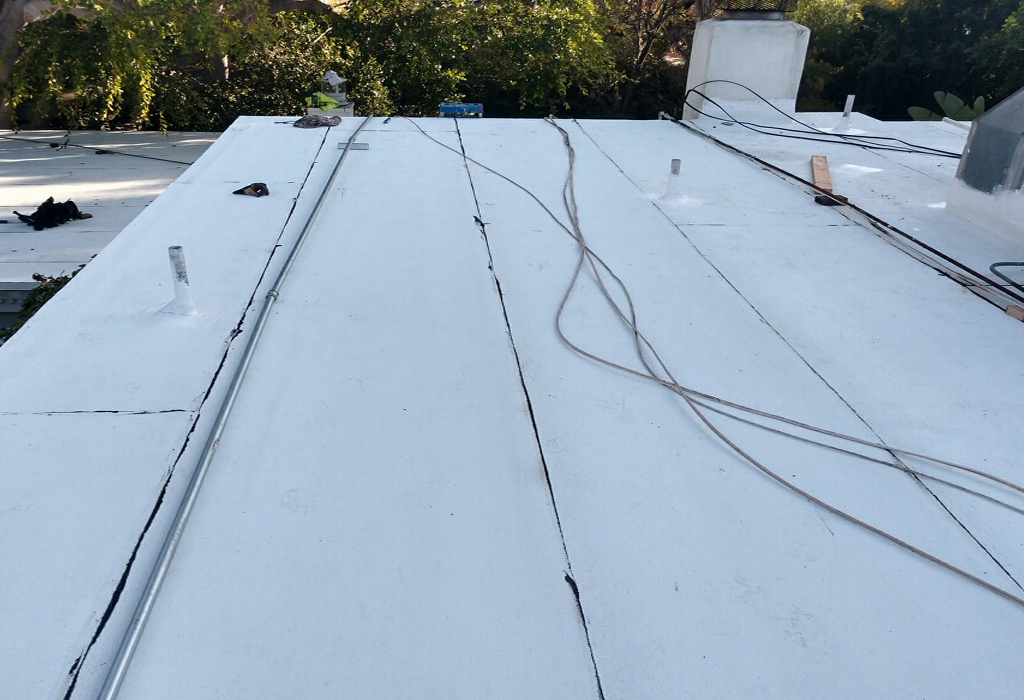
Flat and Low Slope Roof Inspections
Flat and low slope roofs require special attention to water movement.
Inspection areas may include visible membrane condition, seams, roof penetrations, drainage points, flashing, surface deterioration, and signs of water remaining on the roof longer than intended.
Ponding Water and Drainage
Some standing water may appear temporarily after rain, but persistent ponding can place additional stress on a roofing system and may point to drainage or slope related concerns.
The cause and significance depend on the roof design and surrounding conditions.
Commercial Roof Inspections
Commercial properties can include flat, low slope, metal, or other roofing assemblies.
The inspection should take the building’s roof design, drainage, penetrations, equipment, access, and maintenance history into account. Commercial property owners may also need to coordinate inspection findings with budgeting, maintenance planning, tenant needs, or larger capital projects.
Satellite Roof Measurements and On Site Roof Inspections
Smile Roofing uses satellite based roof information as part of our broader roofing process when appropriate. This technology can provide valuable roof geometry and measurement data, but it is important to understand what that information does and does not show.
What Satellite Roof Technology Can Measure
Satellite based reporting can help identify and calculate roof characteristics such as:
• Overall roof dimensions
• Roof pitch
• Ridges and hips
• Edges
• Roof sections
• Surface area
• Other geometric information that can support planning and estimating
This can improve efficiency when developing roofing information and evaluating project scope.
What Requires a Physical Roof Condition Assessment
Satellite imagery does not replace every aspect of an on site roof inspection.
Conditions That May Need Direct Observation
Physical assessment may be needed to evaluate issues such as:
• Broken or loose roofing materials
• Flashing deterioration
• Sealant condition
• Visible membrane damage
• Water intrusion indicators
• Physical wear around penetrations
• Damage that cannot be confirmed from overhead imagery
Using the right method for the right question gives homeowners a clearer understanding of the roof instead of treating technology as a substitute for direct observation.
How Measurement Data Supports Roofing Recommendations
Accurate roof geometry can help with project planning, estimating, material calculations, and understanding the overall roof layout.
When measurement information is combined with condition findings, it can support a more complete conversation about what the roof may need next.
Does a Roof Inspection Mean You Need a New Roof?
No. Scheduling a roof inspection does not automatically mean you need roof replacement.
One of the main reasons to inspect a roof is to determine the scale of the problem before deciding how to respond.
An inspection may show that the roof needs:
No immediate work
Monitoring and routine maintenance
A targeted repair
Additional evaluation
Broader replacement planning
The appropriate recommendation depends on the condition of the roofing system and the type of problem found.
When a Roof Repair May Be Enough
A repair may be reasonable when the concern is limited to a specific area and the surrounding roofing system remains serviceable.
Examples may include isolated damaged materials, limited flashing concerns, localized leak sources, or other problems that can be addressed without replacing the full roof.
When repair is appropriate, the goal should be to address the actual problem rather than expand the project unnecessarily.
When Roof Replacement May Need to Be Considered
Replacement may become part of the conversation when deterioration is widespread, the roof has multiple recurring problems, previous repairs are no longer providing a durable solution, or the roofing system has reached a condition where continued patching is no longer practical.
Even then, the discussion should start with evidence from the roof itself.
If an inspection identifies needs beyond a limited repair, our broader roofing services from Smile Roofing can help you understand the available options for the next stage of the project.
Roof Inspection Considerations in Thousand Oaks
Local roofing decisions should reflect the property, the roofing system, and current requirements that may apply to the planned work.
Thousand Oaks properties can include tile, shingle, flat, and other roof types, often combined with solar systems, older roofing components, and fire resistance considerations.
Class A Roofing and Fire Resistance
Fire resistance is an important roofing consideration in Thousand Oaks and throughout areas where wildfire exposure is part of long term property planning.
Local requirements include Class A fire rated roofing standards in applicable roofing and solar related work. The exact requirements for a specific property or project can depend on the scope of work, roofing assembly, and current building regulations.
A roof inspection can help identify the existing roofing material and condition before larger roofing changes are planned.
Roofing and Solar Panel Considerations
Solar systems can affect how future roof work is planned.
If roofing beneath an existing solar installation requires replacement or significant repair, the project may involve coordination for panel removal and reinstallation. Permit requirements can also vary depending on the work being performed.
Inspecting the roof before new solar installation can be especially helpful because it may identify aging materials that would be more difficult or expensive to address after panels are installed.
Reroofing and Permit Considerations
Reroofing projects in Thousand Oaks may require permits, and projects involving solar equipment can require additional coordination.
Permit requirements can change depending on the work, so the project scope should always be reviewed before construction begins.
A roof inspection gives you useful information before those decisions are made.
Why Thousand Oaks Property Owners Choose Smile Roofing
Roofing decisions can feel complicated when you are trying to determine whether a small problem is becoming a larger one.
Our role is to make that decision easier to understand.
A Straightforward Starting Point
Smile Roofing promotes free roof inspections as a way for property owners to begin evaluating a roofing concern without immediately committing to a larger project.
The purpose is to look at the roof, discuss the visible findings, and help you understand what may deserve attention.
Recommendations Without Unnecessary Pressure
We believe homeowners should be able to understand the condition of their roof before choosing what to do next.
That means explaining whether a concern appears localized, whether monitoring may be reasonable, or whether larger roofing work should be considered.
Experience With Multiple Roofing Systems
Because we work with tile roofs, asphalt shingles, flat roofs, residential roofing, and commercial roofing, we can evaluate findings within the context of the roofing system that is actually installed.
Different materials require different inspection considerations, repair methods, and replacement planning.
Technology Supported Roof Measurements
Our satellite reporting capabilities provide another source of useful roof information when measurements and geometry are needed.
Used together with appropriate physical evaluation, those measurements can support more accurate planning and a clearer project discussion.
Roofing Work You Can Review
Experience is more useful when you can see the kind of work a roofing company actually performs. You can explore our recent roofing projects to see examples of completed roofing work across different property types and roofing systems.
What Happens After Your Roof Inspection?
The next step depends entirely on what the inspection shows.
No Immediate Roofing Work Needed
Sometimes an inspection confirms that there is no major work to address at the moment.
You may simply need to continue monitoring the roof, maintain drainage areas, or keep an eye on a specific condition.
Knowing that can be just as valuable as finding a repair need.
Maintenance or Targeted Repair Recommended
If the issue is limited, repair may be the most practical approach.
The repair recommendation should focus on the affected area and the reason the work is being suggested.
Roof Replacement Should Be Considered
If the roof has broader deterioration, repeated failures, or widespread aging, replacement may be worth discussing.
The decision should be based on the condition of the roof, not on the fact that you requested an inspection.
Questions Thousand Oaks Homeowners Often Ask About Roof Inspections
How much does a roof inspection cost in Thousand Oaks?
Smile Roofing promotes free roof inspections, although the exact scope and availability of any inspection service can depend on the property and reason for the visit. The best approach is to contact us with basic information about your roof and what prompted the inspection request.
Does Smile Roofing offer free roof inspections?
Yes, free roof inspection service is part of Smile Roofing’s current service offering. We use the inspection to help evaluate visible roofing concerns and discuss what the roof may need next.
How long does a roof inspection take?
The time required depends on roof size, complexity, material, accessibility, and the reason for the inspection. A simple residential roof may require less time than a larger property, a complex tile system, or a roof with multiple levels and penetrations.
How often should a roof be inspected?
There is no single inspection schedule that fits every property. Roof age, roofing material, maintenance history, exposure, previous leaks, and visible changes all matter.
An inspection is especially useful when you notice damage, experience a leak, plan significant roof related work, or simply have an older roof and want a clearer understanding of its condition.
Can you inspect a tile roof?
Yes. Tile roof inspections can identify visible issues such as broken, slipped, cracked, or displaced tiles as well as concerns around flashing, penetrations, and other accessible roof components.
Because tile is only one part of the roofing assembly, the condition of the entire visible system should be considered.
Can you inspect a roof with solar panels?
A roof with solar panels can still be evaluated, although some areas may be less accessible or less visible because of the equipment.
If significant roofing work is eventually needed beneath the solar system, additional planning for panel removal and reinstallation may be required.
Can a roof inspection identify the source of a leak?
A roof inspection can help identify likely leak sources by evaluating visible roofing conditions, flashing, penetrations, drainage areas, damaged materials, and related signs.
Leak diagnosis can sometimes require additional investigation because water may travel from the point of entry before becoming visible inside.
What is the difference between a roof inspection and satellite measurement?
A roof inspection focuses on the physical condition of roofing components and visible signs of damage or deterioration.
Satellite measurement focuses primarily on roof geometry, such as dimensions, pitch, ridges, hips, edges, and roof area. Satellite information can support estimating and planning, but it does not replace all physical condition observations.
Will an inspection automatically lead to a roof replacement recommendation?
No. A roof inspection may show that no immediate work is needed, that a limited repair is appropriate, or that certain areas should simply be monitored.
Replacement should only become part of the discussion when the condition of the roof supports considering that option.
Should I have the roof inspected before buying or selling a home?
A roofing specific inspection can provide useful information during a real estate transaction, especially when the roof is older or visible concerns are present.
It can help buyers and sellers understand whether roofing issues may require near term attention.
Get Clear Answers About Your Roof in Thousand Oaks
You should not have to guess whether a roof leak needs a simple repair, whether damaged materials are becoming a larger issue, or whether an older roof is ready for replacement.
A professional roof inspection gives you a better starting point.
At Smile Roofing, we serve Thousand Oaks homeowners and property owners with a practical approach built around clear communication, appropriate inspection methods, and recommendations based on what we actually find.
If you are ready to understand what is happening with your roof, you can schedule a roof inspection with Smile Roofing and take the next step with better information.



Contact Form