

Roof Inspection West Hollywood CA
Call For FREE Inspection
No Pressure & No Obligation
Get A Full Detailed Roofing Report & Quote!
-
Inquiry Form
Call us directly or complete the form to assess your roofing needs
-
Project Quote
Receive a full complimentary detailed report within 48 hours!
-
Smart Assessment
Quick and Free site assessment
-
Smile Roofing Done
From start to finish trust our experts to provide top-quality roofing services
Step 1
Submit Your Info
Help us understand your roofing needs.
Step 2
Sit Back and Smile
We’ll generate your customized roof report within hours. Leave it to us.
Step 3
Your Quote Is Ready
It’s that easy! Your full roof quote delivered within 48 hours.
Step 1
Inquiry Form
Call us directly or complete the form to assess your roofing needs
Step 2
Project Quote
Receive a full complimentary detailed report within 48 hours!
Step 3
Smart Assessment
Quick and Free site assessment
Step 4
Smile Roofing Done
From start to finish trust our experts to provide top-quality roofing services
Our Mission:
Professional Services Always Provided With A Smile
When something about your roof does not look or feel right, the hardest part is often not knowing what the problem means. A ceiling stain may point to a small flashing issue, a drainage problem, or a more widespread roofing concern. Cracked tile, standing water, loose material, or an aging roof can raise the same question: does the property need maintenance, repair, or replacement?
Smile Roofing provides roof inspection services in West Hollywood, CA to help property owners understand visible roof conditions before making a major decision. We approach the process with clear communication, practical explanations, and no assumption that every concern requires a full roof replacement.
Our goal is simple. We want to help you understand what we can observe, what may need more investigation, and which next step makes sense for the property.
Get Clear Answers Before Deciding What Comes Next
A professional roof inspection gives you a clearer picture of the roof’s visible condition. It can help identify areas of wear, damage, drainage trouble, failed transitions, or material deterioration that may require attention.
An inspection may be useful when you have noticed a problem, but it can also support preventive planning. Property owners often request an assessment before approving repair work, budgeting for future improvements, adding rooftop equipment, or making decisions about an aging roofing system.
A Roof Inspection Helps Define the Problem
The purpose of an inspection is to gather useful information.
Depending on the roof design, access, weather conditions, and the concern being investigated, the inspection may include a review of visible roofing materials, flashing, transitions, penetrations, drainage areas, and signs of moisture related deterioration.
The findings may point toward one of several outcomes:
Continued monitoring
Preventive maintenance
A targeted roof repair
Additional investigation
Partial roofing work
Full roof replacement planning
The right answer depends on the roof’s actual condition. A responsible assessment should help separate immediate concerns from issues that can be planned for over time.
Not Every Roof Concern Requires Replacement
A leak does not automatically mean the entire roof has failed.
Some problems may be limited to a vulnerable transition, damaged flashing, a clogged drainage area, a cracked tile, an open seam, or a deteriorated penetration. Other concerns may affect a larger area or reflect widespread aging.
We focus on explaining the visible condition and the practical options available. When a focused repair may be appropriate, that should be part of the discussion. When the condition suggests a broader solution, we explain why.
What Does a Roof Inspection Include?
A roof inspection evaluates accessible and visible conditions that may affect the roof’s ability to protect the building.
The exact scope can vary by property. A single family home, condominium building, apartment property, and commercial building may have different roofing systems, access requirements, drainage features, and rooftop equipment.
Roofing Materials and Surface Conditions
The visible roofing surface is one of the first areas reviewed.
We look for conditions such as:
Cracked, displaced, or missing roofing materials
Worn or deteriorated surfaces
Open seams or laps
Areas of visible impact or weather related damage
Exposed underlayment or substrate
Blisters, splits, punctures, or surface separation
Previous repairs that may need closer review
Debris that may interfere with drainage or conceal damage
The meaning of these conditions depends on the type of roof and the extent of the issue.
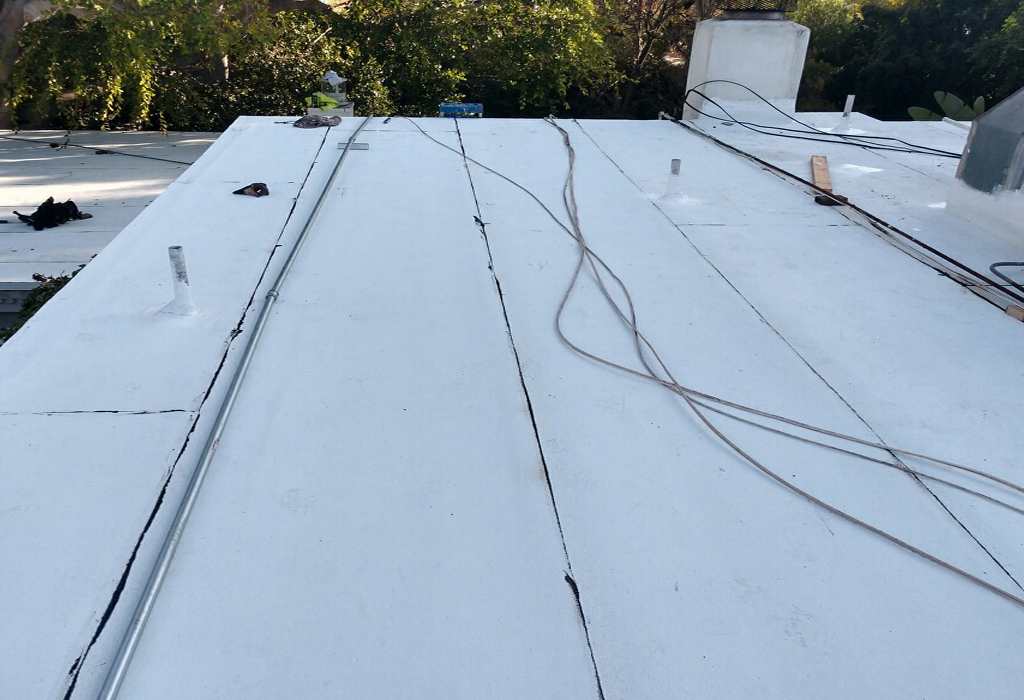
Flat and Low Slope Roof Surfaces
Flat and low slope roofs require close attention to drainage, seams, penetrations, transitions, and areas where water may collect.
Visible ponding marks, surface deterioration, separated seams, punctures, open flashing, and worn areas around equipment can all help guide the next step. A roof may appear flat, but it still depends on proper slope and drainage to move water away from vulnerable areas.
Tile and Shingle Roof Surfaces
Tile and shingle roofs have different inspection priorities.
On tile roofs, visible concerns may include cracked, slipped, missing, or displaced tiles. The condition of flashing, valleys, roof edges, and exposed areas beneath the tile may also require review.
On shingle roofs, visible concerns may include lifted, missing, cracked, curled, or worn shingles. Flashing, penetrations, edge conditions, and previous patching should also be considered.
Flashing, Transitions, and Roof Penetrations
Many roof problems begin where materials meet.
These areas may include:
Walls and roof intersections
Skylights
Vents and pipes
Chimneys
Rooftop heating and cooling equipment
Roof drains and scuppers
Parapet walls
Valleys
Roof edges
Changes in slope or material
Flashing helps direct water away from joints and openings. When it becomes loose, deteriorated, improperly sealed, or damaged, water may enter even when the main roofing surface still appears serviceable.
Drainage Areas, Gutters, and Scuppers
A roof must move water away efficiently.
During an inspection, visible drainage conditions may be reviewed for debris, blockage, staining, deterioration, standing water indicators, or other signs that water is not leaving the roof as intended.
This is especially important for flat and low slope roofs, where clogged drains or restricted scuppers can allow water to collect. Repeated ponding can place additional stress on roofing materials and may expose vulnerable seams or penetrations.
Signs That More Investigation May Be Needed
Some roof conditions cannot be fully understood through a visible exterior inspection alone.
A roof surface may show signs of a problem without revealing the exact source. Water can travel along framing, insulation, decking, or interior finishes before it becomes visible inside the property.
Additional investigation may be appropriate when:
Interior staining appears far from the suspected entry point
The roof surface does not reveal an obvious source
Moisture may be concealed beneath the roofing system
Access is limited
Multiple repairs have already been attempted
The building has complex transitions or rooftop equipment
Structural movement or deck deterioration is suspected
A roofing inspection is not the same as an engineering evaluation, laboratory test, or destructive moisture investigation. When a condition falls outside the visible roofing scope, we explain what type of next step may be needed.
When Should You Schedule a Roof Inspection in West Hollywood?
A roof inspection can be useful whenever you need reliable information about the condition of a roofing system.
Some inspections are triggered by an active concern. Others are part of responsible property maintenance and planning.
After a Leak, Ceiling Stain, or Damp Odor
Interior signs of moisture should not be ignored.
A ceiling stain, bubbling paint, damp insulation, discoloration, or an unusual odor may indicate that water has entered the building. The visible interior symptom may not appear directly below the source, so the roof and related transitions may need to be evaluated together.
An inspection can help identify visible exterior conditions that may be connected to the problem and determine whether further investigation is appropriate.
After Heavy Rain or Wind
Rain and wind can expose weaknesses that were not noticeable during dry conditions.
After a weather event, property owners may notice:
New staining
Loose or displaced roofing materials
Debris near drains or scuppers
Standing water
Damaged flashing
New dripping or moisture near windows, walls, or ceilings
Scheduling an inspection after a new symptom appears may help prevent a manageable issue from continuing unnoticed.
Before Major Rooftop Work
It is helpful to understand the condition of the roof before installing equipment or making changes that affect the roofing system.
This may include work involving:
Solar panels
Heating and cooling equipment
Skylights
Ventilation systems
Satellite equipment
Electrical or mechanical penetrations
Rooftop decks or access improvements
If the roof is already near the end of its practical service life, completing major rooftop work first may create added cost or coordination challenges later.
Before Buying, Selling, or Planning Renovations
A roofing assessment may help property owners understand visible roof conditions before a major transaction or improvement.
The inspection should not be presented as a substitute for a formal home inspection, structural evaluation, engineering report, insurance inspection, or specialized real estate certification unless those services are specifically arranged.
Its value is in helping identify visible roofing concerns that may affect maintenance planning, repair decisions, or future budgeting.
As Part of Preventive Property Maintenance
Waiting for an active leak is not the only reason to inspect a roof.
Periodic review may help identify debris, drainage trouble, damaged materials, deteriorated sealant, open transitions, or minor defects before they contribute to interior damage.
The appropriate inspection schedule depends on the roof type, age, prior repair history, surrounding conditions, and building use.
How the Smile Roofing Inspection Process Works
We aim to keep the process straightforward and easy to understand.
Step 1: Tell Us About the Property
The first step is to share the basic property information and describe what prompted the inspection.
Helpful details may include:
The property type
The roof type, if known
The visible concern
When the issue was first noticed
Whether active leaking is present
Whether interior staining or damage has appeared
Roof access limitations
Recent rooftop work
Previous repair history
This information helps us understand the concern and prepare for the appropriate type of assessment.
Step 2: Review Available Roof Information
Property details, customer supplied photographs, previous roofing information, and satellite measurements may help us understand the roof layout and prepare for the inspection.
Remote information can be useful for planning, but it does not automatically provide a complete diagnosis.
Step 3: Complete an Onsite Assessment When Needed
When physical conditions need to be evaluated, an onsite inspection may be the appropriate next step.
Direct observation may help identify visible material damage, open flashing, drainage trouble, failed transitions, deteriorated penetrations, and other conditions that cannot be confirmed from remote imagery alone.
Access and inspection scope can vary by property. Some roofs may have restricted access, safety limitations, tenant coordination requirements, or areas that cannot be viewed without specialized equipment or additional authorization.
Step 4: Review the Findings and Practical Options
After the available conditions have been reviewed, we explain what the findings may mean for the property.
The next step may involve monitoring, maintenance, repair, additional investigation, or replacement planning. Our role is to make the options understandable so you can make a decision with greater confidence.
Satellite Roof Measurements and Onsite Inspections Are Different
Satellite technology can be useful, but it should be described accurately.
A satellite roof report is primarily a measurement and planning tool. An onsite roof inspection is a condition assessment based on direct observation.
What Satellite Measurements Can Help Determine
Depending on image quality and roof visibility, satellite measurements may help estimate:
Roof area
Roof sections
Edges
Ridges
Valleys
Slopes
General roof geometry
Material quantities for planning
This information can support estimating, project preparation, and an initial understanding of the roof layout.
What Satellite Imagery Cannot Reliably Confirm
Satellite imagery cannot confirm every physical condition.
It may not reveal:
Concealed moisture
Hidden deck deterioration
The exact source of a leak
Loose attachments
Small punctures
Open seams beneath equipment
Underlayment condition
Interior water travel
Conditions hidden by debris or rooftop features
Problems that require close physical access
A remote image may show the shape of the roof, but it does not replace direct observation when diagnosis is needed.
When an Onsite Inspection Is the Better Next Step
An onsite assessment is especially important when there is active leaking, visible interior damage, suspected flashing failure, drainage trouble, damaged materials, repeated repair history, or uncertainty about the source of a problem.
The best process may combine remote measurements with onsite observations. Each tool should be used for the purpose it is designed to serve.
Roof Types We Inspect
Different roofing systems require different inspection priorities.
Smile Roofing works with a range of residential and commercial roofing needs. Property owners can also review our roofing services and system options to learn more about the broader work we provide.
Flat and Low Slope Roofs
Flat and low slope systems are common on many residential, multifamily, and commercial buildings.
Inspection priorities may include:
Drainage patterns
Ponding indicators
Membrane seams
Surface cracking or splitting
Punctures
Flashing
Roof edges
Drains and scuppers
Equipment curbs
Pipe and vent penetrations
Previous repairs
Surface deterioration
Because these roofs may contain multiple penetrations and mechanical systems, careful review of transitions is especially important.
Tile Roofs
Tile roofs can provide long service when the system beneath them remains protected and water is directed properly.
Visible inspection priorities may include:
Broken or cracked tiles
Slipped or displaced tiles
Missing tiles
Exposed underlayment
Damaged ridge or hip areas
Flashing conditions
Valley conditions
Roof edge details
Previous repairs
Walking on tile requires care because some tiles may break under concentrated weight. Access and inspection methods should be selected with the roof’s condition in mind.
Shingle Roofs
Shingle roofs may show age and weather exposure through changes in the surface.
Inspection priorities may include:
Missing shingles
Lifted edges
Cracking
Curling
Worn areas
Exposed fasteners
Flashing defects
Edge damage
Valley wear
Previous patching
The extent and location of these conditions help determine whether a focused repair may be practical or whether broader work should be considered.
Roof Inspections for West Hollywood Properties
West Hollywood includes a varied mix of homes, condominiums, apartment buildings, retail properties, offices, and other commercial spaces.
Each property type brings different access, communication, maintenance, and decision making needs.
Homes and Residential Properties
Homeowners usually want a clear answer to one central question: what does the roof need now?
We help explain visible findings in straightforward terms. That may include discussing a suspected leak, damaged roofing material, drainage concerns, roof age, previous repairs, or preparation for future work.
Apartment and Multifamily Buildings
Roof problems in a multifamily property can affect more than one unit and may require communication between owners, managers, tenants, and service providers.
Important considerations may include:
Coordinating roof access
Protecting occupied areas
Identifying which units show interior symptoms
Reviewing shared drainage systems
Evaluating rooftop equipment
Separating urgent repairs from future planning
Communicating findings clearly to ownership
An organized inspection process can help property decision makers understand the issue before approving work.
Condominiums and HOAs
Roofing decisions for condominiums and homeowner associations often involve multiple stakeholders.
Boards and property managers may need information that supports budgeting, maintenance planning, and discussion with residents. A clear explanation of visible conditions can help distinguish a limited service need from a larger capital project.
The inspection should remain focused on observable roofing conditions and practical next steps rather than making structural, legal, or reserve study conclusions outside the agreed scope.
Commercial Buildings
Commercial roof concerns can affect operations, tenants, inventory, equipment, and customer areas.
Inspection priorities may include:
Flat roof drainage
Rooftop heating and cooling equipment
Penetrations
Membrane seams
Access areas
Previous repairs
Signs of water entry
Roof sections above occupied spaces
Commercial property owners often benefit from separating immediate service needs from long term replacement planning.
Properties Managed on Behalf of Owners
Property managers may be coordinating the inspection for an owner who is not onsite.
Clear communication is important in these situations. The process may involve access approval, tenant contact, scheduling, photograph review, maintenance records, and explanation of proposed next steps.
We aim to make the findings understandable for both the person coordinating the service and the person authorizing the work.
Roofing Considerations for West Hollywood Buildings
Local relevance should come from understanding property needs, not from making unsupported claims about a physical office or undocumented project history.
Flat Roof Drainage and Rooftop Equipment
Many urban buildings use roof space for heating and cooling units, vents, skylights, communication equipment, and other systems.
Each penetration creates a transition that must remain properly protected. Drainage paths must also remain clear so water can move toward drains, gutters, or scuppers.
An inspection may identify visible conditions around these features that deserve maintenance, repair, or further investigation.
Occupied Buildings and Access Coordination
Roof access can be more complex in occupied residential and commercial buildings.
The process may require coordination with:
Tenants
Building managers
Business operators
HOA representatives
Maintenance personnel
Security staff
Equipment contractors
Clear scheduling and access planning help reduce disruption and make the inspection more efficient.
Permits and Building Requirements
If an inspection leads to repair or replacement work, the project may be subject to applicable permits, building requirements, material standards, and inspection procedures.
The exact requirements depend on the property, roofing scope, materials, and current regulations. Project specific requirements should be confirmed before work begins.
A roof inspection can help define the visible condition, but it does not guarantee permit approval or replace a code review by the appropriate authority.
Energy and Sustainable Roofing Considerations
Roofing decisions may also affect energy performance and future property improvements.
Depending on the project, owners may need to consider:
Reflective roofing materials
Insulation
Solar planning
Rooftop equipment
Material compatibility
Drainage improvements
Long term maintenance
Replacement timing
These considerations become especially important when a property owner is deciding whether to repair an existing roof or plan for a more complete upgrade.
What Can Happen After the Inspection?
An inspection should lead to a clear and realistic next step.
Continued Monitoring
If no immediate repair need is identified, continued monitoring may be appropriate.
The property owner may be advised to watch a specific area, document changes, or schedule another review after future weather or rooftop work.
Preventive Maintenance
Small maintenance items may help reduce the risk of larger problems.
Examples may include clearing drainage areas, addressing deteriorated sealant, securing a minor transition, replacing isolated damaged materials, or correcting a serviceable flashing issue.
The appropriate maintenance depends on the roof system and the observed condition.
Targeted Roof Repair
A focused repair may be appropriate when the problem is limited and the surrounding roof remains serviceable.
The repair scope should address the visible cause as closely as possible. When the source cannot be confirmed, additional investigation may be recommended before work is proposed.
Additional Investigation
Some conditions require more information.
This may happen when:
Moisture may be concealed
Interior symptoms do not match the visible roof condition
The roof has multiple layers
Access is restricted
Structural movement is suspected
Previous repairs have failed
Damage extends beneath the visible surface
Further investigation helps reduce guesswork when the initial inspection cannot support a reliable conclusion.
Roof Replacement Planning
Replacement may be considered when deterioration is widespread, repairs are no longer practical, the roof has repeated failures, or the system has reached a point where continued patching may not provide dependable value.
Replacement planning should include material selection, drainage, penetrations, rooftop equipment, access, permitting, budget, and project timing.
Why Property Owners Choose Smile Roofing
We understand that roofing decisions can feel stressful, especially when the problem is unclear.
Our approach is centered on making the process easier to understand.
Clear Explanations Without Unnecessary Pressure
We explain the visible condition, the limits of the inspection, and the available options.
The purpose is not to force a decision. It is to help you make one with better information.
Practical Recommendations Based on Condition
A responsible recommendation should reflect the roof’s actual needs.
That may mean monitoring, maintenance, repair, further investigation, or replacement. The recommendation should match the extent of the condition rather than beginning with a predetermined answer.
Technology Supported Planning
Satellite measurements can support roof layout review, estimating, and project preparation.
We use technology as a practical tool while remaining clear about what remote information can and cannot establish.
Residential and Commercial Roofing Capabilities
A roof inspection may lead to a small service need or a more involved project.
Our broader roofing capabilities allow us to discuss potential next steps for homes, multifamily properties, managed buildings, and commercial facilities.
Property owners can view examples of completed roofing work to better understand the types of projects associated with the Smile Roofing team.
Common Questions From West Hollywood Property Owners
What Does a Roof Inspection Look For?
A roof inspection looks for visible conditions that may affect performance. This can include damaged materials, open flashing, deteriorated penetrations, drainage trouble, failed seams, previous repairs, and signs of water related wear. The exact scope depends on the roof type, access, and reason for the inspection.
Does a Roof Leak Mean I Need a New Roof?
No. A leak can result from a limited flashing defect, a damaged penetration, a drainage problem, or an isolated material failure. Replacement may be considered when deterioration is widespread, the roof has repeated failures, or repair is no longer practical. An inspection helps clarify which situation may apply.
Can Satellite Imagery Find the Source of a Leak?
Satellite imagery cannot reliably identify every leak source. It may help show roof dimensions and general layout, but it cannot confirm concealed moisture, small punctures, open seams beneath equipment, underlayment failure, or interior water travel. An onsite assessment is often necessary when a leak needs to be diagnosed.
Do You Inspect Flat Roofs?
Yes, flat and low slope roofs can be evaluated for visible conditions involving drainage, ponding indicators, membrane seams, flashing, penetrations, roof edges, scuppers, drains, and rooftop equipment. Access and inspection scope depend on the property and roof condition.
Can You Inspect Apartment, HOA, and Commercial Roofs?
Roof inspection services may be available for apartment buildings, condominiums, HOA managed properties, and commercial buildings. These properties may require access authorization, tenant coordination, equipment access, or communication with multiple decision makers. The process should be planned around the building’s specific needs.
Should I Schedule an Inspection After Heavy Rain?
An inspection may be helpful after heavy rain when you notice new staining, active dripping, standing water, displaced materials, blocked drainage, or other changes. If there is no visible symptom, periodic preventive review may still be useful depending on roof age, material, and repair history.
Do I Need to Be at the Property?
You may not need to remain onsite for every inspection, but access and authorization must be arranged. Some situations may also benefit from a conversation before or after the inspection so the concern, history, and findings can be explained clearly.
Will an Inspection Include Interior or Attic Areas?
Interior or attic access depends on the agreed inspection scope, property design, safety, and access. An exterior roof inspection should not be assumed to include every interior area. When interior symptoms are relevant, available access and additional evaluation options can be discussed before the inspection.
How Long Does a Roof Inspection Take?
The time required depends on the property size, roof design, access, material, number of roof sections, and complexity of the concern. A small accessible roof may require less time than a large multifamily or commercial building with multiple levels and rooftop equipment.
What Happens if Repair Is Recommended?
If the visible condition supports a repair, the proposed next step should explain the area involved and the purpose of the work. Some conditions may need additional investigation before a reliable repair scope can be developed. You should have an opportunity to review the recommendation before deciding how to proceed.
Start With a Clear View of Your Roof
You should not have to make a major roofing decision based on uncertainty.
A professional roof inspection can help you understand visible conditions, identify areas that may need attention, and decide whether the next step is monitoring, maintenance, repair, further investigation, or replacement planning.
Smile Roofing serves homeowners, property managers, HOA representatives, multifamily owners, and commercial property owners throughout West Hollywood. We bring a straightforward, respectful approach to each conversation and explain what the available information can support.
To discuss the property and the concern you have noticed, request a roof inspection with Smile Roofing. We will help you take the next step with clearer information and greater confidence.



Contact Form