

Satellite Roofing Report San Pedro, CA
Call For FREE Inspection
No Pressure & No Obligation
Get A Full Detailed Roofing Report & Quote!
-
Inquiry Form
Call us directly or complete the form to assess your roofing needs
-
Project Quote
Receive a full complimentary detailed report within 48 hours!
-
Smart Assessment
Quick and Free site assessment
-
Smile Roofing Done
From start to finish trust our experts to provide top-quality roofing services
Step 1
Submit Your Info
Help us understand your roofing needs.
Step 2
Sit Back and Smile
We’ll generate your customized roof report within hours. Leave it to us.
Step 3
Your Quote Is Ready
It’s that easy! Your full roof quote delivered within 48 hours.
Step 1
Inquiry Form
Call us directly or complete the form to assess your roofing needs
Step 2
Project Quote
Receive a full complimentary detailed report within 48 hours!
Step 3
Smart Assessment
Quick and Free site assessment
Step 4
Smile Roofing Done
From start to finish trust our experts to provide top-quality roofing services
Our Mission:
Professional Services Always Provided With A Smile
Get Roof Measurements Without the Guesswork
If you’re trying to plan a roof repair or replacement in San Pedro, one of the biggest stress points is usually the same. You can’t confidently compare estimates until you know your roof’s real measurements. Square footage, pitch, facets, ridges, valleys, and overall layout all influence material quantities and labor. When those numbers are unclear, quotes can feel inconsistent and hard to compare.
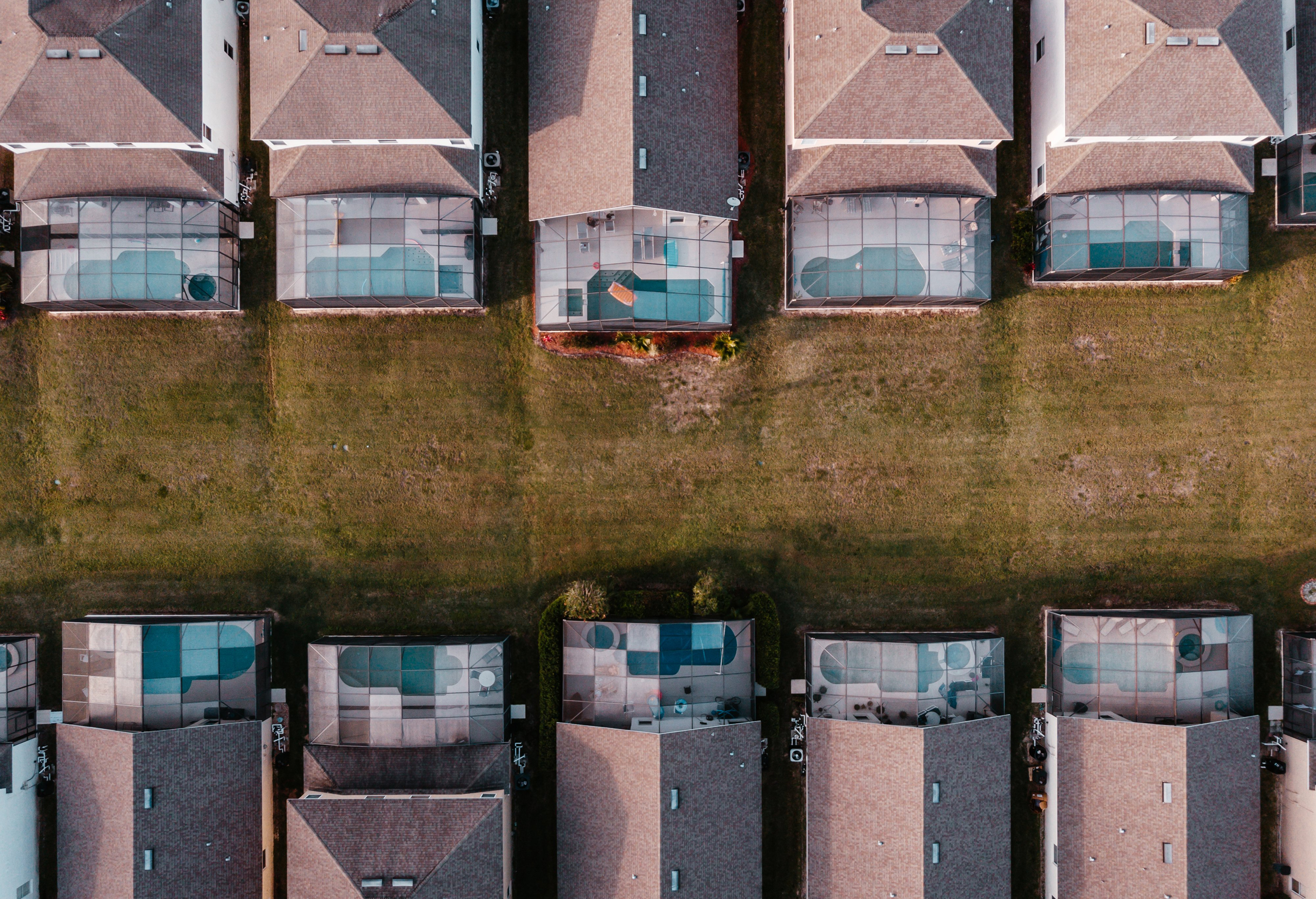
At Smile Roofing, we use satellite-based roof measurement reporting to help you start with clarity. A Satellite Roofing Report gives you a measurement-driven overview of your roof using aerial imagery and roof geometry data. It’s a smart, low-friction way to get oriented, plan budgets, and make better decisions without turning the process into a pressure-filled sales experience.
This page is built to help you understand what a satellite roof report can do, what it can’t do, when it makes sense in San Pedro, and what the next step looks like if you want guidance from a licensed roofing team that keeps things straightforward.
What a Satellite Roofing Report Is
The simple definition
A Satellite Roofing Report is a measurement-based roof overview created using aerial imagery. It provides roof geometry and layout details that help estimate roofing materials and understand the roof’s size and complexity.
In plain terms, it’s a way to get reliable roof measurements without needing someone to climb up there on day one.
What it’s designed to help you do
A satellite roofing report is most useful when you need accurate measurements early, before you commit to scheduling, selecting materials, or comparing multiple proposals. In San Pedro, where homeowners are often balancing busy schedules, coastal maintenance concerns, and the desire to avoid surprises, this type of report can be a practical first step.
A Satellite Roofing Report can support decisions like these.
Choosing whether you’re closer to a repair scope or replacement scope
Understanding why two roofing quotes look very different
Estimating how much material a project may require
Planning conversations with contractors using the same baseline measurements
Reducing unknowns before you invest time in multiple site visits
What’s Included in Your Report
Measurement details you can use for estimates
While the exact fields can vary depending on report type and roof complexity, satellite-based measurement reporting is designed to provide the practical numbers that influence project planning. When we help San Pedro homeowners with this service, the goal is simple. Give you clear measurements you can actually use.
Your report typically focuses on roof geometry such as:
Total roof area measurements
Roof pitch and slope details, where available
Roof facets and layout breakdown
Key line items that affect material planning and labor complexity
How to read the results without getting overwhelmed
Roof measurement data can look technical at first glance. The best way to think about it is as a roadmap. It helps you understand how your roof is shaped and why two bids might differ even when they appear to describe the same work.
Here’s a simple way to interpret your report.
Start with overall roof size
Review roof complexity and layout
Check pitch and slope details
Use the report to ask better questions during estimates
If you want a quick checklist for your contractor conversations
What roof area is your estimate based on
How does your estimate account for pitch and complexity
Are edges, ridges, and transitions included consistently
What assumptions are you making about tear-off or layering
If you want help understanding what your report suggests about the next step, we’re happy to walk through it in plain language.
What a Satellite Report Can’t Confirm
Why hidden damage still requires an onsite inspection
A satellite roofing report is measurement-driven. That’s its strength and also its boundary.
It can’t see under the surface of roofing materials, identify moisture intrusion inside layers, or confirm the condition of underlayment, decking, flashing, or penetrations. It’s not a substitute for diagnosing active leaks, hidden rot, or interior water pathways.
If your primary concern is damage diagnosis, the right move is often an onsite inspection. We’ll tell you that directly, because the goal is accuracy, not forcing the wrong tool into the situation.
When we’ll recommend a different next step
We may recommend skipping straight to an onsite visit if you’re dealing with:
Active leaks or visible interior staining
Sagging areas, soft spots, or structural concerns
Recently storm-related issues you suspect caused impact or lifting
Unexplained odor, bubbling paint, or signs of trapped moisture
A roof that has multiple layers or unknown history and needs hands-on evaluation
When This Service Is a Great Fit in San Pedro
Common scenarios where a satellite report shines
In San Pedro, we often see homeowners using satellite measurement reporting as the calm beginning of the roofing process. It helps reduce uncertainty without forcing immediate commitments.
This service is usually a great fit when:
You’re comparing multiple roofing proposals and want a consistent measurement baseline
You want to plan a budget before scheduling onsite visits
You’re not sure whether a repair or replacement is the right direction yet
You want to understand roof scope before choosing materials
You’re short on time and want a faster starting point
If you’re comparing multiple proposals
If two estimates don’t match, it’s often because the underlying assumptions don’t match. Roof measurements influence material quantities, labor expectations, and waste factors. A satellite report can help create a neutral baseline so you’re not guessing which bid is more realistic.
Questions worth asking when you have a measurement baseline
What roof area are you using for this estimate
Does your quote reflect roof complexity shown in the layout
How does your estimate account for pitch and transitions
Are accessories and edge details being measured consistently
If you need clarity before scheduling an inspection
Some homeowners feel stuck between not being ready for a full inspection and not wanting to be unprepared. A satellite report can bridge that gap. It gives you something concrete to review, and it helps you decide whether scheduling a site visit is the right next step.
A satellite report is a practical first step when your goal is planning
Early budgeting and timelines
Comparing multiple proposals
Understanding roof size and complexity
Getting organized before choosing materials
Where it may not be the best first step
If your primary goal is diagnosing a leak or confirming material condition, a satellite report won’t replace a hands-on evaluation. In those cases, we’ll guide you toward the right approach instead of trying to force this service into a role it can’t do well.
How the Process Works
Step 1: Share the property address and goals
The process starts with your San Pedro property address and a quick explanation of what you’re trying to figure out.
Planning a replacement budget
Comparing multiple bids
Understanding roof size and layout
Deciding between repair and replacement
Step 2: We generate the measurements and review them
Satellite reporting pulls roof geometry from aerial imagery. We review the output for practical planning value. Our goal is to translate the report into clarity, not dump a technical document in your inbox and call it a day.
Step 3: You get next-step options without pressure
Once you have the report, the next step depends on what you need.
Early-stage planning and comparing estimates
Scheduling an onsite inspection if condition issues are suspected
Discussing scope and timing if you already know you’re moving forward
What we aim for in every conversation
Clear answers
Simple next steps
No pressure
Satellite Report vs Drone vs Onsite Inspection
A quick, practical comparison
Different tools answer different questions. If you’re trying to choose the right starting point in San Pedro, here’s a plain-language way to compare options.
Satellite Roofing Report
Best for: measurements, roof geometry, estimating scope
Strength: fast measurement clarity without climbing
Limit: doesn’t confirm hidden condition or internal damage
Drone review
Best for: closer visual documentation from above
Strength: better visuals than satellite alone, depending on access and conditions
Limit: still not the same as hands-on assessment
Onsite roof inspection
Best for: diagnosing condition, leak tracing, hands-on evaluation
Strength: most complete option when damage is suspected
Limit: requires scheduling and on-property access
Which option matches your situation
Use this simple guide.
If you want measurements to compare quotes, start with a Satellite Roofing Report
If you want visuals to document surface condition, drone or onsite may be better
If you want to diagnose leaks or hidden issues, onsite inspection is usually the right move
Cost Factors and Timing
What affects pricing for a measurement-based report
Many people want a simple price number. In reality, roof reporting and quoting depends on factors that influence how measurement data is interpreted and how roofing scope is planned.
Key factors include:
Roof size and total surface area
Pitch and slope variations
Roof layout complexity, including facets and transitions
Roof type and material considerations
Your project goal, such as budgeting, comparing bids, or preparing for replacement
Typical turnaround expectations in real-world terms
Turnaround can vary depending on report type, property complexity, and current workload. We avoid promising exact same-day delivery in every scenario because accuracy and consistency matter more than flashy claims.
Here’s what we can say reliably.
A satellite report is typically faster than scheduling an onsite visit as your first step
Once the report is ready, it can speed up conversations about scope, budgeting, and next steps
If timing matters to you, tell us early so we can recommend the most efficient option
Why Homeowners Choose Smile Roofing
Educator-first guidance that respects your time
Roofing decisions are expensive and stressful enough without pressure tactics. Our approach is built around explaining what we see, what it means, and what you can do next so you can decide at your pace.
We’ll help you understand:
What your roof measurements suggest about scope
Why complexity changes labor expectations
How to compare estimates using the same baseline
When a report is enough and when it isn’t
Transparent recommendations, not canned pitches
A satellite report is a tool, not a sales trick. We’re careful about how we describe it because we want you to feel confident in the process, not cornered.
If a satellite report is the right first step, we’ll tell you
If you need an onsite evaluation instead, we’ll tell you
If you’re not ready for anything beyond information, we’ll support that too
Licensed, legitimate, and process-driven
Working with a licensed roofing contractor matters, especially when you’re using information to make big financial decisions. We operate as a properly licensed roofing company in California, and we take accuracy and clear communication seriously from the first conversation through the final outcome.
San Pedro-Specific Guidance That Helps You Decide
Roof planning in a coastal community without making assumptions
San Pedro has its own rhythm. Homeowners here often want durable solutions, maintenance clarity, and a process that doesn’t waste time. At the same time, every home is different. Roof shapes, materials, ventilation, and past work can vary a lot from one property to the next.
Rather than making sweeping claims, our approach is to help you plan based on your roof’s real measurements and your actual goals.
How this report helps you avoid common early mistakes
Roofing mistakes often happen before any work begins, usually because decisions get made without clear baseline info.
A measurement-based report can reduce issues like:
Comparing bids based on different assumed roof sizes
Underestimating material quantities and getting hit with change orders
Choosing a scope before understanding complexity
Delaying decisions because everything feels too vague
What You’ll Receive and How to Use It
A practical way to organize your next steps
Once you have your satellite report, you can use it in a few ways depending on where you are in the process.
If you’re comparing estimates
Use the report to confirm whether contractors are bidding against a similar roof area and similar complexity assumptions.
Questions to ask:
What roof area are you using for this estimate
How are you accounting for pitch and layout
Are you including edges, ridges, and key details shown here
If you’re budgeting for a future project
Use the measurements as a foundation to plan, prioritize, and build a realistic timeline. Even if you’re not ready to schedule work, having measurement clarity can reduce the stress of unknown cost risk.
If you’re deciding whether to schedule an onsite evaluation
Use the report as a filter. If your goal is scope and budgeting, it may be enough for now. If your goal is condition diagnosis, it can help frame an onsite inspection more efficiently.
A simple file system that keeps roofing decisions organized
We recommend saving:
Your satellite report
Any estimates you receive
Notes on questions and answers from contractors
A short list of what you want to prioritize, such as budget, timeline, and material preferences
A Helpful Q and A for Real Roofing Report Questions
How accurate are satellite roof measurements
Satellite-based measurements are designed to provide reliable roof geometry and area estimates using aerial imagery. They’re widely used for planning and estimating because they establish a consistent baseline. Like any measurement method, accuracy depends on roof complexity, imagery quality, and how the data is interpreted. If you need confirmation of condition or details that can’t be seen from above, an onsite inspection is still the right tool.
Can I get a roofing estimate without someone coming to my house
In many cases, measurement-based reporting can help you get an early estimate framework because it provides the data that influences material quantities and scope. That said, a final price often depends on condition factors that may require an onsite evaluation. We can help you understand what can be estimated confidently from measurements and what requires a closer look.
Does the report show leaks or hidden roof damage
No. A satellite report is measurement-focused. It can’t confirm moisture intrusion, hidden rot, underlayment problems, interior pathways, or the real condition of flashing and penetrations. If your concern is a leak or suspected damage, we’ll typically recommend an onsite inspection as the most responsible next step.
What information do you need from me to start
Most of the time, we need the property address and a quick explanation of what you’re trying to figure out. If you already have estimates or notes from other contractors, that can help us understand what you’re comparing, but it’s not required.
How does roof pitch and complexity affect the project
Pitch and complexity influence labor approach, safety measures, and the amount of detailed work required. A simple, low-slope roof is typically more straightforward than a steep roof with multiple facets, transitions, and edges. The satellite report helps make that complexity visible so you can understand why pricing can vary.
Is a satellite report a replacement for a roof inspection
It’s not a replacement. It’s a strong starting point for measurement clarity and planning. An inspection is still needed when you’re trying to confirm condition, diagnose leaks, evaluate materials, or verify details that can’t be captured from aerial imagery.
What if I’m not sure whether I need a report or an inspection
That’s common. If you tell us what you’re trying to solve, whether it’s budget planning, comparing bids, diagnosing a leak, or deciding on next steps, we’ll point you toward the option that fits. We’d rather guide you correctly than push a service that doesn’t match your needs.
Will this help me compare multiple roofing quotes more confidently
Yes, that’s one of the best use cases. When contractors bid from different assumed roof sizes or complexity assumptions, comparisons get messy. A measurement-based report can help create a consistent baseline so the conversation becomes clearer and less frustrating.
Get Clarity First, Then Choose Your Next Step
If you’re in San Pedro and you want a calmer, more informed start to your roofing decision, a Satellite Roofing Report can help you get there. Measurements are not the entire story, but they’re a powerful first chapter. When you understand your roof’s size and layout, your next decisions become clearer, and you’re less likely to feel pressured, rushed, or confused by competing estimates.
If you want to see all the ways we can help beyond reporting, you can review our complete roofing service options at complete roofing service options.
And if you’d like us to help you decide whether a satellite report is the right first step, or you simply have a question you want answered honestly, reach out through our quick contact form at quick contact form and tell us what you’re trying to figure out. We’ll meet you with clear answers and a straightforward path forward.



Contact Form