

Shingle Roofing Burbank, CA
Call For FREE Inspection
No Pressure & No Obligation
Get A Full Detailed Roofing Report & Quote!
-
Inquiry Form
Call us directly or complete the form to assess your roofing needs
-
Project Quote
Receive a full complimentary detailed report within 48 hours!
-
Smart Assessment
Quick and Free site assessment
-
Smile Roofing Done
From start to finish trust our experts to provide top-quality roofing services
Step 1
Submit Your Info
Help us understand your roofing needs.
Step 2
Sit Back and Smile
We’ll generate your customized roof report within hours. Leave it to us.
Step 3
Your Quote Is Ready
It’s that easy! Your full roof quote delivered within 48 hours.
Step 1
Inquiry Form
Call us directly or complete the form to assess your roofing needs
Step 2
Project Quote
Receive a full complimentary detailed report within 48 hours!
Step 3
Smart Assessment
Quick and Free site assessment
Step 4
Smile Roofing Done
From start to finish trust our experts to provide top-quality roofing services
Our Mission:
Professional Services Always Provided With A Smile
A dependable shingle roof helps protect your home from sun exposure, wind, moisture, and the everyday wear that comes with Southern California weather. When shingles begin to crack, curl, loosen, or lose granules, it can be difficult to know whether you need a small repair or a complete roof replacement.
Smile Roofing provides shingle roofing services for homeowners and property owners in Burbank, CA. We take a clear, practical approach to roofing. Instead of beginning with a high-pressure recommendation, we look at the condition of the roof, discuss the available options, and explain what may make the most sense for the property.
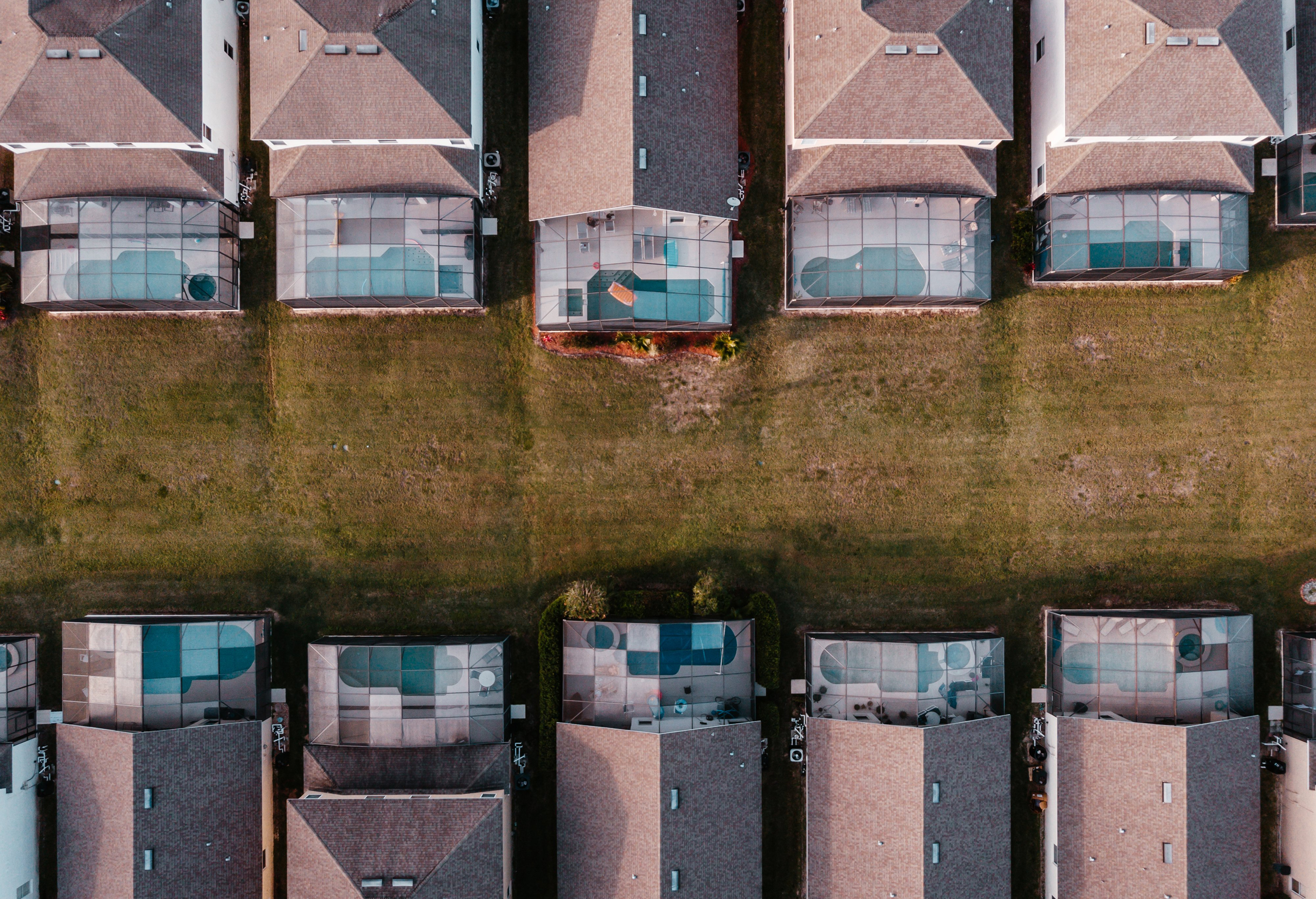
Our process can begin with satellite-supported roof measurements that help us understand the approximate size, slope, edges, ridges, valleys, and overall complexity of the roof. An onsite evaluation is then used to verify conditions that cannot be confirmed remotely, including the state of the shingles, flashing, underlayment, roof decking, and surrounding components.
Whether you are dealing with an isolated leak, widespread shingle deterioration, or an aging roofing system, our goal is to help you move forward with useful information and a clearly defined scope of work.
Shingle Roofing Services for Burbank Homes and Properties
Asphalt and composition shingles are widely used on residential roofs because they offer practical protection, flexible design choices, and a range of material options. They can be suitable for many steep-slope roofing systems, including single-family homes, duplexes, detached garages, rental properties, and certain multifamily buildings.
The right service depends on the roof’s condition, age, construction, and history. Some roofing problems can be addressed through a focused repair. Other roofs may have widespread deterioration that makes replacement a more practical long-term choice.
Asphalt Shingle Roof Repair
Shingle roof repair is generally intended for damage affecting a limited area of the roof. A repair may involve replacing missing or cracked shingles, correcting flashing problems, sealing vulnerable penetrations, or addressing a specific leak source.
A repair may be appropriate when:
The damage is isolated to one section.
Most of the surrounding shingles remain in serviceable condition.
The roof has not developed repeated leaks in multiple areas.
Compatible replacement materials are available.
The underlying roof structure remains sound.
A visible problem does not always reveal the full source of a leak. Water may enter around flashing, vents, roof transitions, fasteners, or damaged underlayment before appearing inside the building. That is why a professional assessment should consider more than the shingle directly above an interior stain.
Shingle Roof Replacement
Roof replacement may be more practical when shingles are deteriorating across large sections, repairs are becoming frequent, or moisture has affected components beneath the visible surface.
A full replacement usually includes removing the existing roofing materials, evaluating the exposed roof deck, completing approved repairs where needed, installing the required underlayment and flashing components, and applying the selected shingle system.
Replacement also gives the property owner an opportunity to review:
Shingle style and color
Cool roof product options
Ventilation needs
Flashing details
Roof deck conditions
Manufacturer warranty requirements
Permit and inspection considerations
The decision should be based on actual roof conditions rather than age alone. Two roofs of a similar age may perform very differently depending on installation quality, ventilation, sun exposure, maintenance, previous repairs, and material type.
New Shingle Roof Installation
New shingle installation may be needed for a home addition, detached garage, accessory structure, or newly constructed steep-slope roof. The roofing system should be selected according to the building design, roof pitch, local requirements, and the intended appearance of the property.
Shingles are not suitable for every roof section. Low-slope areas may require a different type of roofing system to manage water correctly. Properties with multiple roof designs may therefore need a combination of materials rather than one product across every surface.
Signs Your Shingle Roof May Need Professional Attention
Roofing problems often develop gradually. Some warning signs can be seen from the ground, while others appear inside the home or become noticeable only during a closer inspection.
Common signs that a shingle roof may need attention include:
Missing or loose shingles
Cracked, curled, or lifted shingle edges
Bare areas where surface granules have worn away
Shingle fragments or granules collecting near downspouts
Water stains on ceilings or walls
Moisture around vents, skylights, or chimneys
Damaged or separated flashing
Darkened or visibly worn roof sections
Repeated repairs in different areas
Soft, uneven, or deteriorated decking
Visible daylight entering the attic
Unexplained moisture or musty odors
One damaged shingle does not automatically mean the entire roof must be replaced. At the same time, a small interior stain should not be ignored. Water can travel along framing, underlayment, or decking before it becomes visible indoors.
Missing, Cracked, or Curling Shingles
Shingles can loosen or break because of wind, age, heat exposure, installation issues, or impact damage. Curled edges may allow moisture to reach layers that are designed to remain protected.
A few damaged shingles may be repairable. Widespread curling or cracking may indicate broader deterioration throughout the roof surface.
Granule Loss and Surface Wear
Granules help protect asphalt shingles from ultraviolet exposure and surface damage. Some granule shedding may occur over time, but heavy or uneven loss can leave the asphalt layer more exposed.
Granules near gutters or downspouts should be considered alongside the overall condition of the roof. The presence of granules alone is not enough to determine whether replacement is necessary.
Leaks, Water Stains, and Damaged Flashing
Flashing protects transitions and openings where water is more likely to enter. It is commonly installed around vents, chimneys, walls, valleys, and roof edges.
Leaks near these areas may be caused by loose flashing, failed sealants, damaged underlayment, improper drainage, or surrounding shingle deterioration. A repair should address the actual entry point rather than covering only the visible symptom.
Soft or Deteriorated Roof Decking
The roof deck, which may also be called sheathing, provides the structural surface beneath the roofing materials. Prolonged moisture exposure can weaken sections of the deck.
Decking conditions are not always visible until the existing roofing is removed. When damaged areas are discovered, they should be evaluated before the new roofing system is installed.
Should You Repair or Replace a Shingle Roof?
A roof may be repairable when the damage is limited and the remaining system is still performing well. Replacement may be more practical when deterioration is widespread, leaks continue to return, or the roof can no longer provide reliable protection as a complete system.
The right recommendation depends on the location of the damage, the condition of nearby materials, the roof’s repair history, and what is happening beneath the shingles.
When Shingle Repair May Be Appropriate
Repair may be a reasonable option when a small number of shingles have been damaged and the surrounding roof remains stable.
A focused repair may also make sense when:
A leak has a clearly identifiable source.
Flashing has shifted or deteriorated in one location.
Wind has affected a limited roof section.
The damaged material can be matched closely enough for proper installation.
The roof deck and underlayment remain serviceable.
When Full Roof Replacement May Be More Practical
Replacement may offer better value when repairing one area would leave several other vulnerable sections unchanged.
A complete reroof may be considered when:
Shingles are deteriorating across multiple roof planes.
Leaks have appeared in more than one area.
Repairs have become frequent.
Large sections show curling, cracking, or granule loss.
The existing roof has installation problems that cannot be corrected through a small repair.
The roof deck has extensive moisture damage.
The roofing system no longer meets the needs of the property.
Why an Onsite Roof Assessment Matters
Satellite measurements can provide useful information about roof dimensions and layout, but they cannot show every material condition. An onsite assessment helps verify the roof surface, penetrations, flashing, drainage paths, access conditions, and visible signs of moisture.
It also allows the roofing scope to reflect the actual property rather than relying on assumptions.
Burbank Shingle Roofing Requirements and Local Considerations
A shingle roofing project in Burbank should account for more than the visible roof surface. Permits, inspections, product ratings, fire performance, roof slope, and existing construction can all influence the final scope.
Requirements may vary according to the type of property, the extent of the work, and the selected roofing system. Project details should therefore be confirmed before installation begins.
Reroof Permits and Inspections in Burbank
Roof replacement and substantial reroofing work commonly require a building permit. The permit process helps document the project scope and allows the applicable installation details to be reviewed.
Depending on the project, inspection steps may address areas such as:
Existing roofing removal
Roof deck conditions
Underlayment installation
Flashing and roof transitions
Product documentation
Final roofing installation
The exact process can vary. A homeowner should understand who will handle permit-related tasks, what documentation may be needed, and whether inspections could affect scheduling.
Cool Roof Shingles and CRRC Rated Products
Cool roof requirements can influence shingle selection in Burbank. A cool roof product is designed to reflect more solar energy and release absorbed heat more effectively than some conventional roofing materials.
Product color alone does not determine whether a shingle qualifies. The applicable rating and documentation should be reviewed for the specific product.
What CRRC Rated Means
CRRC refers to the Cool Roof Rating Council. The organization maintains product rating information related to solar reflectance and thermal emittance.
A CRRC rated product has documented performance information that can be used when reviewing cool roof requirements. The rating does not mean that every product is appropriate for every roof or that all products from one manufacturer have the same performance.
Why the Exact Product Should Be Confirmed
Shingle collections often include multiple colors and product variations. One option may have different performance information from another, even when both come from the same manufacturer.
Before materials are ordered, the exact product name, color, rating, fire classification, and installation requirements should be checked against the needs of the project.
Class A Roofing and Fire Resistance
A Class A roof assembly is designed to provide a high level of resistance to fire exposure under established testing standards. The classification may depend on the complete roofing assembly, not only the visible shingle.
Components such as the roof deck, underlayment, installation method, and approved product combination can affect the final classification.
When discussing asphalt shingles in Burbank, it is important to distinguish them from wood shingles or wood shakes. The term “shingle roofing” on this page refers to asphalt or composition roofing materials suitable for the project and applicable requirements.
Roof Decking, Existing Layers, and Tear Off Conditions
The condition beneath an existing roof is not always known before tear off. Removing old shingles can reveal:
Water-stained sheathing
Soft or deteriorated deck sections
Improper previous repairs
Gaps or uneven surfaces
Damaged flashing
Inadequate ventilation openings
Additional roofing layers
These conditions can change the amount of work required. A clear estimate should explain how unexpected decking or structural repairs will be handled if they are discovered.
Solar Panels and Mixed Roofing Systems
Properties with solar panels may require coordination before roofing work begins. Panel removal, storage, reinstallation, electrical work, and roof attachment details may need to be addressed by appropriately qualified professionals.
Some Burbank properties also have a combination of steep-slope and low-slope roof sections. Asphalt shingles may be suitable for one part of the building while another section requires a different system. Smile Roofing’s broader residential and commercial roofing services can help property owners understand how different roof areas may need to be approached.
Asphalt and Composition Shingle Options
Modern asphalt shingles are available in different profiles, colors, ratings, and performance levels. Choosing a product should involve more than selecting a color from a sample.
The roof design, sun exposure, slope, local requirements, budget, surrounding architecture, and warranty conditions should all be considered.
Architectural and Dimensional Shingles
Architectural shingles are designed with layered patterns that create more visual depth than a basic flat shingle appearance. They may also be described as dimensional shingles.
Depending on the product, they can offer:
A more textured appearance
Different color blends
Enhanced shadow lines
Product-specific wind ratings
Manufacturer warranty options
The exact benefits depend on the selected shingle and proper installation.
Cool Roof Shingle Options
Cool roof shingles are available in a variety of colors and styles. They are not limited to bright white or highly reflective commercial roofing surfaces.
A suitable product should be selected using current performance data and project requirements. Homeowners should also consider how the color works with exterior paint, stucco, trim, masonry, and nearby architectural features.
Shingle Colors and Exterior Appearance
Roof color can significantly affect the appearance of a home. A darker roof may create contrast, while a lighter or blended color may produce a softer transition with the exterior.
Small samples may look different when installed across a large roof surface. It can be helpful to review completed project images, manufacturer displays, and similar exterior color combinations before making a final decision. Smile Roofing’s recent roofing work provides examples of materials, colors, and finished roof appearances.
Material Durability and Warranty Considerations
Shingle performance depends on the full roofing system. Material quality matters, but installation details, ventilation, flashing, roof preparation, and maintenance also affect how the roof performs.
When reviewing warranty information, ask:
Which parts of the roofing system are covered?
Is the warranty provided by the manufacturer, contractor, or both?
Are there registration requirements?
Does the product require specific installation components?
Are labor and material coverage handled differently?
What conditions or exclusions apply?
Warranty terms should be reviewed using the current documents for the exact product and installation.
Choosing a Product for Heat and Sun Exposure
Burbank roofs can receive substantial sun exposure. Product selection should account for heat, ultraviolet exposure, roof orientation, ventilation, and applicable cool roof requirements.
A well-selected product cannot correct poor installation or inadequate roof preparation. The shingle, underlayment, flashing, ventilation, and deck should work together as one system.
How Smile Roofing Approaches a Shingle Roofing Project
We believe homeowners should understand what is being recommended and why. Our approach is built around clear information, practical options, and a defined project process.
Satellite Roof Measurement and Initial Planning
Satellite roof measurements can help us review the approximate dimensions and layout of the roof before an onsite visit.
What Satellite Measurements Can Show
Depending on the property and available imagery, satellite measurements may provide information about:
Approximate roof area
Roof pitch or slope
Ridge lengths
Eaves and perimeter edges
Valleys
Roof sections
General project complexity
This information can support early material calculations and estimate preparation.
Why Onsite Verification Is Still Necessary
Satellite images cannot confirm the physical condition of shingles, flashing, decking, underlayment, vents, or roof penetrations. They may also be affected by trees, shadows, additions, recent property changes, or limited image detail.
An onsite review is used to confirm measurements, access, material conditions, and project-specific concerns.
Roof Inspection and Scope Confirmation
During an assessment, the roof should be reviewed for visible deterioration, leak indicators, flashing issues, drainage concerns, ventilation conditions, and areas that may require special attention.
The goal is to develop a scope that explains:
What work is recommended
Which roof areas are included
Which materials are proposed
What may change after tear off
How additional repairs will be communicated
What permit or inspection steps may apply
Material and Color Selection
Once the scope is understood, the homeowner can review appropriate shingle styles, colors, ratings, and warranty options.
Material selection should happen before scheduling so product availability and documentation can be confirmed.
Permit and Project Preparation
Before work begins, project requirements, access, material delivery, disposal, property protection, and permit responsibilities should be clarified.
Homeowners may be asked to prepare by moving vehicles, securing fragile items, clearing outdoor work areas, and notifying occupants about expected noise or vibration.
Tear Off and Decking Evaluation
Removing the old roofing materials allows the underlying surface to be inspected more closely.
What Happens if Damaged Decking Is Found
If damaged decking is discovered, the affected area should be documented and evaluated. The homeowner should receive an explanation of the recommended correction and any resulting change to the project scope.
New roofing should not be installed over decking that cannot provide a suitable fastening surface.
Shingle Installation, Cleanup, and Review
A typical replacement process may include:
Preparing the property and staging materials.
Removing the existing roofing materials.
Evaluating the exposed roof deck.
Completing approved deck repairs.
Installing required underlayment and flashing.
Applying starter materials and field shingles.
Completing ridge, edge, vent, and transition details.
Removing debris and cleaning the work area.
Reviewing visible installation details.
Completing applicable inspection steps.
The exact sequence may change according to the roof design, weather, permit requirements, and conditions discovered during the work.
What Affects Shingle Roof Replacement Cost in Burbank?
The cost of shingle roof replacement depends on the roof’s size, design, current condition, selected materials, access, and required preparation. A reliable estimate should reflect the actual property rather than relying only on a broad price per square foot.
Roof Size, Pitch, and Complexity
A larger roof generally requires more materials and labor, but total area is only one factor. A roof with multiple levels, steep slopes, valleys, dormers, walls, or complex transitions may require more detailed work than a simple roof with the same surface area.
Existing Roofing Layers and Removal
The number and type of existing roofing layers can affect removal time, disposal, and deck preparation. Older materials or previous overlays may also conceal conditions that become visible only after tear off.
Decking, Flashing, and Ventilation
Replacement costs may change when the project requires:
Deck repair or replacement
New flashing
Ventilation modifications
Fascia or edge corrections
Work around skylights, chimneys, or vents
Correction of previous installation problems
These details should be explained clearly rather than added without context.
Shingle Type and Cool Roof Requirements
Architectural shingles, cool roof options, specialty colors, and complete manufacturer systems can carry different material costs.
The lowest-priced shingle is not always the best choice for the property. Product ratings, appearance, installation requirements, availability, and warranty conditions should be reviewed together.
Access, Permits, Disposal, and Equipment Coordination
Limited driveway access, landscaping, narrow side yards, multiple stories, solar equipment, and nearby structures can affect project planning.
Permit fees, inspection requirements, debris containers, material delivery, and disposal may also form part of the total cost.
Why a Detailed Estimate Matters
A detailed estimate helps the homeowner compare proposals more accurately. It should identify the roof areas included, proposed materials, removal work, underlayment, flashing, ventilation, cleanup, and known exclusions.
It should also explain how hidden conditions, such as damaged decking, will be handled if they are discovered.
Why Burbank Property Owners Choose Smile Roofing
Replacing or repairing a roof is a significant decision. We aim to make that decision easier to understand by providing clear explanations and practical recommendations.
No-Pressure Roofing Recommendations
We do not believe every roofing concern should automatically lead to a full replacement. When a repair appears reasonable, we can explain why. When replacement is the more practical option, we can show which conditions support that recommendation.
Clear Estimates and Practical Explanations
A roofing estimate should help you understand the project, not leave you with more questions. We focus on explaining the scope, materials, expected steps, and variables that may affect the work.
Satellite-Supported Project Planning
Satellite measurements give us a useful starting point for reviewing roof dimensions and complexity. We combine that information with onsite verification before finalizing the project scope.
Guidance for Different Property Types
A single-family home, duplex, rental property, garage, and multifamily building can each present different concerns. Roof slope, access, occupancy, equipment, and maintenance responsibilities should all be considered.
Respect for the Home and Work Area
Roofing work affects more than the roof. Material delivery, tear off, debris, noise, landscaping, vehicles, and outdoor spaces all require planning.
Clear preparation instructions and an organized cleanup process help reduce avoidable disruption.
Shingle Roofing for Different Burbank Property Types
Shingle roofing can be suitable for several property types, but the recommendation should reflect the roof design and intended use of the building.
Single-Family Homes
For single-family homes, material appearance, ventilation, energy considerations, and long-term protection are often central priorities.
Homeowners may also need to coordinate roof work with solar equipment, exterior painting, gutters, or planned property improvements.
Duplexes and Rental Properties
Duplex and rental property owners may place added emphasis on scheduling, occupant communication, durability, documentation, and predictable maintenance.
A clearly defined scope helps owners understand which roof areas are included and how access or tenant coordination may affect the project.
Detached Garages and Accessory Structures
Detached structures may use shingles when the roof slope and construction are suitable. The material can be selected to coordinate with the main home while still meeting the needs of the individual structure.
Multifamily Properties
Multifamily roofing projects can involve larger roof areas, multiple occupants, shared access, and more detailed scheduling. The property may also contain different roof types that require separate installation methods.
Properties With Mixed Roof Types
A building may have asphalt shingles on steep-slope areas and another roofing material on low-slope sections. Each section should be evaluated according to its drainage, design, and installation requirements.
Using the same product everywhere is not always appropriate.
Questions Burbank Property Owners Often Ask
Do I need a permit to replace a shingle roof in Burbank?
Roof replacement and substantial reroofing work commonly require a permit in Burbank. The exact requirements depend on the project scope, property type, and roofing system.
Before work begins, confirm who will be responsible for the application, product documentation, inspection scheduling, and permit closeout. Permit requirements should be reviewed for the specific property rather than assumed from another project.
Are cool roof shingles required in Burbank?
Cool roof requirements may apply to reroofing projects in Burbank. Whether a particular product is suitable depends on the project, the applicable requirements, and the documented rating of the exact shingle and color.
A roofing professional should confirm the current product information before materials are ordered.
Can damaged shingles be repaired without replacing the entire roof?
Yes, isolated shingle damage can sometimes be repaired without replacing the whole roof. Repair is more likely to be practical when the surrounding materials remain serviceable and the problem has a clear, limited source.
An assessment should also consider the underlayment, flashing, roof deck, and history of previous repairs.
How do I know when my shingle roof needs replacement?
Replacement may be appropriate when deterioration affects multiple areas, leaks keep returning, shingles are broadly cracked or curled, or repairs are no longer providing reliable protection.
The roof’s age can provide context, but its actual condition is more important than a general lifespan estimate.
How much does shingle roof replacement cost in Burbank?
The cost depends on roof size, slope, access, removal requirements, decking condition, flashing, ventilation, selected shingles, cool roof requirements, permits, disposal, and equipment coordination.
A property-specific estimate is more useful than a broad advertised price because it reflects the actual roof and proposed system.
How long does shingle roof replacement take?
The schedule depends on the size and complexity of the roof, the amount of preparation required, weather conditions, inspections, material availability, and any damage found after tear off.
A simple roof may move through installation more quickly than a steep or highly detailed roof. The expected schedule should be discussed after the project scope is confirmed.
What happens if damaged roof decking is discovered?
Damaged decking should be documented and evaluated before new roofing is installed. The affected material may need to be replaced so the new system has a stable and suitable fastening surface.
The contractor should explain the condition, recommended correction, and cost before completing work outside the agreed scope whenever circumstances allow.
Can new shingles be installed over old shingles?
Whether an overlay is allowed or advisable depends on the existing roof, the number of layers, local requirements, manufacturer instructions, and the condition of the materials beneath the surface.
Tear off often provides a better opportunity to inspect the roof deck and correct hidden problems. The appropriate method should be determined for the individual property.
What are architectural shingles?
Architectural shingles are asphalt shingles designed with layered patterns that create a dimensional appearance. They are available in different colors, profiles, ratings, and warranty options.
The exact features vary by manufacturer and product line, so selection should be based on verified product information rather than the category name alone.
What does CRRC rated mean?
A CRRC rated roofing product has documented solar reflectance and thermal emittance information through the Cool Roof Rating Council.
The rating helps identify product performance for cool roof considerations. It does not automatically confirm that a product meets every requirement for every building.
What is a Class A roofing system?
A Class A roofing system is an assembly tested to provide a high level of fire resistance. The classification may depend on the complete combination of shingles, underlayment, deck, and installation method.
Homeowners should confirm that the proposed assembly is appropriate for their property and applicable local requirements.
Can a roof be replaced if solar panels are installed?
Yes, but the project may require coordination for panel removal and reinstallation. Electrical connections, mounting points, storage, scheduling, and warranty responsibilities should be clarified before roofing work begins.
The roof and solar scopes should be coordinated so that each part of the work is completed by appropriately qualified professionals.
Start With Clear Shingle Roofing Options for Your Burbank Property
A roofing problem does not become easier by guessing at the cause or choosing a solution before the roof has been evaluated. Clear measurements, onsite verification, material guidance, and a detailed scope can help you understand what the property actually needs.
Smile Roofing serves Burbank homeowners and property owners who need asphalt shingle repair, replacement, or installation guidance. We can help you review visible roof concerns, compare practical options, and understand the factors that may influence the project.
To discuss your roof and begin the assessment process, contact Smile Roofing for a shingle roofing estimate.


Contact Form