

Tile Roofing Playa del Rey, CA
Call For FREE Inspection
No Pressure & No Obligation
Get A Full Detailed Roofing Report & Quote!
-
Inquiry Form
Call us directly or complete the form to assess your roofing needs
-
Project Quote
Receive a full complimentary detailed report within 48 hours!
-
Smart Assessment
Quick and Free site assessment
-
Smile Roofing Done
From start to finish trust our experts to provide top-quality roofing services
Step 1
Submit Your Info
Help us understand your roofing needs.
Step 2
Sit Back and Smile
We’ll generate your customized roof report within hours. Leave it to us.
Step 3
Your Quote Is Ready
It’s that easy! Your full roof quote delivered within 48 hours.
Step 1
Inquiry Form
Call us directly or complete the form to assess your roofing needs
Step 2
Project Quote
Receive a full complimentary detailed report within 48 hours!
Step 3
Smart Assessment
Quick and Free site assessment
Step 4
Smile Roofing Done
From start to finish trust our experts to provide top-quality roofing services
Our Mission:
Professional Services Always Provided With A Smile
Repair and Replacement
If you have a tile roof in Playa del Rey, you already know why people choose tile. It is beautiful, durable in the Southern California sun, and it can protect your home for decades when it is installed and maintained correctly. The tricky part is that tile roofing is its own system. When something goes wrong, it is not always obvious from the ground, and it is not always the tile itself.
At Smile Roofing, we work with homeowners who want straight answers, clean workmanship, and a calm, no pressure experience. If you are dealing with a leak, broken tiles, slipping tiles, or you are trying to decide whether you need repair work or a replacement, this page will walk you through what matters in Playa del Rey, how tile roofs typically fail, and what a smart plan looks like from inspection to finished work.
Tile Roofing Help for Playa del Rey Homes
Tile roofs are a great match for many homes on the Westside. Playa del Rey is also a coastal neighborhood, and coastal conditions create their own set of roofing realities.
Here is the honest truth. Many tile roof problems are really waterproofing problems underneath the tile. Tile is the outer layer, but the roof’s long term performance depends on the underlayment, flashings, valleys, and the small details that guide water safely off the roof.
That is why our first goal is not to sell you a big project. It is to understand what is actually happening, explain it in plain language, and give you options that make sense for your home, your timeline, and your budget.
What Makes Tile Roofing Different
Tile roofing is not like composition shingles. With tile, the visible surface can look fine while the waterproofing layer below is aging out.
Here are a few reasons tile systems require a different approach.
The tile is a water shedding surface, not the primary waterproofing layer.
Underlayment and flashing systems do the heavy lifting for water protection.
Individual tiles can break, shift, or loosen without creating an immediate leak.
Repairs require careful handling to avoid creating new damage.
Because of that, diagnosing a leak correctly matters. A patch and go approach can miss the true source of water intrusion, especially when the leak is related to valleys, flashings, wall transitions, or aging underlayment.
Clay Tile and Concrete Tile in West LA
Most residential tile roofs in Southern California fall into two broad categories. Clay tile and concrete tile. Both can perform well when installed correctly. The right choice depends on the look you want, the structure of the roof, and how the roof system is built.
Clay tile has a classic profile and a look many homeowners love. Concrete tile is often a practical choice and may offer more profile variety.
No matter which tile you have, the most important performance factors are the parts you do not see.
• Proper underlayment installation
• Proper flashing details at every transition
• Correct fastening and layout
• Ventilation and drainage planning
Common Tile Roof Problems in Coastal Playa del Rey
Coastal conditions do not automatically mean you will have roof trouble. But they can speed up wear in certain areas and make small defects show up faster, especially during wind driven rain.
Below are common issues we see on tile roofs, along with what they typically mean.
Broken or Slipped Tiles
Tile can crack from impact, foot traffic, or stress points. Slipped tiles can happen when fasteners loosen or when the tile field shifts slightly.
Common signs
• Visible cracked or missing tiles
• Tiles that look uneven along a row
• Pieces of tile on the ground after a windy day
• A tapping sound on windy days as a loose tile moves
Broken and slipped tiles are worth addressing sooner rather than later. Even if the roof does not leak immediately, a compromised tile area can lead to underlayment wear and water entry during storms.
Underlayment Wear
If there is one tile roof truth we wish every homeowner knew, it is this. Tile roofs often fail from the underlayment up, not from the tile down.
Underlayment can become brittle, tear, or lose effectiveness over time. That can happen gradually and stay invisible until heavy rain arrives, then the first leak appears.
Common signs
• Leaks that appear after stronger storms
• Water stains that grow slowly over months
• Leaks near transitions such as walls, chimneys, or skylights
• Multiple small leaks instead of one obvious entry point
In many cases, the tile is still usable, but the roof’s waterproofing layer needs attention. An inspection can help determine whether you are looking at localized repair work or a broader underlayment focused solution.
Flashing and Valley Leaks
Tile roofs have many potential water entry points, and most of them are not in the open tile field. They are at transitions, penetrations, and metal details.
Common culprits
A. Chimney flashing that has separated or corroded
B. Skylight flashing failures
C. Wall to roof flashing issues at sidewalls
D. Roof valley metal wear, debris buildup, or improper transitions
These areas can be especially sensitive in coastal neighborhoods, where moisture can accelerate metal wear. Even a small flashing defect can lead to water traveling and showing up far away from the actual entry point.
Ridge, Hip, and Ventilation Issues
Ridge and hip lines often include special tiles and bedding materials. Over time, bedding can crack, ridge tiles can loosen, and ventilation components can fail.
What this can lead to
• Wind driven rain entry
• Pest intrusion
• Poor ventilation that increases heat and moisture buildup
• Premature aging of underlayment and wood components
Warning Signs You Can Spot From the Ground
Not every roof problem requires climbing a ladder. We do not recommend homeowners walk on tile roofs, because tile can crack under foot traffic and slip hazards are real.
Look for these clues
• A water stain on the ceiling or around a window header
• Paint bubbling or peeling near the top of a wall
• A musty smell in the attic after rain
• Tiles that look uneven along a ridge line
• A drip that appears during wind driven rain
If you are seeing any of these, an inspection is the right next step.
Tile Roof Repair vs Replacement
Homeowners usually come to us with one core question. Do I need a full replacement, or can this be repaired.
The answer depends on the real cause of the issue, the condition of the underlayment, and how much of the system has aged out. Tile roofs can be very repairable. But there are times when repeated spot repairs become more expensive and more stressful than addressing the underlying system.
When Repair Makes Sense
Tile roof repair is often the right choice when:
• The underlayment is in good shape and the issue is localized
• A small number of tiles are broken or slipped
• A flashing detail needs to be corrected or resealed
• A valley has localized damage or needs cleaning and repair
• A previous repair was done improperly and needs to be redone
Typical repair work may include
Replacing broken tiles with matching profiles when possible
Re securing slipped tiles and correcting alignment issues
Repairing or replacing flashing at problem transitions
Correcting valley details and restoring proper drainage
Sealing and waterproofing as appropriate for the system design
When Replacement or Underlayment Replacement Is Smarter
A broader scope is often recommended when:
• Leaks are recurring in multiple areas
• Underlayment has reached the end of its effective life
• There are signs of widespread moisture intrusion
• Past repairs have created patchwork conditions
• Flashings and valleys are failing across the roof
In many systems, tile can sometimes be carefully removed and reset while underlayment is replaced, depending on tile condition and roof design. The right approach should be based on what is happening on your roof, not on a one size fits all pitch.
Cost Factors That Influence Tile Roofing Pricing in Playa del Rey
Tile roofing prices can vary because no two roofs are identical. If you are comparing bids, it helps to understand what drives the cost.
Common pricing factors
• Roof size and complexity
• Tile type and the availability of matching profiles
• Amount of tile that must be lifted, removed, or replaced
• Underlayment condition and the scope of waterproofing work
• Flashing and valley complexity
• Any existing damage that requires wood repair
• Site protection and access constraints
A reliable quote should explain what is included, what is excluded, and why the work is recommended.
Our Tile Roofing Process
A roofing project should feel clear. Here is how we keep it straightforward from the first conversation through the final walkthrough.
Step 1 Inspection and Photo Documentation
We start by identifying the true source of the issue. That may involve checking:
• Tile condition and alignment
• Ridge and hip areas
• Valleys and drainage paths
• Flashing details around chimneys, skylights, and walls
• Signs of underlayment wear where visible
• Attic indicators when accessible and relevant
We focus on what can be verified, not assumptions. We use documentation so you can see what we are seeing.
Step 2 Clear Options and a Transparent Quote
Once we understand the problem, we outline a plan that fits the reality of the roof, not a sales script. That often means giving you more than one option, with a plain explanation of the tradeoffs.
A helpful proposal should answer
What is causing the issue
What work will fix it
What areas are being touched and what areas are not
What risks remain if you choose a smaller repair
What timeline you should expect
Step 3 Repair or Replacement Work with Respect for Your Property
Tile work requires careful handling. During the job, we prioritize:
• Protecting landscaping and outdoor surfaces
• Working carefully to avoid unnecessary tile breakage
• Keeping the jobsite tidy and safe
• Communicating clearly when conditions change
Step 4 Final Walkthrough and Maintenance Guidance
Once the work is complete, we do a walkthrough and share practical guidance you can use.
Simple habits that help
• Keep valleys and drainage paths clear of debris
• Watch for slipped tiles after major wind events
• Schedule periodic inspections as the roof ages
• Address small flashing issues before they become interior damage
Tile Roofing Services We Provide in Playa del Rey
Tile roofing needs change depending on the roof’s age and how it was built. Our work is tailored to what your roof actually needs, with a focus on safe water management and long term performance.
Tile Roof Repair
Repairs may include replacing broken tiles, correcting alignment, restoring secure fastening, and addressing specific leak points.
Tile Roof Leak Detection and Targeted Repairs
Leaks can be deceptive. Water can travel and show up far from the entry point. Our goal is to trace the leak properly and fix the cause.
Tile Roof Replacement Planning
If the system has aged out or is failing in multiple areas, we discuss replacement paths that match your situation.
Flashing and Valley Corrections
Transitions are common leak sources. We address the details that keep water moving off the roof safely, including chimneys, skylights, sidewalls, and valleys.
Ridge, Hip, and Ventilation Attention
Ridge and hip systems require special care. If ridge tiles are loose or bedding is compromised, it is better to handle it proactively.
If Your Home Has a Flat Section Too
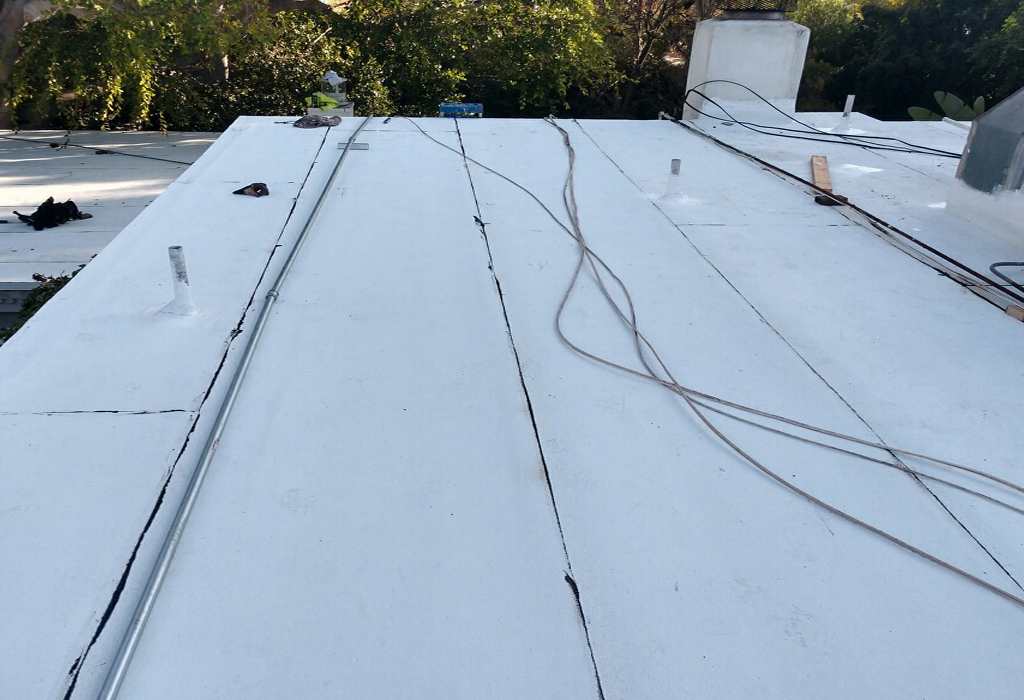
Many Playa del Rey homes include a mix of roof types, such as a tile main roof with a smaller flat section over a patio, garage, or addition. If that is your situation, we can help you coordinate solutions so the whole system works together. If you are dealing with a flat section that needs attention, you can learn more about our flat roofing solutions for LA area homes without bouncing between contractors.
Why Homeowners Choose Smile Roofing
Most roofing companies can explain what they do. Fewer can explain it clearly, do it cleanly, and make the homeowner feel respected throughout the process.
No Pressure, Just Straight Answers
Our approach is simple:
We inspect carefully
We explain what we find in plain language
We provide options when appropriate
We let you decide
If the best next step is a repair, we will say so. If the roof needs bigger work, we will show you why and talk through the smartest way to approach it.
Craftsmanship Standards for Tile Systems
Tile roofing is not forgiving of rushed work. The details matter.
What we focus on
• Correct water flow management
• Secure tile placement and careful handling
• Strong flashing and valley details
• Thoughtful transitions at walls and penetrations
• Clean execution that respects the home
What to Expect When You Reach Out
If you have had a frustrating experience with contractors before, you are not alone. We try to keep the process simple and predictable.
What Helps Us Help You Faster
When you contact us, it helps to share:
• Where the issue is showing up
• When it happens
• Any recent work done on the roof
• Photos from the ground if available and safe
• Whether you have noticed broken or slipped tiles
Tile Roofing Questions People Ask Us
Let’s answer common tile roofing questions we hear from homeowners in coastal West LA. These are the same questions that tend to come up when you are searching online after a leak appears.
Why is my tile roof leaking if the tiles look fine
Because tile is often the visible layer, not the waterproofing layer. Many leaks come from worn underlayment, failing flashing, or valley issues where water concentrates. Tiles can look intact while the layers below are compromised. A proper inspection focuses on transitions and drainage points first, then confirms the condition of the system underneath.
Can you replace just a few broken tiles
Often, yes. If the underlayment is in good condition and the roof system is otherwise healthy, replacing broken or slipped tiles can be a smart fix. The key is doing it carefully so additional tiles are not cracked during the repair, and ensuring the surrounding area is secured and aligned.
Do tile roofs need maintenance
Yes, but it is usually simpler than people expect. The goal is to keep water moving off the roof and catch small issues before they become interior damage. A periodic inspection, valley cleaning as needed, and prompt repair of broken or slipped tiles can help extend the life of the roof system.
How long does a tile roof last in Southern California
Tile itself can last a long time, but the roof system’s longevity depends heavily on underlayment, flashings, and workmanship. In coastal areas, metal components and waterproofing layers can face more stress due to moisture. The most accurate way to estimate remaining life is an inspection that focuses on underlayment condition and transition details.
What is the difference between repair and replacement for a tile roof
A repair addresses a specific localized problem, like broken tiles or a flashing leak. Replacement is recommended when the underlying system has aged out or multiple areas are failing. In some cases, a tile roof scope can involve removing and resetting tiles while replacing underlayment and flashings, but feasibility depends on tile condition and roof design.
How quickly can I get a quote
The timeline depends on scheduling and roof complexity. The fastest quotes happen when we can inspect, document the issue, and provide a clear scope without guesswork.
Is it safe to walk on a tile roof
In most cases, no. Tile can crack under foot traffic and it can be slippery. If something needs to be checked, it is safer to have a professional inspect it with the right safety approach and tile handling practices.
Serving Playa del Rey with Clear, Respectful Roofing Help
Playa del Rey homeowners deserve roofing work that is done carefully and explained clearly. Whether you are dealing with a small repair, a confusing leak, or exploring replacement options, our job is to make the next step feel simple.
If you want a no pressure way to understand what your tile roof needs, request a visit through our free tile roofing quote request page and tell us what you are seeing. We will help you sort out what is urgent, what is optional, and what a smart plan looks like for your home.





Contact Form