

- By Smile Roofing
- Roofing Tips
- 0 Comment
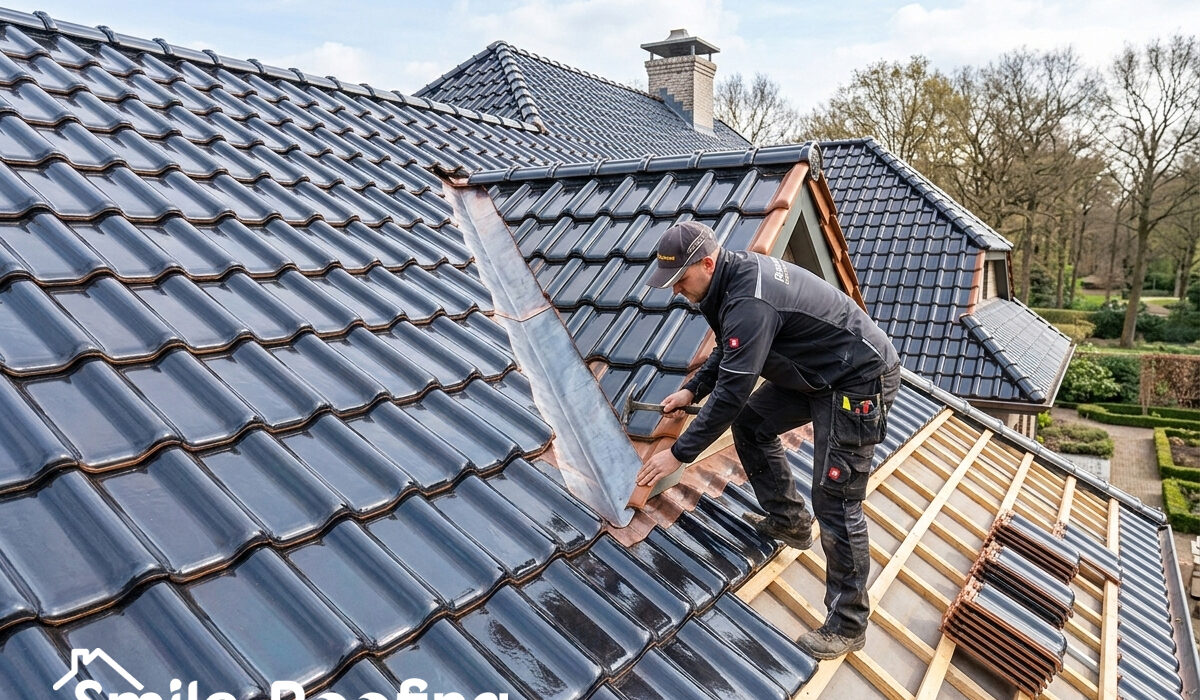
A partial batten replacement can be a practical roof repair when the problem is limited to a defined area. The key is confirming that the repair truly is limited before any tiles are lifted. Roof battens sit beneath the tiles and help support their position, so their condition affects how the roof covering performs as a complete system.
A roof tiler starts by looking beyond the visible symptom. A slipped tile, a leak mark, or an area of uneven roof lines may point to batten damage, but it can also relate to the underlayment, flashing, fixings, roof framing, or drainage. The right checks help identify the actual scope of work and keep a small repair from overlooking a wider issue.
For homeowners considering tile roof work, Smile Roofing’s roofing services provide a useful starting point for understanding the repair and replacement options available for different roof conditions.
Why Batten Condition Matters Beneath Roof Tiles
Roof battens are horizontal pieces of timber or another approved material fixed across the roof structure. They provide spacing and support for roof tiles, helping maintain the intended layout and allowing tiles to sit correctly across the roof plane.
When battens are in sound condition, tiles can remain aligned and properly supported. When a section deteriorates, the issue may show up as loose tiles, uneven rows, cracked tiles from movement, or water entering beneath the tile layer. Because tiles cover the battens, the visible roof surface does not always show the full condition underneath.
Partial replacement focuses on the affected area rather than assuming the whole roof needs new battens. That decision should follow a careful assessment. Replacing only the damaged section can be appropriate when nearby battens remain dry, secure, and structurally sound.
Tile Problems That May Point to Batten Damage
A roof tiler may recommend closer investigation when they find signs such as:
- Tiles that appear lower, higher, or out of line with surrounding rows
- Loose, rocking, or repeatedly displaced tiles
- Cracked tiles in a concentrated part of the roof
- Water staining or dampness in the roof space below a tiled area
- Soft, decayed, split, or insect affected timber where the roof covering has been opened
- Corroded or failing fixings around a localized repair area
- A roof section that feels uneven when viewed from the ground
None of these signs proves that a batten needs replacement on its own. They indicate that the roof needs a closer look beneath the tiles and around the surrounding components.
The First Checks Before Tiles Are Removed
A careful roof tiler begins with an assessment of the visible roof surface and the accessible roof space. The goal is to establish whether the concern is isolated or connected to a broader pattern.
The inspection often starts from the exterior. The tiler checks the roof slope, tile alignment, valleys, ridges, penetrations, flashing, and any area where water may collect or flow differently. They also look for damaged tiles and signs that the tile courses have moved.
From inside the roof space, where access is safe and practical, the inspection can provide useful clues about moisture, timber condition, roof framing, and previous repairs. This comparison matters because an exterior tile issue can sometimes be caused by a problem beneath the roof covering.
Homeowners who want a professional assessment before deciding on repair work can arrange a free roof inspection to review the roof condition and discuss the next appropriate step.
Checking for Moisture Before Replacing Battens
Moisture is one of the most important factors in a batten assessment. Timber battens can deteriorate when exposed to repeated water entry or long periods of trapped moisture. Replacing a damaged batten without identifying the moisture source can leave the new section exposed to the same conditions.
A roof tiler checks for possible water entry around:
- Broken, cracked, or displaced tiles
- Valleys where debris or poor drainage can direct water beneath tiles
- Flashing around chimneys, walls, skylights, vents, and roof penetrations
- Ridge and hip areas where bedding or pointing may have deteriorated
- Underlayment that has torn, aged, or lost its ability to shed water
- Previous repair areas where components may not have been integrated correctly
The inspection should distinguish between a one time event and an ongoing source of water. A tile damaged in a storm may allow localized moisture entry, while recurring staining or widespread timber decay can suggest a more extensive roof issue.
Assessing the Surrounding Battens and Underlayment
The damaged section should not be judged in isolation. Once tiles are carefully lifted, the tiler checks the adjoining battens, underlayment, fixings, and roof structure. This helps determine where a partial replacement should begin and end.
The following table shows the difference between conditions that may support a localized repair and conditions that may require a wider review.
| Condition found during inspection | What it may indicate | Typical next step |
|---|---|---|
| One damaged batten with dry, firm surrounding timber | A localized issue | Replace the affected section and restore the tile layout |
| Several adjacent battens showing decay | Moisture may have affected a wider area | Extend the opened area and inspect the source of water entry |
| Damaged underlayment near the batten issue | Water protection beneath tiles may be compromised | Repair or replace the affected underlayment area before resetting tiles |
| Loose tiles with sound battens | Tile fixings, placement, or weather exposure may be the main concern | Address the tile issue and confirm adjacent components remain secure |
| Sagging roof line or damaged roof framing | The concern may extend beyond the batten layer | Assess the structure before completing roof covering work |
| Repeated repairs in the same area | An underlying cause may not have been resolved | Review drainage, flashing, underlayment, and surrounding roof details |
How a Roof Tiler Defines the Repair Area
Partial batten replacement is not simply a matter of removing the visibly damaged piece of timber. The repair area should include enough surrounding material to create a stable, secure result while avoiding unnecessary disturbance to sound roof sections.
The tiler first identifies the extent of the affected battens. They check whether damage stops at a clear point or continues along the roof slope. They also assess whether the tiles can be lifted and reinstated safely. Older or brittle tiles may need careful handling because removal and reinstallation can expose existing weaknesses.
The replacement material must be suitable for the roof system and installed with correct spacing. Tile spacing affects the position of each course, so a poorly placed batten can cause uneven rows, insecure tile seating, or drainage issues.
Maintaining Tile Gauge and Roof Alignment
Tile gauge refers to the spacing that supports the intended overlap and placement of each tile course. The correct gauge depends on the tile type, roof pitch, and installation requirements. A replacement batten needs to align with the existing roof layout so the tiles sit as intended.
Before reinstalling tiles, a roof tiler checks:
- The position of the replacement batten against the existing tile courses.
- The condition of nearby battens and fixings.
- The overlap and seating of tiles above and below the repair.
- Whether the underlayment remains properly lapped and positioned.
- The alignment of the repaired area with the wider roof plane.
- Whether flashings, valleys, ridges, or penetrations near the repair remain secure.
This sequence helps prevent a repair from creating a new weak point in the roof covering.
When a Partial Repair Should Become a Wider Assessment
A partial repair may no longer be the best approach when inspection reveals repeated decay, widespread moisture, failing underlayment, or structural concerns. The right scope depends on what is found once the roof is opened.
A broader assessment does not automatically mean the entire roof needs replacement. It means the roof tiler should explain the condition clearly and identify which parts require attention. Reviewing recent roofing projects can also help homeowners see the range of roof conditions and project types that can require different approaches.
Tile Removal and Reinstallation Need Careful Handling
Roof tiles are durable, but they can crack if lifted, stacked, walked on, or refitted incorrectly. A careful repair process protects reusable tiles and identifies damaged pieces before they are put back into service.
The roof tiler normally removes only the tiles necessary to access the repair area and create safe working room. Tiles are set aside in an organized way so they can be returned to their original courses where appropriate. The exposed area is then checked for debris, damaged underlayment, deteriorated fixings, and batten condition.
Once the replacement work is complete, tiles are reset in the correct sequence. The tiler checks that each tile sits securely, overlaps correctly, and follows the surrounding roof lines. This is especially important near valleys, ridges, hips, walls, and penetrations, where roof details can affect how water moves across the surface.
For tile roof concerns and other roofing needs, homeowners can review Smile Roofing’s full service options to understand the broader types of work available.
Questions Homeowners Can Ask Before Partial Batten Work Begins
Clear communication helps homeowners understand why a repair is recommended and what the roof tiler found. Asking direct questions can make it easier to compare the observed condition with the proposed scope.
What caused the batten damage?
The answer should identify the observed condition, such as moisture exposure, localized decay, failed fixings, or another verified issue. If the cause is uncertain, that should be stated rather than assumed.
How far does the affected area extend?
A tiler should explain whether the damage appears limited to one section or whether nearby battens, underlayment, or roof framing also require inspection. This helps define why the proposed repair area is the appropriate size.
Will the underlayment be checked during the repair?
Because underlayment sits beneath the tile layer, it is important to assess it once access is available. A damaged underlayment section may need attention to help manage water that passes beneath tiles.
Can the existing tiles be reused?
The answer depends on the tiles’ condition and whether they can be removed and reinstalled safely. The tiler should identify any tiles that are already cracked, broken, or no longer suitable for reuse.
How will the repaired area be checked once work is complete?
A final visual review should confirm tile alignment, secure seating, and the condition of nearby roof details. If the repair is near a drainage path or flashing detail, those areas deserve particular attention.
Homeowners who prefer to discuss the roof condition directly can contact the Smile Roofing team with the details of the concern and the affected area.
Getting Clear Information Before a Repair Decision
A partial batten repair is most effective when the scope is based on inspection findings rather than a guess from the roof surface alone. The visible issue may be small, but the checks behind the tiles determine whether a localized repair is appropriate.
A detailed estimate should describe the observed condition, the proposed repair area, and any related work identified during inspection. It should also leave room for communication if concealed conditions become visible once tiles are lifted. Roofs can contain issues that are not apparent until the covering is opened, especially around older repairs or areas exposed to recurring moisture.
For a clearer starting point, homeowners can request a detailed roofing quote based on an assessment of the roof’s actual condition.
A Sound Repair Starts With the Right Checks
Partial batten replacement work is about more than replacing a piece of timber. It depends on identifying the moisture source, checking surrounding components, maintaining correct tile alignment, and restoring the roof covering carefully.
When the condition is genuinely localized, targeted work can address the affected area while preserving sound parts of the roof. When the inspection shows wider deterioration, the better path is to expand the assessment before completing a repair that may not resolve the underlying cause. A careful roof tiler uses the condition beneath the tiles to guide the decision, helping homeowners move forward with a repair scope that matches what the roof actually needs.