

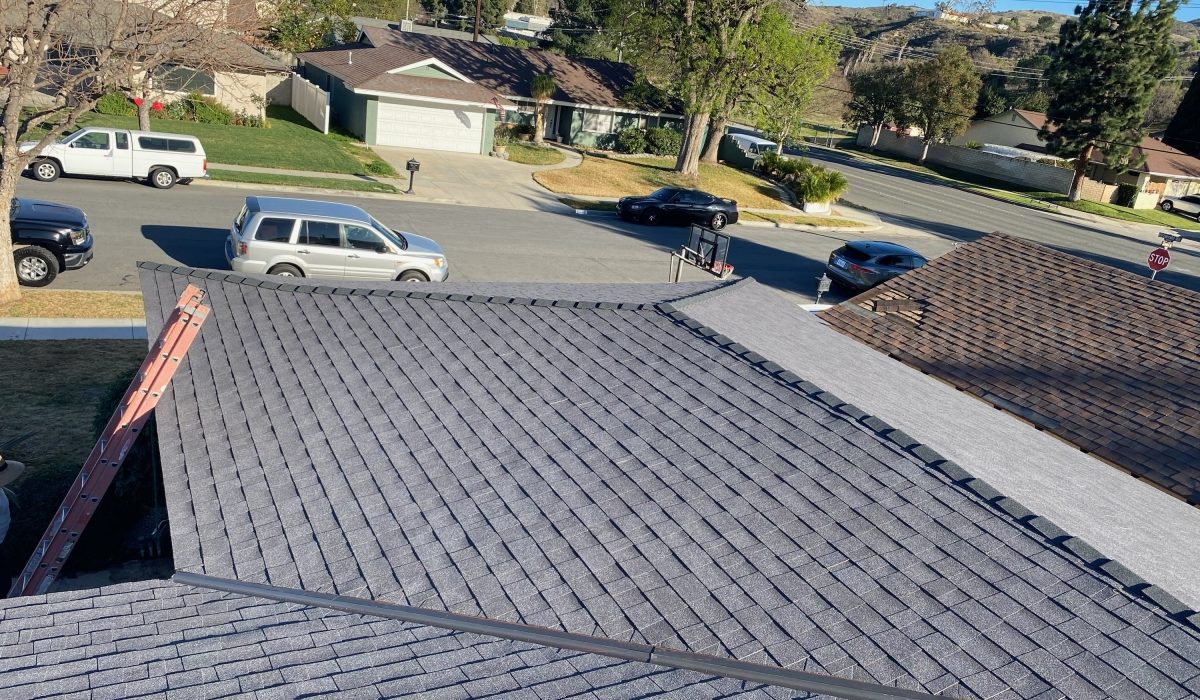
When a severe storm hits Los Angeles, the aftermath on your roof can be overwhelming. Hail dents, missing shingles, or leaks might seem like small issues at first—but left unchecked, they can lead to bigger problems. This guide will help you understand what to do when storm damage strikes, so you can protect your home and peace of mind.
Identifying Signs of Storm Damage Roof Repair
When you suspect your roof is damaged after a storm, it’s smart to start with a quick inspection. Here’s what to look for:
Loose or missing shingles: These are telltale clues that wind blew parts of your roof away.
Granules in gutters: Asphalt shingles shed granules; if you see lots in the downspout, replacement may be needed.
Dents or impressions: Hail can leave small divots, which often lead to leaks.
Soft spots or sagging: That means your roof deck may be wet or rotting.
Spotting early signs lets you take action before small issues turn into emergencies.

Why Timely Storm Damage Roof Repair Matters
Fixing a damaged roof quickly isn’t just about appearance—it can save both money and stress:
Ways you benefit from quick repairs:
Prevent leaks that cause water damage and mold.
Maintain energy efficiency by keeping insulation intact.
Avoid big repair bills from escalating issues.
Protect your insurance claims—delays could weaken your case.
Focusing on storm damage roof repair early keeps your home safe and your costs down.
What to Do Right After Storm Damage
As soon as the storm passes, follow these steps:
Stay safe: Never climb onto your roof right after a storm—wait until conditions improve.
Keep debris off the roof: Remove branches or loose debris to stop further damage.
Take photos from the ground: Capture evidence for insurance and contractor assessment.
Contact a professional: An expert from the trusted roofing company can help inspect and plan repairs.
A good contractor provides reassurance and guidance from day one.
Choosing the Right Roofing Contractor in Los Angeles
Picking the right contractor is key to a smooth repair process. Look for someone who:
Is local and experienced with LA’s weather and building codes.
Offers emergency support—sudden leaks can’t wait.
Provides licensed, insured services for homeowner safety.
Communicates clearly and honestly—they should answer your questions without jargon.
A reliable example is this trusted local team that’s familiar with storm damage roof repair and offers comprehensive solutions.
The Storm Damage Roof Repair Process Explained
Once you hire a contractor, here’s what you can typically expect:
Inspection & estimate
Professional check of the structure, shingles, and flashing.
Documentation for insurance and repair estimate.
Tarping or temporary fixes
Quick solutions to stop leaks until permanent repairs can begin.
Damage removal
Old shingles and debris cleared carefully to prepare for new material.
Repairs or replacement
Damaged sections are repaired—or the entire roof replaced, if needed.
Cleanup & final inspection
Site is cleaned, and a final walkthrough ensures you’re satisfied.
Quick Reference Table: Typical Timeline
| Phase | Timeframe |
|---|---|
| Inspection | 1–2 days |
| Temporary protection | Immediately |
| Repair work | Several days–week |
| Cleanup & inspection | 1 day |
Timeframes can vary based on damage severity and weather.
Emergency Options When Damage Worsens
If your roof is leaking badly or parts have collapsed, you may need fast response. That’s where emergency roof repair services come in handy. They offer:
Rapid onsite evaluation
Quick temporary fixes to stop leaks
Fast follow-up to plan full repairs
Acting fast prevents interior damage and protects your structural integrity.
How Insurance Covers Storm Damage Roof Repair
Here’s how many homeowner insurance policies handle roof damage:
Covers wind, hail, and storm damage generally.
Requires you to submit estimates and photos promptly.
Might come with a deductible or coverage limits.
Pro tip: Keep a digital folder with photos, contractor estimates, and communication. This makes it easier to file a claim and show progress.
DIY vs. Hiring a Pro
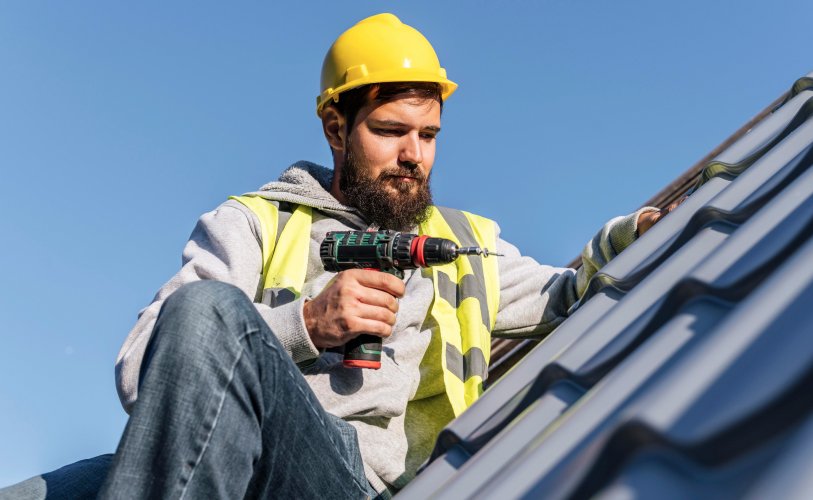
While small fixes like replacing a shingle seem doable, serious storm damage roof repair is better left to professionals:
DIY risks: Falls, improper sealing, voided warranties
Pro perks: Full safety gear, proper materials, code compliance
Unless it’s a tiny issue, getting a licensed contractor is safer and more reliable.
Preventing Future Storm Damage
Once repairs are done, you can reduce future storm impact:
Roof maintenance: Inspect after wind or seasonal changes.
Reinforced materials: Use impact-resistant shingles for better protection.
Proper ventilation: Helps prevent shakes, curling, and premature wear.
Secure flashings & gutters: These can blow out and cause leaks.
Small regular checkups go a long way in avoiding big headaches later.
What to Ask Your Roofing Contractor
Use this checklist when talking to a contractor:
How many years have you handled storm damage roof repair in LA?
Can you provide recent project photos or local references?
Are you available for emergency calls?
Do you handle insurance documentation on my behalf?
What materials and warranty do you offer?
Asking things like this helps pick a trustworthy expert.
Finding Trusted Local Experts
If you want to visit a local office or showroom, use this link:
Click here for location and directions
Going in person gives reassurance and clarity to start your repair journey.
Take the Smart First Step
Storm damage roof repair isn’t just about fixing shingles—it’s about keeping your home safe and dry. When you notice damage:
Document it.
Connect with an experienced local contractor.
Tackle the work swiftly, from temporary fixes to full repair.
Learn from the experience and prep for next time.
Needing a trusted team in Los Angeles? Call today to inspect your roof, handle insurance, and restore your home—so you can focus on what matters most.