

- By Smile Roofing
- Roofing Tips
- 0 Comment
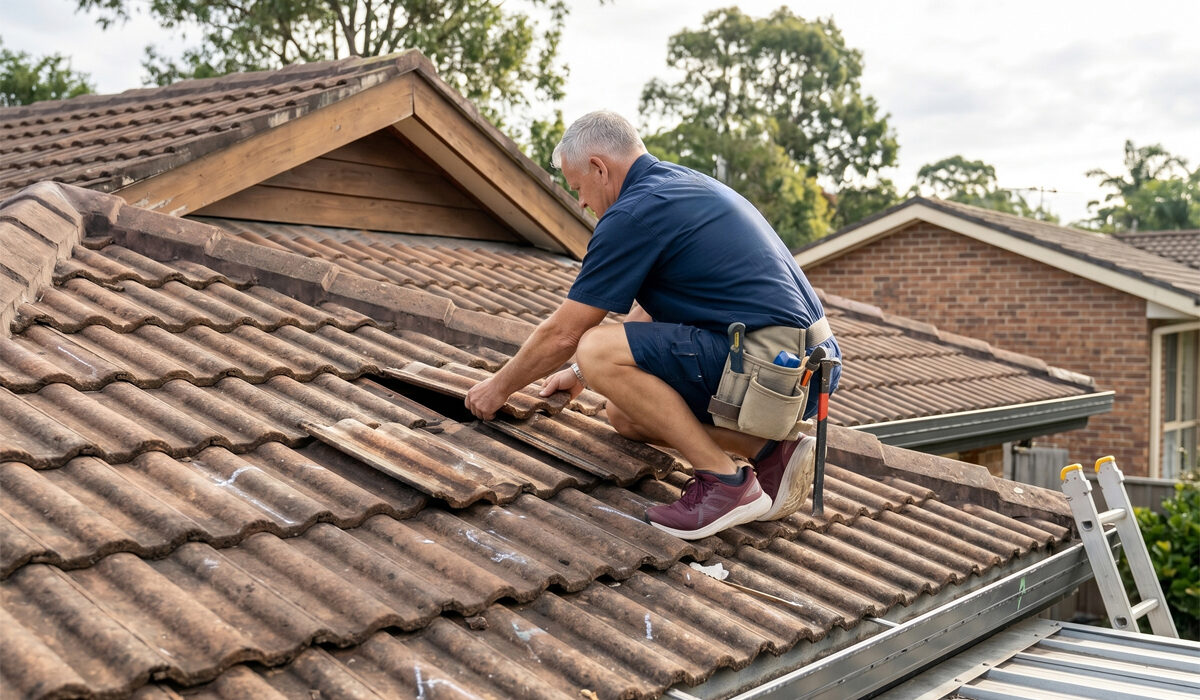
Roof repair costs become easier to understand when the estimate is separated into the parts that actually shape the work. A roof repair is not only a patch, a replacement piece, or a short visit on the roof. It is a combination of diagnosis, skilled labor, compatible materials, safe access, property protection, and final weatherproofing.
A single roof leak can look simple from inside the home. A stain appears on the ceiling, a few shingles are missing, or water shows up near a vent after heavy rain. But the roof may tell a different story. The problem could be above the stain, several feet away from it, or hidden under tile, membrane, flashing, or underlayment. That is why a clear repair estimate should explain what is being corrected, what materials are being used, and what access conditions affect the work.
When labor, materials, and access are separated, homeowners can compare roof repair options with more confidence. Instead of judging an estimate by the final total alone, they can see whether the scope is complete, whether the materials fit the roof system, and whether the repair plan accounts for the real conditions on the property.
Roof Repair Pricing Becomes Clearer When the Estimate Is Broken Into Real Work Categories
A roof repair estimate should help a homeowner understand the reason behind the work, not just the result of a calculation. The most useful estimates separate the roof repair into categories that reflect how roofing work is actually performed.
Labor covers the time, skill, setup, troubleshooting, repair work, cleanup, and quality checks required to complete the job. Materials include the visible roofing product as well as the hidden components that help shed water, seal vulnerable transitions, and protect the structure. Access includes the physical conditions that affect how safely and efficiently roofers can reach the repair area.
A homeowner who receives one lump-sum price may not know whether the estimate includes proper flashing work, underlayment repair, disposal, safety setup, or only a surface patch. A more transparent estimate gives each part of the repair a clear purpose.
Why the Same Leak Symptom Can Lead to Different Repair Scopes
Two homes can show the same ceiling stain and still need different repair approaches. One may have a cracked pipe boot that can be corrected at the penetration. Another may have deteriorated underlayment beneath tile or a flat roof seam that is letting water travel before it reaches the interior.
Roof shape, roof age, roof type, previous repairs, weather exposure, and drainage all influence the repair scope. A stain near a hallway does not always mean the roof opening is directly above that hallway. Water can move along framing, insulation, valleys, wall transitions, and underlayment before becoming visible indoors.
That is why a careful inspection matters before any repair scope is treated as final. A no-pressure roof inspection gives homeowners a better starting point because it focuses first on identifying the actual issue rather than guessing from the visible symptom alone.
The Three Cost Buckets Behind a Responsible Roof Repair Estimate
A practical roof repair estimate usually depends on three core categories:
Labor: Diagnosis, setup, removal, repair, sealing, cleanup, and workmanship checks.
Materials: Shingles, tiles, membrane, underlayment, flashing, sealants, fasteners, vents, boots, coatings, or related components.
Access: Roof height, slope, layout, staging space, safety equipment, obstacles, and the difficulty of moving materials to the repair area.
These categories overlap during the actual work. A steep roof increases labor time. A fragile tile roof changes access planning. A flat roof with rooftop equipment may require more careful material staging. Separating the categories does not make the repair less connected, but it does make the estimate easier to understand.
Labor Costs Reflect Diagnosis, Skill, Safety, and Workmanship
Labor is often misunderstood because it is easy to picture only the visible repair. A homeowner may see a few missing shingles or one cracked tile and assume the job is limited to replacing that visible piece. In practice, labor includes the process of finding the failure, preparing the area, protecting nearby roof surfaces, completing the repair, and checking that the roof is ready to shed water properly.
Roof repair is skilled work because the roof is a system. Shingles, tiles, membranes, flashing, vents, valleys, and wall transitions must all direct water away from vulnerable areas. Labor pays for the expertise needed to repair the cause without creating another weak point.
Roof Repair Labor Starts Before Materials Are Removed
Before removing anything, roofers must determine how to approach the problem safely and accurately. That may include placing ladders, checking roof walkability, identifying fragile areas, reviewing the roof slope, locating penetrations, and tracing likely water paths.
The first visible damage is not always the first repair step. The surrounding area may need to be inspected for loosened fasteners, deteriorated sealant, lifted edges, cracked flashing, or hidden moisture signs. On older roofs, surrounding materials may be brittle enough that aggressive removal could cause additional damage. Good labor includes restraint, judgment, and careful sequencing.
Small Repairs Can Still Require Meaningful Setup
A small repair area does not always mean a simple visit. Roofers still need safe access, tools, materials, protection for the property, and time to prepare the repair zone. If a repair involves a vent, chimney, valley, skylight, or roof edge, the labor may include detailed flashing work that takes more care than the size of the visible issue suggests.
Minimum labor needs exist because the contractor is not only paying for minutes spent fastening a component. The work includes mobilization, inspection, setup, cleanup, and accountability for the repair method.
Leak Detection Often Requires More Skill Than the Patch
The most expensive roof repair mistakes often begin with repairing the wrong spot. Water can enter through a small opening and travel along hidden surfaces before appearing indoors. A ceiling stain may be caused by a flashing issue, failed sealant, deteriorated underlayment, a pipe boot, a valley, or a damaged roof-to-wall connection.
Why Surface Patching Can Create Repeat Problems
A surface patch may temporarily slow water, but it does not always restore the roof’s water-shedding design. Excessive sealant can crack, trap moisture, or interfere with drainage. Covering a symptom without correcting the pathway may allow water to keep moving under the surface.
A responsible labor scope focuses on cause, not cosmetics. It asks where the water enters, why that point failed, and what surrounding components must be corrected for the repair to hold under real weather conditions.
Material Costs Depend on Roof System Compatibility and Hidden Waterproofing Layers
Materials are more than the part of the roof that can be seen from the ground. A repair may involve shingles, tile, membrane, coating, flashing, underlayment, fasteners, pipe boots, drip edge, ridge caps, starter strips, sealants, or reinforcement materials.
The right material depends on the existing roof system. A product that works on one roof may not be appropriate for another. Compatibility matters because roofing components expand, contract, shed water, and bond differently. A repair should not simply cover the problem. It should integrate with the roof that is already there.
Visible Roofing Materials Are Only One Layer of Protection
The top layer of a roof is important, but it is rarely the only defense. Underlayment helps protect beneath shingles or tile. Flashing directs water away from transitions. Sealants protect specific joints and penetrations. Fasteners secure components in a way that resists movement.
A repair that replaces only the visible top layer may be incomplete if the waterproofing layer underneath has failed. This is especially important when damage appears after long-term wear, repeated leaks, or previous patching.
Asphalt Shingle Repair Depends on Condition, Matching, and Surrounding Flexibility
Asphalt shingle repairs often involve missing, lifted, cracked, or wind-damaged shingles. The visible fix may appear straightforward, but the surrounding roof condition matters. Older shingles may become brittle. Seal strips may no longer bond well. Nearby shingles can tear during removal if they have lost flexibility.
When discussing repair options for asphalt surfaces, the broader roof system should be considered along with individual replacement pieces. Homeowners reviewing shingle roofing service options can better understand how shingle roof work is tied to the condition of the existing roofing layers, not only the appearance of the damaged tab.
Why One Missing Shingle Can Involve Nearby Components
Replacing one shingle may require lifting surrounding shingles, removing nails, checking the underlayment beneath, and resealing the overlap. If nearby pieces are brittle or damaged, the repair may need to include more than the missing piece to avoid leaving weak edges around the repair area.
Flat Roof Repairs Require Continuity Across the Waterproofing Surface
Flat and low-slope roofs behave differently from steep-slope roofs. Water may drain more slowly, collect near low spots, or stress seams and transitions. Because of this, flat roof repairs must pay close attention to waterproofing continuity.
A patch that ignores ponding, seams, rooftop equipment, parapet walls, or drainage paths may not address the underlying issue. Material compatibility also matters because coatings, membranes, adhesives, and reinforcement materials must work with the existing flat roof surface.
A discussion of flat roofing service solutions belongs in this context because flat roof work is connected to system-wide waterproofing, not just isolated surface coverage.
Drainage Is Part of the Repair Conversation
When water sits on a flat roof, it can accelerate wear at seams, transitions, and low points. The repair plan should consider whether the visible failure is a material problem, a drainage problem, or both. Ignoring drainage can make a fresh patch work harder than it should.
Tile Roof Repairs Separate Surface Damage From Underlayment Performance
Tile roofs can be misleading because the visible tile is not always the full waterproofing story. Tiles shed water and protect the roof surface, but underlayment beneath them plays a major role in resisting water intrusion. A cracked tile may be visible, while worn underlayment or flashing may be the real source of a leak.
Tile also changes labor and access. Roofers must move carefully to avoid breaking surrounding pieces. Matching tile can be more complex when older profiles, colors, or styles are involved. Homeowners comparing tile roofing service considerations should keep in mind that tile work often involves both the surface material and the hidden layers below it.
Broken Tile Replacement Is Not Always Leak Repair
A broken tile can allow water to reach areas it should not, but simply replacing the tile may not solve the leak if the underlayment, flashing, or nearby transition has already been compromised. A proper repair checks both the tile and the water-control layer beneath it.
Access Conditions Can Change the Work Even When the Repair Area Looks Similar
Access is one of the least visible roof repair cost factors, but it can strongly influence the work. A repair on a low, walkable roof with clear staging space is different from a repair on a steep, multi-story roof with fragile materials and limited property access.
Access affects how roofers reach the damage, move materials, protect the home, set up safety equipment, and complete the repair without causing new damage.
Roof Height, Pitch, and Layout Influence Labor Movement
Steeper roofs require slower, more controlled movement. Multi-level homes may require additional ladder planning. Complex roof layouts with valleys, dormers, skylights, chimneys, and wall transitions can make the repair area harder to reach.
The same damaged vent or flashing detail may require different effort depending on whether it sits near a simple roof edge or in the middle of a steep roof plane surrounded by obstacles.
Property Conditions Affect Staging and Safety
The area around the home also matters. Tight driveways, narrow side yards, patios, pools, landscaping, solar equipment, exterior walls, and hillside conditions can all affect access. Materials may need to be carried farther. Ladders may need more careful positioning. Certain roof areas may require extra protection before work begins.
Access planning is not a luxury. It is part of doing roof work safely and responsibly.
Measurement Data Can Reduce Guesswork Before Repair Planning
Accurate roof information helps clarify roof size, slope, number of planes, and layout complexity. While an on-site inspection remains important for diagnosing damage, measurement data can support better planning and more organized discussions about material needs and access conditions.
A detailed satellite roof report can be useful when roof dimensions, pitch, and layout complexity need to be reviewed before decisions are made about repair scope or broader roofing work.
A Clear Roof Repair Quote Should Explain the Scope, Not Just the Total
A roof repair quote should give homeowners enough information to understand what is included. The goal is not to overwhelm the reader with technical language. The goal is to make the repair decision fair, practical, and based on the real roof condition.
A quote that separates diagnosis, labor, materials, and access helps homeowners compare scope rather than guessing which contractor included what. It also helps avoid misunderstandings after work begins.
What a Useful Roof Repair Quote Should Identify
A clear roof repair quote should address the most important parts of the job in plain language. The following details make the estimate easier to evaluate:
The roof section or repair area being addressed
The suspected or confirmed source of the problem
The labor steps included in the repair
The materials expected to be used
Any access or safety considerations
Cleanup and debris handling
Conditions that may change once damaged materials are opened
Any workmanship or service terms included with the repair
Weather-related limitations that may affect how the work is performed
These details help homeowners understand the difference between a temporary patch, a focused repair, and a more involved correction.
Vague Estimates Can Hide Important Differences
A lower estimate is not automatically worse, and a higher estimate is not automatically better. The real question is whether the estimate explains the work clearly. A vague quote may leave out flashing, underlayment, disposal, access setup, or possible hidden damage conditions.
A more detailed quote may reveal that one contractor is addressing the cause while another is only covering the symptom. Homeowners should not have to decode the repair scope from a single sentence.
Written Pricing Helps Homeowners Compare Real Repair Scope
A written estimate creates a shared reference point between the homeowner and the roofing contractor. It can identify what is included, what is not included, and what may need review if hidden damage appears after materials are lifted.
Requesting a written roofing estimate supports better decision-making because the homeowner can evaluate the repair by scope, method, materials, and access needs rather than relying on a verbal total alone.
Common Roof Repair Scenarios Show How Labor, Materials, and Access Work Together
Roof repairs become easier to understand when common scenarios are separated into their main cost drivers. The table below does not assign prices because responsible repair planning depends on the actual roof condition. Instead, it shows why similar-looking problems can require different work.
| Repair Scenario | Labor Driver | Material Driver | Access Driver | Why the Scope Can Vary |
|---|---|---|---|---|
| Missing asphalt shingles | Removal, replacement, sealing, and blending | Matching shingles, nails, sealant, related edge pieces if needed | Roof slope, repair height, and shingle condition | Nearby shingles may be brittle or loose |
| Pipe boot or vent leak | Leak tracing and penetration repair | Boot, flashing, sealant, underlayment patch if needed | Placement near ridge, valley, or steep roof area | Penetrations must be integrated into the water-shedding system |
| Chimney or wall flashing issue | Detailed water-path diagnosis and flashing work | Metal flashing, counterflashing, sealant, underlayment | Height, masonry access, and surrounding roof planes | Flashing failures often involve more than one layer |
| Flat roof seam or ponding concern | Surface prep, seam work, drainage review | Compatible membrane, coating, seam reinforcement | Rooftop equipment, parapets, drains, and roof traffic | Waterproofing must remain continuous |
| Broken or slipped tile | Careful removal, reset, and inspection below | Replacement tile, underlayment, flashing if needed | Tile fragility, roof slope, and walking path | The visible tile may not be the leak source |
| Valley leak | Tear-back, inspection, and water-channel correction | Valley metal, underlayment, shingles or tiles | Complex roof intersections | Valleys carry heavy water flow and require precise detailing |
Why Similar Homes Can Receive Different Repair Recommendations
Even when homes appear similar from the street, the roof conditions can differ significantly. One roof may have newer materials, better access, and isolated damage. Another may have older underlayment, previous patching, brittle roofing, or a leak near a difficult transition.
Repair recommendations should reflect what is actually found. A trustworthy estimate does not force every roof into the same solution. It explains why a specific repair method fits the roof in front of the contractor.
When Repair Conversations Become Broader Roofing Decisions
Sometimes repair work reveals larger questions. Multiple leaks, recurring flashing problems, widespread brittleness, soft decking, or aging underlayment may suggest that isolated repair is not the only issue. That does not mean replacement should be assumed. It means the conversation should be honest about whether another repair will provide meaningful protection.
A homeowner deserves a clear explanation of what can be repaired, what cannot be confirmed until materials are opened, and what conditions may affect durability.
Local Roof Conditions Can Influence Labor, Materials, and Access
Roof repair is shaped by the home’s environment. Climate, architecture, property layout, and roof style all affect how damage appears and how repairs should be planned.
In areas with strong sun exposure, roofing materials may age in specific ways. Sealants can dry out, shingles may lose flexibility, coatings can wear, and tile underlayment can deteriorate even when the surface still looks solid. In neighborhoods with hillside homes or tight lots, access can become a major part of the repair plan.
Sun Exposure and Heat Can Change Material Behavior
Roofing materials expand, contract, dry, and weather over time. High sun exposure can make certain materials less flexible. Sealants around penetrations may shrink or crack. Flat roof surfaces may need closer attention around seams and drainage areas. Tile roofs may hide aging underlayment beneath an intact-looking surface.
These conditions do not automatically mean a repair will be complex. They do mean the repair should be evaluated in context instead of treated as a generic patch.
Home Layout Can Make Access More Involved
Many homes include combinations of roof types, levels, and architectural details. A property may have tile over one section, shingles over another, and a flat roof area over an addition or garage. Skylights, chimneys, solar panels, HVAC equipment, parapet walls, or narrow side yards can all affect how the repair is planned.
Working with roofing help for area homeowners can support a more practical repair discussion because local roof conditions, access realities, and common material issues are part of the evaluation.
Hidden Conditions Can Change the Repair Scope After the Surface Is Opened
Some roofing problems cannot be fully confirmed from the surface. A contractor may identify likely damage during inspection, but certain conditions only become visible after shingles, tiles, flashing, or membrane sections are lifted.
This is why a repair estimate should clearly explain known conditions and possible discoveries. Transparency protects both the homeowner and the repair process.
Underlayment Damage Can Extend Beyond the Visible Problem
Underlayment is often hidden, but it plays a critical role in water control. If it is torn, aged, saturated, or deteriorated, the repair may need to extend beyond the visible damaged material.
This is especially relevant on tile roofs, where tiles can remain in place while the waterproofing layer below has aged. It can also matter around valleys, wall transitions, vents, and roof edges.
Decking Problems May Not Be Visible at First
Roof decking sits below the visible roofing system. Soft spots, moisture staining, delamination, or fastener problems may not be obvious until surface materials are removed. If decking damage is found, the repair plan may need to adjust because roofing materials need a stable base.
A clear estimate should acknowledge that hidden substrate conditions may affect the final scope if they are discovered during the repair.
Flashing Failures Can Spread Along Transitions
Flashing protects some of the most vulnerable parts of a roof. Chimneys, skylights, walls, valleys, pipe penetrations, and roof edges all depend on proper flashing details. When flashing fails, water can move under nearby materials before it becomes visible indoors.
A repair that addresses only the first visible opening may miss the larger water path. Good flashing repair considers how water enters, moves, and exits the area.
Transparent Cost Separation Leads to Better Roof Repair Decisions
The best roof repair conversation is not built around pressure or vague promises. It is built around a clear explanation of labor, materials, and access. When those categories are separated, homeowners can see what the repair is meant to accomplish and why each part of the work matters.
Labor explains the skill, diagnosis, safety, and workmanship behind the repair. Materials explain how the roof system will be restored with compatible components. Access explains the real conditions that affect how the work can be performed safely and effectively.
A clear repair scope helps homeowners ask better questions. What is causing the leak? What materials are being replaced? Is flashing involved? Is underlayment visible or hidden? Does roof height, slope, or layout affect the work? What conditions could change once the damaged area is opened?
Roof repair costs are easier to understand when they are connected to the roof’s actual condition. A transparent estimate does more than name a total. It shows how the repair protects the home, what assumptions are being made, and what work is needed to address the problem responsibly.