

Most homeowners assume the only way to secure a longer roof lifespan is to eventually face a costly replacement. While that’s inevitable someday, the truth is you can often add 5 years to your roof with a few small, preventative fixes.
Think of your roof like a car. You don’t wait until the engine seizes to change the oil—you maintain it so it runs longer. Roofs work the same way. By addressing minor issues before they escalate, you prevent water damage, keep ventilation flowing, and ultimately delay the expense of a full tear-off.
Below, we’ll explore five small but mighty fixes—from drip edge to ridge cap—that can extend your roof’s life and keep your home protected.
Why Extending Roof Lifespan Matters
Roof replacement costs can easily climb into the tens of thousands of dollars, making proactive maintenance a smart investment. Extending your roof’s lifespan isn’t just about saving money; it’s also about safeguarding the value and comfort of your home.
A well-maintained roof helps with:
Energy efficiency by regulating heat transfer.
Home value by reassuring potential buyers of durability.
Moisture defense by preventing mold and interior water damage.
Even local building codes encourage regular roof upkeep. The Los Angeles Department of Building and Safety guidelines highlight how proper installation and ongoing maintenance directly impact safety and compliance. In other words, small repairs aren’t optional—they’re essential.
5 Small Fixes That Can Add 5 Years to Your Roof
1. Inspecting and Sealing the Drip Edge
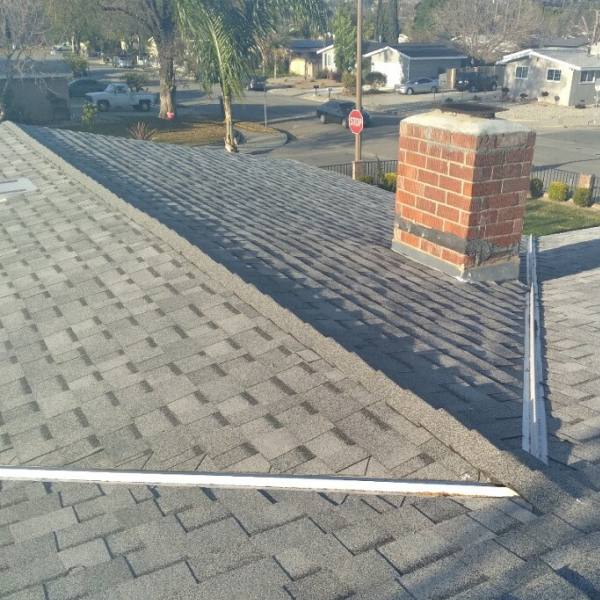
The drip edge is a metal strip installed along the edges of your roof. It might look insignificant, but it plays a big role in directing water away from your fascia and preventing leaks.
Over time, the drip edge can rust, loosen, or develop small gaps. Sealing those gaps with roofing cement or replacing corroded sections prevents water from seeping beneath your shingles. If you’re unsure whether your drip edge is holding up, the best step is to schedule a free roof inspection before problems worsen.
2. Replacing Damaged Shingles
Shingles are the armor of your roof. When even a single one cracks, curls, or goes missing, it exposes the underlayment to sun, wind, and water. That small vulnerability can snowball into major repairs if ignored.
Replacing damaged shingles is relatively affordable compared to patching rotted decking or repairing leaks inside your attic. Whether it’s a handful of shingles or a larger section, catching it early can easily add 5 years to your roof.
3. Cleaning and Securing Flashing
Flashing protects areas where the roof meets vertical structures—chimneys, skylights, and vent pipes. Because flashing is sealed with caulk or roofing cement, it naturally degrades over time.
Loose or cracked flashing is one of the top causes of roof leaks. A quick inspection and resealing can close gaps that water would otherwise exploit. In fact, many professional roofers list flashing repairs as one of the most overlooked yet critical maintenance tasks.
4. Maintaining Gutters and Downspouts
It’s not just what’s on top of the roof that matters—it’s how water drains off of it. Clogged gutters allow water to pool, overflow, and seep into the roof edge, accelerating wood rot and shingle decay.
By cleaning gutters seasonally and ensuring downspouts carry water at least several feet from your foundation, you dramatically reduce water-related roof damage. If you prefer not to tackle ladders and debris yourself, roofing companies often provide comprehensive roofing services that include gutter maintenance as part of their packages.
5. Reinforcing the Ridge Cap
The ridge cap runs along the peak of your roof and is designed to seal the joint between slopes. It not only protects against wind uplift but also promotes proper ventilation—helping your attic release moisture and heat.
Over time, ridge cap shingles can crack or blow off, leaving your roof vulnerable. Replacing these with fresh, properly installed ridge cap shingles ensures your roof keeps its structural integrity and airflow. This is one of those small repairs that pays off big in extended roof health.
When to Call in the Pros
Some fixes—like cleaning gutters or replacing a few shingles—can be handled by a capable homeowner. But when you spot widespread shingle loss, soft spots in decking, or significant flashing gaps, it’s time to bring in experts.
Professional inspections catch the issues you can’t see from the ground. They also ensure repairs meet safety codes and use proper materials. Investing in a qualified roofer saves you from trial-and-error mistakes that could shorten your roof’s lifespan instead of extending it.
How Small Fixes Add 5 Years to Your Roof’s Life Expectancy
None of the fixes above require tearing off your roof. They’re relatively inexpensive steps that together act like an insurance policy against premature roof failure.
When you:
Seal the drip edge,
Replace damaged shingles,
Secure flashing,
Maintain gutters, and
Reinforce the ridge cap—
—you’re not just patching problems. You’re buying your roof more time, protecting your home’s interior, and maximizing your investment.
The takeaway is simple: regular maintenance can add 5 years to your roof. And the longer you delay major replacement, the more value you get out of your existing roof.