

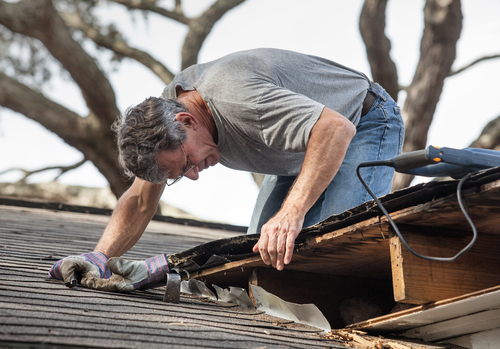
When winter rolls in, your roof becomes the frontline defense against snow, ice, wind, and freezing rain. While it’s easy to put off roof maintenance until spring, that delay often leads to costly damage. Small problems multiply quickly under harsh conditions, which is why focusing on repairs that will save your roof before winter is essential.
Think of it like preparing your car for a long road trip—you wouldn’t ignore a warning light on the dashboard. The same goes for your roof. A little preparation now can prevent leaks, structural problems, and unexpected expenses later. With a proactive approach—and the right professional help—you’ll keep your home safe, warm, and protected all season long.
Why Winter Roof Preparation Matters
Winter is tough on homes, but especially on roofs. Snow piles up, water freezes and expands in small cracks, and icy winds test every loose shingle. Here are some of the biggest risks:
Ice dams form when warm air escapes from your attic, melting snow that refreezes at the eaves. This creates a ridge of ice that traps melting water, forcing it under shingles.
Snow load puts heavy pressure on your roof structure, especially if snow isn’t sliding off easily.
Water infiltration sneaks through even small gaps in flashing, valleys, or shingles, leading to interior leaks and mold growth.
Wind damage lifts shingles and exposes underlayment, inviting more serious water damage.
Neglecting these problems isn’t just inconvenient—it’s expensive. A simple leak left unrepaired can turn into rotted decking, damaged insulation, or even a collapsed section of roof. Following local building codes, like those set by the Los Angeles Department of Building and Safety, ensures your home meets safety standards while minimizing long-term risks.

9 Essential Repairs That Will Save Your Roof
1. Shingle Replacement Before Snow Hits
Damaged or missing shingles are like leaving your front door open in a storm. Snow and rain seep through unprotected areas, soaking the underlayment and weakening your roof’s defense. Replacing cracked or curled shingles before the first snow ensures water stays outside where it belongs.
2. Sealing Chimney Flashing
Flashing is the thin metal material around chimneys, skylights, and vents. When it bends, rusts, or loosens, water finds a direct path inside. Sealing or replacing flashing in the fall prevents the freeze-thaw cycle from turning small leaks into major problems.
3. Clearing and Repairing Gutters
Clogged gutters are the #1 cause of ice dams. When water can’t flow freely, it backs up, freezes, and pushes under shingles. Cleaning gutters and repairing sagging sections ensures proper drainage. A free roof inspection often includes a gutter check, which can save you from expensive water damage later.
4. Fixing Roof Ventilation Problems
Many homeowners overlook ventilation, but it’s a hidden hero in preventing winter roof damage. Poor airflow traps heat in the attic, melting snow unevenly and creating ice dams. Repairs like adding ridge vents or clearing blocked soffits keep air circulating, reducing both moisture and heat buildup.
5. Repairing Roof Valleys
Roof valleys are where two slopes meet, channeling the most water and snow runoff. If the shingles or flashing here are weak, leaks are almost guaranteed. Repairing valleys before winter strengthens one of the most vulnerable parts of your roof.
6. Replacing Damaged Underlayment
Think of underlayment as your roof’s safety net. If shingles fail, underlayment stops water from reaching the wood deck. Torn or worn underlayment won’t hold up under winter stress. Replacing it in targeted areas can prevent widespread damage and extend your roof’s lifespan.
7. Securing Loose Shingles and Fasteners
A single loose shingle doesn’t seem like much—until a winter storm rips it away and exposes a whole section of roof. Securing fasteners and reattaching loose shingles is a quick fix that prevents far bigger repairs later.
8. Reinforcing Roof Edges and Eaves
Edges and eaves take the brunt of winter weather. They’re where ice dams form, where snow piles up, and where strong winds lift shingles. Reinforcing these areas adds an extra layer of durability, keeping the most exposed parts of your roof secure.
9. Checking Skylight and Vent Seals
Skylights and roof vents are convenient entry points for light and air—but also for water. Rubber seals around them crack in cold temperatures, allowing leaks inside. Replacing worn seals before winter ensures these features remain an asset instead of a liability.
Professional Help vs. DIY: Making the Smart Choice
Some repairs might look easy, but climbing on a roof in cold or icy weather is risky. Beyond personal safety, DIY fixes often miss hidden issues like structural weaknesses or improper ventilation. Licensed professionals, on the other hand, bring expertise, warranties, and the right tools to handle repairs efficiently.
If you’re not sure where to start, consider scheduling a roofing service. A professional team can quickly identify which repairs will save your roof and complete them before winter storms hit.
How Repairs That Will Save Your Roof Protect Your Investment Long-Term
Investing in small roof repairs now pays off in multiple ways:
Cost Savings: Preventing leaks is always cheaper than repairing widespread water damage or replacing structural components.
Energy Efficiency: A well-sealed, properly ventilated roof reduces heating costs by preventing warm air from escaping.
Property Value: A sturdy, well-maintained roof boosts curb appeal and reassures potential buyers if you ever decide to sell.
Insurance Benefits: Insurers often look favorably on proactive maintenance, and some may deny claims if damage could have been prevented.
In short, timely repairs protect both your home and your wallet.
How Repairs That Will Save Your Roof Shape the Future of Winter Roofing Preparedness
As roofing technology evolves, future-proofing your home will become even easier. New materials like synthetic shingles, impact-resistant underlayment, and smart ventilation systems will offer added resilience against harsh winters.
But no matter how advanced materials get, one truth remains: repairs that will save your roof are always about being proactive. Taking action before winter weather strikes ensures peace of mind and prevents damage that could take months (and thousands of dollars) to fix.
So as winter approaches, don’t wait until the first storm to think about your roof. Schedule an inspection, take care of essential repairs, and give your home the protection it deserves.