

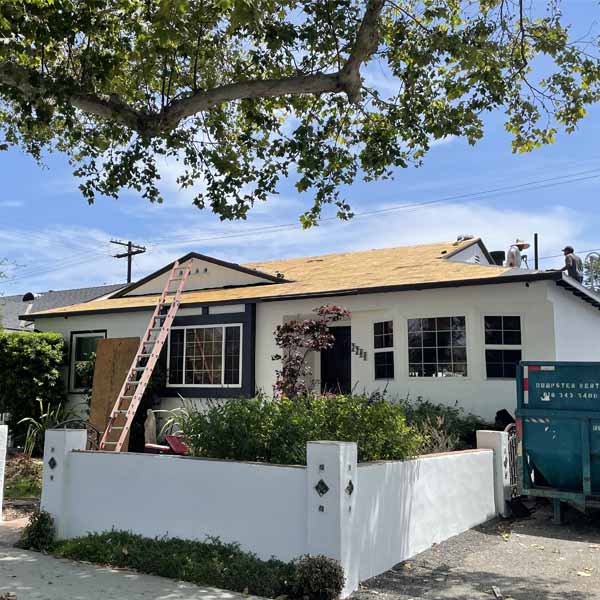
Los Angeles weather brings unique challenges and opportunities for homeowners. Choosing the best roofing materials means balancing durability, energy efficiency, and curb appeal. Here’s a helpful guide based on real-world experience and trusted expertise.
Why choosing the right roofing matters in LA
Los Angeles features hot summers, occasional rains, and strong sunshine. That means your roof needs to:
Withstand heat, UV rays, and temperature swings
Provide energy-efficient cooling
Offer a long lifespan with minimal maintenance
Match the local aesthetic
1. Clay and Concrete Tiles – Proven and durable
Clay and concrete tiles are classic for California homes. They:
Last 50–100 years with proper care
Hold up to extreme heat and UV exposure
Naturally allow airflow underneath which keeps interiors cooler
These are heavy (8–10 pounds per sq ft), so roof framing must be strong enough. If your home qualifies, tile roofing is a smart, lasting option.
2. Metal Roofing – Light, reflective, stylish
Metal roofs come in standing seam panels or metal shingles. Here’s why they can be the best roofing materials for LA:
Reflect solar heat, lowering cooling costs
Lightweight and easier to install
Last 40–70 years with minimal upkeep
Work well with solar panel installations
Available in sleek, modern styles or classic looks, metal offers the right balance of function and form.
3. Asphalt Shingles – Cost-effective and versatile
Asphalt shingles are the most common roofing material in the U.S. In LA, they:
Are affordable ($1.50–$4 per sq ft installed)
Come in many styles and colors
Last 20–30 years
Are easy to repair or replace
Upgrading to architectural or laminate asphalt shingles improves durability and curb appeal while keeping costs reasonable.
4. Synthetic Roofing – Durable and environmentally smart
Synthetic options mimic slate, wood shake, or tile but weigh less. Key benefits:
Approximately 50-year lifespan
Lighter and easier to install than natural materials
Often created with recycled content
Offer relief from heat and moisture
This is another solid contender for best roofing materials, especially for homeowners seeking style and performance without high weight.
5. Built-Up and Modified Bitumen – Flat roof favorites
For flat or low-slope roofs, these materials shine:
Multiple layers of tar and gravel (built-up)
Rubberized asphalt with modifiers (modified bitumen)
Benefits include:
Strong waterproofing
Easy to patch
Durable (20–30 years for built-up; 15–20 for modified bitumen)
These are particularly suited to patios, decks, and simple roof designs.
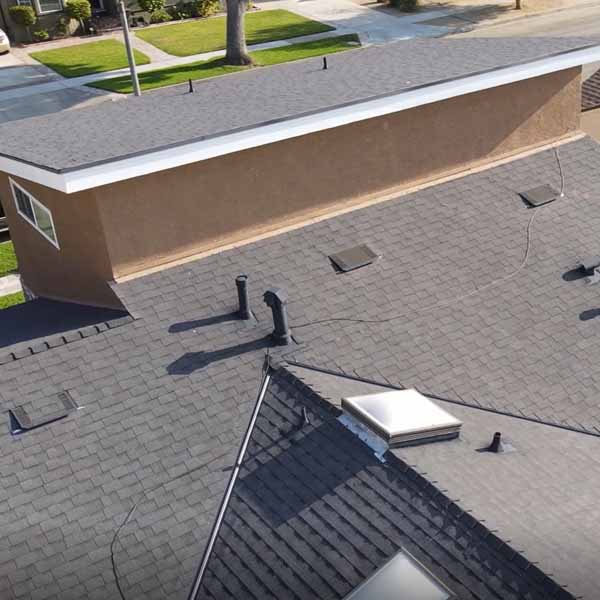
Comparing LA-Friendly Roof Materials
| Material | Lifespan | Weight | Energy Efficiency | Aesthetics |
|---|---|---|---|---|
| Clay/Concrete Tile | 50–100 years | Heavy (8–10 lb) | Great natural cooling | Mediterranean charm |
| Metal | 40–70 years | Light (1–3 lb) | High reflectivity | Modern or classic |
| Asphalt Shingles | 20–30 years | Moderate | Varies by type | Many color/patterns |
| Synthetic (Slate/Shake look) | ~50 years | Light–Moderate | Good insulation options | High-end visuals |
| Built-Up / Mod Bitumen | 15–30 years | Moderate–Heavy | Good for flat designs | Functional flat look |
How to select the best roofing materials
Check roofing structure
Consult a licensed contractor to assess if your roof can support heavy materials like clay tile.Evaluate energy savings
Metal, tile, and certain synthetics offer reflective coatings that can lower your electricity bills. Consider pairing with solar work.Set budget and lifespan goals
Asphalt shingles cost less upfront but may need replacing sooner. Tiles or metal cost more initially but pay off long-term.Match visual style
Choose a material that complements your home’s architecture—Spanish-style homes look stunning with clay tile, while craftsman-style homes may suit asphalt or metal shingles.Consider maintenance and warranty
Some materials need periodic inspections or sealing. Always review the manufacturer warranty and have a trusted contractor handle installation.
Need a reliable professional to handle your roof upgrade in Los Angeles? For top-rated support, contact Smiling Roofing to schedule a visit and estimate roofing contractor in Los Angeles. Their licensed teams ensure installation meets code and weather standards.
Or explore Smiling Roofing’s service offerings including repair, maintenance, and full replacement options on their main page. They also provide options for reducing your home’s energy use—learn more about energy-efficient roofing options.
Keep track of your project’s progress and connect with them easily via their office location on Google Maps Smiling Roofing office.
Choosing the right material helps you:
Increase home comfort during LA’s hot months
Lower energy usage by reflecting heat
Make a long-term investment in your home
Enhance your neighborhood appeal
By matching materials with your home’s structure, style, and budget, you lock in smart, long-lasting roofing for years to come.