

- By Smile Roofing
- Roofing Tips
- 0 Comment
Installing a new layer of asphalt shingles over an existing roof is often called a roof overlay or reroof. It can seem like a simple way to update an aging roof because it avoids a full tear off. Still, the lower upfront scope does not make it the right choice for every home.
The cost to install asphalt shingles over existing shingles depends on more than the roof’s square footage. The current roof condition, number of existing layers, roof pitch, materials, ventilation, flashing, local requirements, and access all affect what the project involves.
For homeowners, the most important question is not only whether an overlay costs less at the beginning. It is whether the existing roof provides a sound base for another layer and whether the decision supports the home’s longer term needs.
Smile Roofing provides roofing information and project support for homeowners who want a clearer understanding of their options before moving ahead.
What It Means to Install Shingles Over Existing Shingles
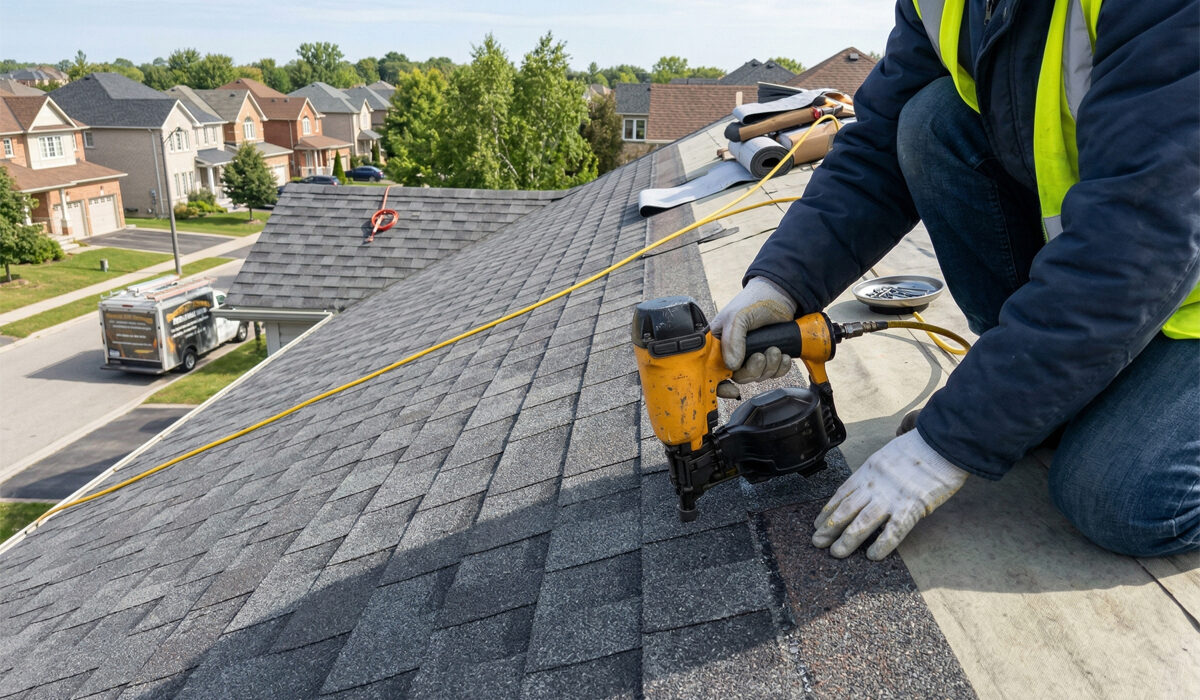
A roof overlay places new asphalt shingles directly on top of an existing shingle layer. The existing shingles stay in place while the new roofing materials are installed above them.
This approach can reduce labor because the old shingles do not need to be removed and disposed of first. It may also shorten the amount of work involved on the surface of the roof. However, an overlay does not give the roofing team the same opportunity to inspect the roof deck and underlayment as a full tear off.
A complete replacement removes the existing roofing layers down to the deck. That process allows the installer to inspect the surface beneath the shingles, replace damaged decking where needed, and install new underlayment before the new shingles go on.
Why the Existing Roof Condition Matters First
An overlay depends on the existing roof being in acceptable condition. If the current roof has widespread curling, soft spots, trapped moisture, active leaks, uneven areas, or visible deterioration, adding a new layer may cover a problem rather than address it.
Old shingles can also create an uneven base. New shingles may follow the shape and texture of the existing layer, which can affect the finished appearance. A professional assessment helps determine whether the roof surface is suitable for a second layer.
The Main Factors That Affect Project Cost
No two roofing projects have the same scope. Even homes with similar roof sizes can require different materials, labor, and preparation.
| Cost factor | Why it affects the project |
|---|---|
| Roof size | A larger roof generally requires more shingles, underlayment, accessories, and labor. |
| Roof pitch and design | Steep slopes, multiple levels, valleys, and complex layouts can require added time and safety measures. |
| Existing roof condition | Uneven shingles, moisture concerns, damaged areas, or prior repairs can change whether an overlay is appropriate. |
| Number of current layers | Local rules and roof weight considerations may limit whether another layer can be installed. |
| Material selection | Shingle style, quality level, color, and required accessories can affect material needs. |
| Flashing and penetrations | Chimneys, skylights, vents, and wall intersections need careful detailing to manage water. |
| Ventilation | Existing attic ventilation should be evaluated because it affects roof temperature and moisture management. |
| Access and site conditions | Driveway access, landscaping, building height, and workspace can influence labor and setup. |
| Local permits and code requirements | Requirements vary by location and may affect whether an overlay is allowed. |
A detailed roofing assessment should look beyond what is visible from the ground. Roof edges, valleys, penetrations, flashing, attic conditions, and signs of moisture all provide useful context before choosing an installation method.
Roof Shape and Accessibility
A simple, low slope roof with broad open sections is usually easier to work on than a roof with many intersecting planes. Dormers, skylights, chimneys, solar equipment, satellite equipment, and multiple valleys create more detail work.
Accessibility also matters. Materials need to be delivered safely, workers need room to move around the property, and the crew may need additional equipment for a tall or difficult to reach roof. These practical details can affect the work even when the roof is not especially large.
Shingle Materials and Roofing Accessories
The shingles are only one part of the roofing system. An installation may also involve starter shingles, ridge caps, flashing materials, ventilation components, sealants, and other accessories needed around roof transitions.
When comparing estimates, it helps to understand what is included. A clear proposal should explain the work scope and identify the materials that will be used. The right material selection depends on the roof design, existing conditions, homeowner preferences, and local requirements.
When an Overlay May Be Considered
A second layer of asphalt shingles may be considered when the roof has only one existing layer, the deck appears sound, and there are no signs of significant moisture or structural concerns. It also needs to comply with applicable building requirements.
An overlay is not simply a material decision. It is a condition decision. The roof beneath the new shingles must be stable enough to support the added layer.
Homeowners considering this option should ask for an evaluation that addresses:
- The number of shingle layers already on the roof.
- Signs of leaks, trapped moisture, or damaged decking.
- The condition of flashing around chimneys, vents, and roof transitions.
- Whether the roof surface is even enough for a new layer.
- Whether attic ventilation needs attention.
- Whether local building requirements allow another roofing layer.
- How a future replacement may be affected by the added layer.
A conversation with Smile Roofing’s team can help homeowners understand the condition of their roof and the practical considerations behind an overlay or full replacement.
Why a Full Tear Off Can Change the Scope
A tear off requires more labor and disposal planning because the old shingles are removed before the new system is installed. That additional work can change the project scope, but it also provides important visibility.
Once the old roof is removed, the roof deck can be examined directly. Damaged wood, moisture staining, loose areas, and other hidden conditions can be identified before the new shingles are installed. New underlayment can also be installed directly on the deck.
A tear off may be the more appropriate option when:
- The roof already has multiple shingle layers.
- There are recurring leaks or visible water damage.
- The existing shingles are heavily curled, brittle, or uneven.
- The roof deck may need repair.
- Flashing details need a more complete reset.
- The homeowner wants a clearer view of the roof structure before replacement.
- Local requirements do not allow another layer.
The right choice depends on the roof itself. An overlay can reduce some immediate labor, while a full replacement may provide a more complete assessment of the roofing system.
Ventilation, Moisture, and Heat Should Not Be Overlooked
Roofing decisions should include attic ventilation and moisture control. Heat and moisture can build up in an attic when airflow is limited, which may affect the roof system over time.
Adding a new layer of shingles can increase the importance of checking how the attic is ventilated. A roofing professional may look at intake and exhaust ventilation, attic insulation, roof penetrations, and signs of condensation or moisture.
Ventilation does not work as a stand alone fix for every roofing concern. It should be evaluated as part of the overall roof and attic condition. If moisture is already present beneath the existing roof, an overlay may not reveal the full extent of the issue.
Flashing and Roof Details Can Influence the Final Result
Shingles cover most of a roof, but water management often depends on the details around them. Flashing is used near chimneys, walls, skylights, vents, valleys, and other transition points where water can collect or change direction.
During an overlay, the condition of these details needs close attention. A new shingle layer does not automatically correct aging flashing or a poorly performing transition. If a roof has a history of leaks around a chimney or vent, the source should be identified before new shingles are installed.
Homeowners can review available roofing services to better understand the types of roofing work that may be relevant to their property.
Existing Roof Layers and Weight Considerations
An existing roof layer adds weight to the structure. A second layer adds more. Building rules often limit the number of roof layers that can remain in place, and a professional should confirm local requirements before planning an overlay.
The number of layers can also affect future work. When the roof eventually needs replacement, all existing layers may need to be removed. That future project can involve more disposal and tear off work than a roof with one layer.
This does not automatically make an overlay a poor choice. It simply means the decision should include both present conditions and likely future maintenance needs.
Questions to Ask Before Approving an Overlay
A useful roofing conversation should go beyond a single total. The best questions help clarify the condition of the existing roof and the work that would be completed.
Consider asking:
- Is the existing roof suitable for a second layer of shingles?
- How many shingle layers are currently on the roof?
- Are there signs of moisture, soft decking, or recurring leaks?
- Will flashing around penetrations and wall transitions be evaluated?
- How will roof ventilation be assessed?
- What materials and accessories are included in the scope?
- Are permits or local requirements relevant to this project?
- What conditions could make a tear off more appropriate?
- How will the work affect a future roof replacement?
For a visual sense of completed roofing work, homeowners can browse recent roofing projects and use those examples to discuss roof styles, colors, and design details.
Getting a Clear Assessment Before Deciding
An accurate decision starts with a roof assessment, not an assumption based on age alone. Two roofs of the same age can have very different conditions depending on ventilation, weather exposure, maintenance, prior repairs, and installation quality.
A free roof inspection can help identify visible concerns and clarify whether the existing shingles appear suitable as a base for another layer. It also gives homeowners a chance to ask about roof details that may affect the work.
When reviewing the proposed scope, focus on what the assessment found. If the roof has hidden issues that cannot be confirmed until old materials are removed, the proposal should explain how those conditions would be handled rather than making assumptions.
Planning for a Roof That Fits the Home’s Needs
Choosing between an overlay and a full tear off is about balancing current roof condition, project scope, local requirements, and long term maintenance. An overlay can be appropriate in certain situations, but it should not be treated as a shortcut around existing roof concerns.
A clear estimate should help homeowners understand the condition of the roof, the materials involved, and the work that is included. It should also leave room for questions about ventilation, flashing, decking, and local requirements.
Homeowners ready to discuss their roof can request a detailed roofing quote or contact Smile Roofing to begin the conversation.