

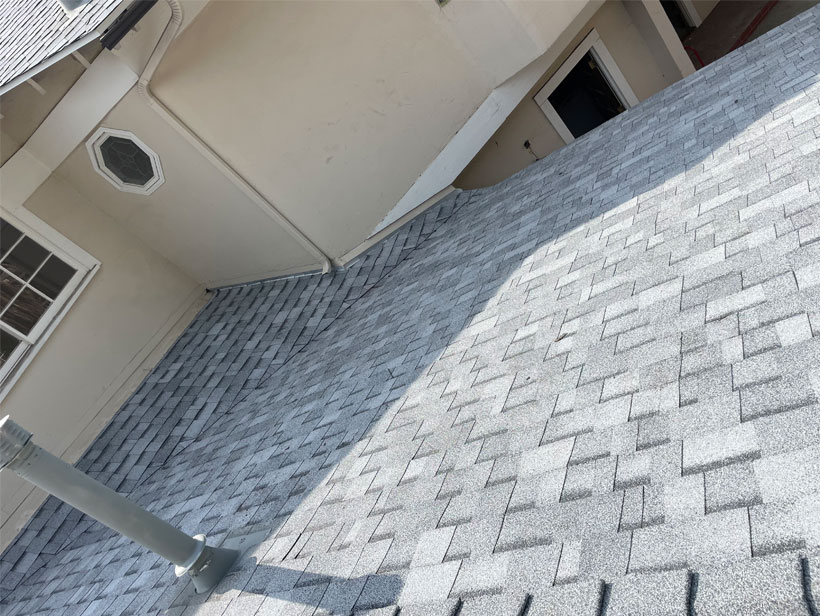
Replacing a roof is one of the largest home improvement investments most homeowners will ever face. While a quote might look straightforward, it rarely tells the entire story. Beneath every estimate are costs tied to structure, compliance, labor, waste, and weather conditions that can push totals far beyond expectations. Knowing what drives those hidden expenses transforms roof replacement from a financial shock into a managed, transparent project that preserves long-term value.
The Real Cost of a Roof Replacement: Why the Estimate Isn’t the Whole Picture
Roof replacement involves much more than laying new materials. Every home has unique structural conditions, ventilation needs, and environmental factors that affect cost. In Los Angeles, roof replacements are shaped by strict codes, specialized labor, and high material transport costs. Understanding these layers helps homeowners see beyond the surface of a quote.
Reading Between the Lines of a Roofing Proposal
A quote often includes materials and base labor, but hidden costs appear in the fine print. Tear-off, disposal, decking repair, scaffolding, and compliance paperwork can be buried or left open-ended. Reviewing every line item with your contractor and confirming inclusions in writing prevents expensive surprises once work begins.
How Local Variables in Los Angeles Influence Pricing
From hillside access challenges to wildfire safety zones, Los Angeles roofs carry unique requirements. Contractors must account for staging on narrow lots, crane access for tiles, and additional inspections under Title 24 energy standards. Factoring these into your planning ensures a realistic budget that reflects your property’s specific conditions.

Structural Surprises Beneath the Surface
Every roof hides its own history. Water intrusion, pest damage, and outdated framing can turn a simple project into a structural repair job once the first layer comes off.
Decking and Sheathing Deterioration
Once shingles or membranes are removed, contractors may find plywood that has softened, warped, or separated. Replacing damaged decking can add material and labor costs on short notice. A home built before the 1980s is particularly prone to this, as older roof systems often lacked modern ventilation and moisture barriers.
Framing Reinforcements for Modern Systems
Upgrading to heavier materials requires verifying the roof’s load capacity. Homeowners installing tile systems should confirm framing adequacy before signing a contract with trusted tile roofing specialists. Structural upgrades ensure the roof can support the additional weight safely and prevent costly deflection repairs later.
Shingle Tear-Off Discoveries and Underlayment Failures
An aging asphalt system often hides moisture beneath the top layer. Once the old material is removed, nails, flashing, and felt may reveal corrosion or decay. Homeowners considering a new asphalt shingle roofing service should request a decking inspection before installation. Early detection prevents emergency change orders mid-project.
Preventing Hidden Structural Costs Before Work Begins
A certified inspector or roofing estimator can use thermal imaging and attic assessments to detect trapped moisture. Pre-inspection costs a fraction of what structural replacements do and provides documentation that helps validate contractor recommendations later.
Material Choices That Create Long-Term Value or Hidden Expenses
Choosing roofing materials extends beyond curb appeal. Each system brings unique requirements for maintenance, ventilation, and repair. Misaligned choices can create hidden costs that appear years later.
Comparative Table of Roofing Systems and Long-Term Implications
| Roofing System | Expected Lifespan | Maintenance Needs | Average Cost (per sq ft) | Common Hidden Costs |
|---|---|---|---|---|
| Asphalt Shingles | 20–25 years | Moderate | $4–$6 | Frequent repair of flashing and nails |
| Clay or Concrete Tile | 40–50 years | Low | $8–$12 | Weight-based framing reinforcement |
| Metal Roofing | 40–70 years | Low | $9–$13 | Thermal expansion joint upkeep |
| Flat roofing installation and repair | 15–25 years | High | $5–$8 | Drainage correction and ponding control |
The Real Cost of Premium Materials
Higher-end materials reduce long-term maintenance but can have specialized repair needs. Matching discontinued tiles, recoating metal surfaces, or maintaining reflective membranes adds to lifecycle costs. Budgeting for professional inspections every few years ensures these systems achieve their intended lifespans.
Ventilation, Insulation, and Energy Efficiency Variables
A properly ventilated attic reduces moisture, heat buildup, and shingle degradation. Insufficient ventilation shortens the lifespan of even the best materials. Installing ridge vents, intake vents, and radiant barriers enhances efficiency and can qualify for energy rebates, offsetting part of the installation cost.

Navigating Building Codes, Permits, and Energy Mandates
Hidden costs often stem from compliance rather than construction. Every major roof project must meet regional and city-level codes that specify materials, reflectivity, insulation, and drainage standards.
Understanding Los Angeles Roofing Regulations
The Los Angeles Department of Building and Safety permit portal outlines required permits, inspections, and energy standards. Fees depend on roof size, type, and project scope. Skipping permits can result in fines or the need to redo completed work. Knowledgeable contractors streamline this process, ensuring the work passes inspection the first time.
Cool Roof Requirements and Energy Compliance
California’s Title 24 energy codes mandate reflective roofing in many zones. Converting to cool roof materials can slightly raise upfront costs but deliver energy savings over decades. Homeowners should confirm reflectance ratings and ensure all products are certified for their climate zone.
The Financial Risk of Ignoring Compliance
Non-compliance can invalidate warranties, block insurance claims, and lower resale value. Partnering with a licensed Los Angeles roofing contractor ensures that all documentation, materials, and processes meet current standards.
The Importance of Post-Project Inspections
After installation, a final inspection confirms adherence to code and safety standards. Scheduling re-inspections promptly helps close permits faster and provides proof of compliance for insurers and future buyers.
Labor, Logistics, and On-Site Realities
Labor costs vary depending on roof complexity, pitch, and safety conditions. Every project also involves setup, staging, and cleanup that affect both timeline and budget.
Crew Expertise and Project Oversight
Tile, metal, and membrane systems require specialized skill sets. Hiring certified installers ensures precision and avoids warranty voids. Some companies use mixed crews of subcontractors and in-house staff, which can lead to inconsistencies. Homeowners should confirm who performs critical tasks such as flashing, sealing, and inspection.
Safety Standards and Hidden Site Costs
Compliance with OSHA regulations adds minor but necessary costs. Harnesses, guardrails, scaffolding, and debris containment protect both workers and property. These safety requirements reduce liability risk and prevent damage to landscaping or vehicles.
Digital Planning Through Aerial Reports
An aerial roof measurement report uses satellite imagery to determine square footage, slope, and pitch. These data-driven insights reduce waste, improve labor scheduling, and produce more accurate material orders. Homes with complex rooflines benefit most from this pre-project step.
Waste Management, Disposal, and Environmental Fees
Every tear-off generates debris that must be disposed of properly. Disposal fees depend on weight, distance, and local landfill charges. Some contractors include one dumpster haul in the quote but charge extra for additional loads. Clarifying these details in writing avoids disputes.
Timing, Market Conditions, and Seasonal Price Shifts
The roofing industry experiences strong seasonal and economic swings. Understanding timing helps homeowners save money without compromising quality.
Peak vs. Off-Season Scheduling
Demand peaks during summer and early fall when weather is stable. During these periods, labor premiums and material backorders increase. Booking in late winter or early spring can provide more flexible pricing and scheduling opportunities.
Supply Chain and Material Availability
Roofing materials follow global commodity trends. Shingles depend on petroleum prices, while tile and metal depend on international manufacturing cycles. Anticipating market trends allows homeowners to purchase materials ahead of time, minimizing exposure to price spikes.
Planning Ahead With a Complimentary Evaluation
Scheduling a no-cost roofing inspection months before the rainy season helps detect early signs of deterioration. Acting early provides more options for materials and financing, avoiding premium pricing during emergencies.
Insurance, Financing, and Contractual Pitfalls
Financial clarity is the cornerstone of a smooth roof replacement. Insurance limitations, financing structures, and contract clauses can hide costs that appear long after work begins.
Hidden Limitations in Warranty Coverage
Manufacturer warranties often sound comprehensive but contain fine print that excludes labor, improper installation, or poor ventilation. Understanding these exclusions avoids future repair bills that could have been covered under different conditions.
Insurance Coverage Gaps and Depreciation Clauses
Most homeowner policies distinguish between repair and replacement coverage. Some reimburse only the depreciated value of older roofs. Reviewing terms before filing claims clarifies expected reimbursement and avoids disappointment when checks arrive smaller than anticipated.

Financing Without Hidden Interest Traps
Spreading payments through low-interest roof financing plans makes major work accessible, but homeowners must scrutinize interest terms and balloon payment conditions. Fixed-rate programs with clear schedules offer the best transparency.
Understanding Contract Language That Adds Cost
Clauses labeled “unforeseen conditions” or “change orders” can shift unexpected expenses back to the homeowner. Negotiate fixed rates for decking replacement per sheet or specify maximum labor hour adjustments to limit risk.
Preventive Measures That Eliminate Future Hidden Costs
Roofing success continues long after installation. Maintenance and documentation prevent small issues from escalating into expensive structural repairs.
Data-Driven Estimating and Record-Keeping
Modern software and satellite imaging provide precise roof dimensions. Combining these tools with photo documentation ensures consistent bidding and accurate record-keeping. Keeping digital copies of invoices, warranties, and inspection certificates supports both resale and insurance claims.
The Value of Annual Professional Maintenance
Routine maintenance detects early wear, missing shingles, or blocked drains. Partnering with contractors who provide yearly inspections helps extend the roof’s lifespan. Simple tasks like cleaning gutters or resealing flashing significantly delay replacement needs.
Expert Guidance From Local Professionals
Regional expertise ensures compliance and appropriate material selection. Relying on established professionals for inspection and advice strengthens project transparency and guarantees results aligned with local conditions. Certified crews offer a level of accountability that national call-center contractors cannot match.
Leveraging Preventive Tools for Cost Savings
Using modern imaging services and recurring evaluations helps prevent surprise damage. Homeowners who plan annual reviews minimize insurance disputes and extend the return on their roofing investment.
Environmental Responsibility and Future-Proof Roofing
Forward-thinking homeowners now view roofs as part of a home’s sustainability strategy. Long-term savings align with responsible material choices that meet modern energy expectations.
The Economics of Sustainable Materials
Reflective coatings, cool roof membranes, and solar-compatible materials reduce energy consumption and improve indoor comfort. The added upfront investment returns through lower utility bills and potential rebates from local energy programs.
Integrating Solar and Roofing in One Project
Installing solar panels during a roof replacement is more cost-effective than adding them later. Proper flashing, layout, and electrical planning avoid rework. Solar-ready designs also qualify for additional tax incentives, further improving ROI.
Recycling and Waste Reduction in Roofing Projects
Many modern contractors now recycle asphalt, metal, and tiles rather than sending them to landfills. Homeowners can request eco-friendly disposal methods to align projects with local sustainability goals and reduce environmental impact fees.
Budgeting Smart: Transparent Questions for Every Homeowner to Ask
| Category | Critical Question | Why It Matters |
|---|---|---|
| Structural | Is decking replacement priced per sheet in the contract? | Prevents vague change orders |
| Compliance | Who handles permits and inspection fees? | Clarifies administrative responsibility |
| Labor | Are crews in-house or subcontracted? | Affects quality control |
| Safety | What protective measures are included? | Avoids liability risk |
| Disposal | How many hauls or dumpsters are covered? | Prevents surprise waste fees |
| Financing | Is there deferred interest or balloon payment risk? | Ensures true cost transparency |
| Warranty | What conditions can void coverage? | Protects long-term investment |
Investing Wisely in Roofing Longevity
A roof replacement is both a protective measure and a financial decision. The homeowners who succeed are those who plan every detail, verify every clause, and document every step. Transparent communication with skilled professionals ensures the project stays on budget and compliant with regulations. More importantly, it turns the roof into a lasting shield that protects the home for decades.