

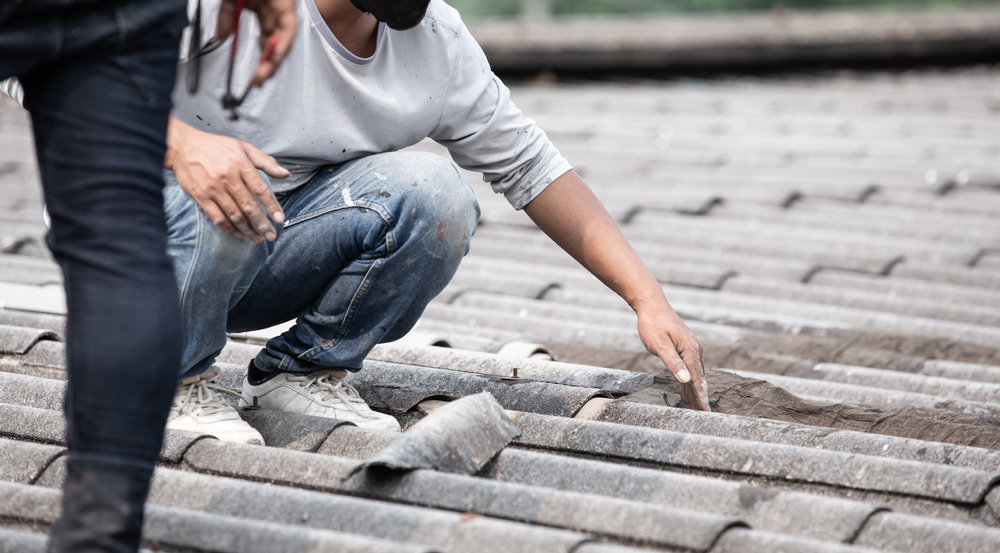
Every roof has a story to tell, and a professional inspection reveals it. Subtle irregularities—an uneven slope, a cracked shingle, or darkened sealant—may look harmless but often signal deep structural or moisture issues. In Los Angeles, intense sunlight, heat shifts, and sudden rainstorms make roofs age faster, so a minor flaw can escalate quickly.
Certified roofing contractors in Los Angeles combine local knowledge with precision tools to uncover the most telling red flags before they evolve into costly problems. Below is a comprehensive look at the seven warning signs roofers identify during home inspections, why they matter, and how professionals confirm and correct them.
How Expert Roofers Conduct a Complete Roof Evaluation
Roof inspections go far beyond a quick visual check. They follow a deliberate, methodical process that identifies existing damage, predicts future failures, and provides documented evidence for homeowners or insurers.
The Step-by-Step Roof Assessment Process
Ground-Level Scan: Inspectors begin by assessing the roof’s overall plane from multiple angles, noting irregularities, discoloration, or visible sagging.
Surface Examination: On the roof itself, they test materials, walk key slopes, and inspect penetrations such as vents or skylights.
Attic Investigation: The interior reveals signs of leaks, ventilation failures, and insulation moisture that may not yet be visible outside.
Photographic and Satellite Imaging: Inaccessible or steep areas are reviewed through aerial tools and advanced digital mapping.
Reporting and Prioritization: Detailed documentation categorizes issues by urgency, cost impact, and repair strategy.

Tools Roofers Use to Uncover Hidden Roof Damage
Modern roof inspections use more than a trained eye. Infrared thermography detects trapped moisture; moisture meters confirm water presence in sheathing; and full satellite roof reports deliver precise surface measurements and top-down imagery for hard-to-reach areas.
This process allows roofers to detect the red flags that truly matter—those that signal immediate attention and long-term risk.
1. Curling or Cracked Shingles That Signal Aging Roof Systems
Asphalt shingles remain a top roofing material for Los Angeles homes, but they deteriorate under UV radiation and thermal expansion. Curling, cracking, and granule loss mark the early stages of roof aging.
Early Indicators Roofers Watch For
Curled edges that lift slightly, letting wind drive moisture underneath
Shiny spots where granules have worn away
Cracks or surface splits caused by extreme heat and roof movement
Damp insulation in attics directly beneath sun-facing slopes
How Roofers Determine the Severity of Shingle Damage
Inspectors check the texture and pliability of shingles. Brittle or easily cracked pieces suggest material exhaustion rather than isolated storm damage. They also analyze attic heat retention, since poor ventilation accelerates deterioration.
When widespread failure is evident, homeowners typically benefit from professional shingle roof replacement services that restore full waterproofing and manufacturer-backed warranty protection.
When Minor Repairs Are Enough
Localized repairs work if damage is limited to a few shingles and the underlayment remains intact. However, a pattern of curling and cracking across multiple slopes points to systemic fatigue that demands full replacement.
2. Ponding Water on Flat Roofs That Indicates Poor Drainage
Flat roofs give contemporary homes and low-rise buildings a clean, modern look—but they rely on proper drainage more than any other design. Standing water that lingers for more than two days after rainfall is a critical warning.
What Causes Ponding Water
Clogged internal drains or scuppers
Inadequate slope due to poor design or insulation compression
Degraded waterproof membranes that have lost elasticity
Debris accumulation creating small dams
Why Ponding Leads to Structural Risk
Water adds substantial weight to flat roofs. Even a small pool can double stress in one area, leading to deck deformation and hidden leaks. Over time, insulation becomes waterlogged, reducing energy efficiency and inviting mold growth.
How Roofers Diagnose Drainage Problems
Specialists in flat roof inspection and repair use thermal cameras to map retained heat, which indicates trapped moisture beneath the surface. They also verify slope precision and check for membrane blisters that signal internal vapor buildup.
Comparing Flat Roof Drainage Solutions
| Drainage System | Common Issue | Lifespan | Maintenance Interval |
|---|---|---|---|
| Internal Drains | Clogs and debris buildup | 20–25 years | Twice per year |
| Scuppers | Overflow during storms | 15–20 years | Annual cleaning |
| Tapered Insulation | Settlement or compression | 20+ years | Periodic review |
Timely intervention restores drainage function and prevents recurring leaks or structural compromise.
3. Broken or Slipped Tiles That Compromise Roof Waterproofing
Tile roofs are prized for their elegance and longevity, but they can conceal subtle faults that undermine performance. Even a single broken or displaced tile may allow water to penetrate the underlayment.
How Tile Damage Develops
Clay and concrete tiles expand and contract in Los Angeles’ heat cycles. When fasteners loosen or underlayment deteriorates, tiles slip out of alignment. Earthquakes, fallen branches, or improper foot traffic can also dislodge them.
Inspection Methods for Tile Roofs
Roofers carefully lift suspect tiles to examine underlayment condition, flashing overlaps, and batten spacing. A camera or probe may be used to avoid full removal.
For precise restoration, homeowners often turn to tile roof restoration experts, who match color and weight, reset tiles properly, and reseal valleys.
Consequences of Ignoring Tile Misalignment
Gaps invite water intrusion that degrades the sheathing and causes visible interior staining. Once underlayment damage spreads, repairs become significantly more expensive than early intervention.
4. Sagging Roof Decks That Point to Structural Weakness
Sagging roofs are among the most serious red flags found during inspection. They suggest moisture deterioration, inadequate structural design, or long-term overloading.
How Roofers Identify Structural Distress
From the ground, professionals note wavy or concave planes. In the attic, they check for moldy sheathing, cracked rafters, and shifting trusses. Moisture readings confirm whether sagging stems from water intrusion or design flaw.
Root Causes of Roof Deck Sagging
Persistent leaks saturating wood sheathing
Heavy roofing materials placed on undersized framing
Poor ventilation trapping humidity
Termite or fungal decay weakening joints
Repair and Reinforcement Options
Minor sagging can be corrected through added supports, re-decking, or reattaching loosened rafters. For advanced issues, engineers may recommend truss reinforcement or partial deck replacement.
Homeowners seeking clear structural assessments can schedule free inspection consultations to evaluate the safest and most cost-effective path forward.
What Happens If Sagging Is Ignored
Deflection worsens over time, leading to cracked drywall, ceiling separation, or in extreme cases, partial collapse during heavy rain. Early correction avoids structural reconstruction and insurance complications.
5. Deteriorated Flashing and Sealants Around Roof Penetrations
Flashing and sealants guard the roof’s most vulnerable intersections. When these elements corrode or loosen, they allow water to bypass even a perfectly intact surface.
Most Common Flashing Problem Areas
Chimneys where metal flashing separates from masonry
Valleys collecting debris that holds moisture
Skylights with cracked perimeter sealants
Vent pipes with brittle or shrunken boots
How Roofers Test and Confirm Flashing Failure
Inspectors use mirrors to see under overlaps, take moisture readings around suspect joints, and document rust streaks that indicate metal deterioration. Drone footage helps trace how water travels across seams and transitions.
Preventive Flashing Upgrades
Replacing low-grade metals with aluminum or galvanized steel and applying flexible sealants ensures durability under Los Angeles’ heat. Custom-fabricated flashing pieces provide a tighter, longer-lasting seal.
Flashing issues are a leading cause of hidden leaks, which is why this inspection step carries heavy diagnostic weight.
6. Moss, Algae, or Organic Growth That Degrades Roof Surfaces
Green streaks and moss patches might look harmless, but they reveal trapped moisture and reduced roof lifespan. Biological growth slowly weakens roofing materials and affects curb appeal.
Why Los Angeles Homes Are Still at Risk
Despite the city’s arid climate, shaded areas and morning dew create microclimates where moss and lichen thrive. Ocean mist in coastal neighborhoods and overhanging trees accelerate the process.
Professional Cleaning and Inspection Process
Roofers start with low-pressure cleaning solutions designed for the specific roof type. After cleaning, they inspect for damage caused by moisture retention or root intrusion.
Preventive Measures Against Regrowth
Zinc or copper strips near ridges release ions that naturally inhibit moss. Regular washing and protective coatings are key to long-term prevention.
Comprehensive care through Smile Roofing’s preventive maintenance programs includes cleaning, inspection, and protective treatments that keep roofs performing at peak condition year-round.
When Moss Damage Requires Replacement
If moss infiltration has softened the sheathing or caused black staining across multiple slopes, a professional evaluation may determine that full replacement is necessary.
7. Code Violations or Unpermitted Modifications Discovered During Inspections
Roof issues aren’t always physical. Many problems surface when contractors uncover unpermitted work or materials that fail to meet local code requirements.
Examples of Code Noncompliance
Missing fire-rated underlayment in hillside zones
Roof additions installed without permits or engineering approval
Improper ventilation spacing or unapproved mechanical penetrations
Reflectivity values below local energy standards
Why Compliance Is Critical
Noncompliant roofs can delay property sales, invalidate insurance coverage, and incur city fines. During inspections, professionals cross-check property records and photographic evidence against current building regulations.
How Roofers Help Restore Compliance
Licensed contractors help homeowners gather necessary documentation, perform corrective upgrades, and prepare for re-inspection by the Los Angeles Department of Building and Safety (LADBS) to confirm legal status.
Regional Stressors That Amplify Roof Damage in Los Angeles
Los Angeles roofs endure a specific combination of challenges that accelerate every red flag above.
Sunlight and Heat Expansion
Extreme UV exposure makes shingles brittle and expands tile fasteners. Daily thermal movement fatigues flashing and adhesives faster than in cooler regions.
Wind and Seasonal Rains
Santa Ana winds can pry loose shingles and tiles, while sudden rain after long dry periods exploits tiny cracks that have gone unnoticed.
Debris and Air Quality Factors
Ash, leaves, and smog residue clog drains and gutters, creating moisture pockets that invite corrosion or moss growth if not cleared regularly.
The Long-Term Value of Preventive Roof Maintenance
Addressing red flags early saves thousands in repair costs and maintains the roof’s resale and insurance value.
Routine Inspection Schedule
Seasonal: Before summer heat and before winter rain
After Severe Weather: High winds or heavy rainfall events
Annual: Full structural and material review, including attic assessment
Proactive Benefits
Extends the lifespan of roofing materials
Prevents small leaks from becoming structural problems
Reduces energy costs by maintaining proper insulation and ventilation
Improves resale appeal with documented roof health reports
Owners who follow a regular maintenance rhythm rarely face major emergency repairs or code violations.
Homeowner Preparation Checklist Before an Inspection
A prepared property speeds up inspection and produces better documentation.
Clear debris from gutters and roofline edges.
Provide attic access for interior evaluation.
Gather prior roof repair receipts or permits.
Move vehicles away from drain outlets for testing.
Secure pets and notify neighbors if aerial imaging will be used.
Take note of visible stains or leaks for reference.
Proper preparation lets inspectors work efficiently and capture every relevant finding.
Summary Table: Seven Roof Red Flags and Professional Responses
| Red Flag | Primary Cause | Risk Level | Recommended Action |
|---|---|---|---|
| Curling or cracked shingles | UV damage, ventilation failure | Moderate | Replace through shingle roof replacement services |
| Ponding water | Drainage or slope issues | High | Correct using flat roof inspection and repair |
| Broken or slipped tiles | Expansion, impact, foot traffic | Moderate | Restore via tile roof restoration experts |
| Sagging deck | Moisture, undersized framing | Severe | Evaluate with free inspection consultations |
| Deteriorated flashing | Sealant fatigue, corrosion | High | Document with full satellite roof reports |
| Moss and algae | Moisture, shade, organic buildup | Moderate | Manage under Smile Roofing’s preventive maintenance programs |
| Code violations | Unpermitted work, outdated materials | Critical | Verify with Los Angeles Department of Building and Safety (LADBS) |
From Inspection Findings to Roof Longevity
A professional roof inspection is not just about identifying damage—it’s about understanding how every element of a home interacts under local conditions. When homeowners act on early warning signs, they safeguard not only the roof but the entire structure beneath it.
By trusting qualified professionals who know Los Angeles codes, climate, and materials, property owners gain a roadmap for maintenance and long-term value. Each red flag, when caught in time, becomes an opportunity to strengthen the home’s first line of defense.