

What “invisible roof damage” really means in sun-exposed cities
Sudden storms get all the attention, yet the most expensive roofing failures often start quietly. Ultraviolet radiation dries out binders and coatings. Algae spreads in shaded valleys and holds moisture against the surface. Pollen and fine organic dust form a sticky film that traps water and feeds microbes. None of this looks dramatic from the street. Small changes compound over seasons until brittleness, hidden rot, and drainage issues create leaks that seem to arrive out of nowhere.
Invisible roof damage is not mysterious. It is the logical result of three slow drivers working together. Understanding how each one behaves on common Los Angeles roof types is the fastest way to extend service life and prevent costly tear-offs.
Micro-mechanisms that turn sunshine and spores into structural problems
Photodegradation breaks chemical bonds in asphalt binders, acrylics, and elastomeric coatings. Granules detach. Surfaces fade and absorb more heat. Expansion and contraction cycles become harsher on fasteners and sealants.
Algal biofilms keep surfaces damp. Prolonged wetting undermines protective granules and makes shingles more porous. On tile, moisture cycles contribute to microcracking and surface pitting.
Pollen and organic dust accumulate during spring and early summer. The film becomes a moisture sponge, clogs drains and scuppers, and feeds mold in areas with weak ventilation.
Why Los Angeles roofs face a unique combination of risks
Long seasons of clear skies increase UV exposure. Coastal humidity pockets and shaded canyons encourage algae. Springtime brings heavy pollen loads and windblown debris. Many homes use a mix of materials, such as tile over living spaces and low-slope sections over additions, so one property can experience multiple vulnerability patterns at once.
UV radiation: the slow destroyer hiding in plain sight
Ultraviolet exposure is relentless. It does not create dramatic holes overnight, but it decreases a roof’s safety margin day after day. The warning signs vary by material.
Asphalt shingles under high UV
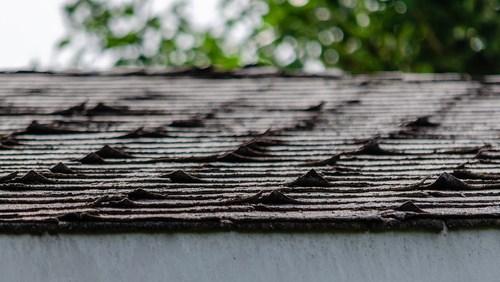
Granule loss typically starts on south and west exposures first. As reflectivity declines, surface temperatures rise, which accelerates binder aging and edge curl. Hairline splits around fasteners and along tabs admit wind-driven rain long before interior stains appear. When symptoms cluster across slopes rather than isolated patches, targeted service is needed. To restore performance where it counts, schedule asphalt shingle repair and replacement with a team that understands local temperature cycles and ventilation requirements.
Field cues that homeowners can spot safely
Color fade where sun hits hardest compared to protected overhangs
Granule grit collecting in the bottom of gutters after hot spells
Tabs that do not lie flat, especially near rakes and ridges
Clay and concrete tile under long-term sun
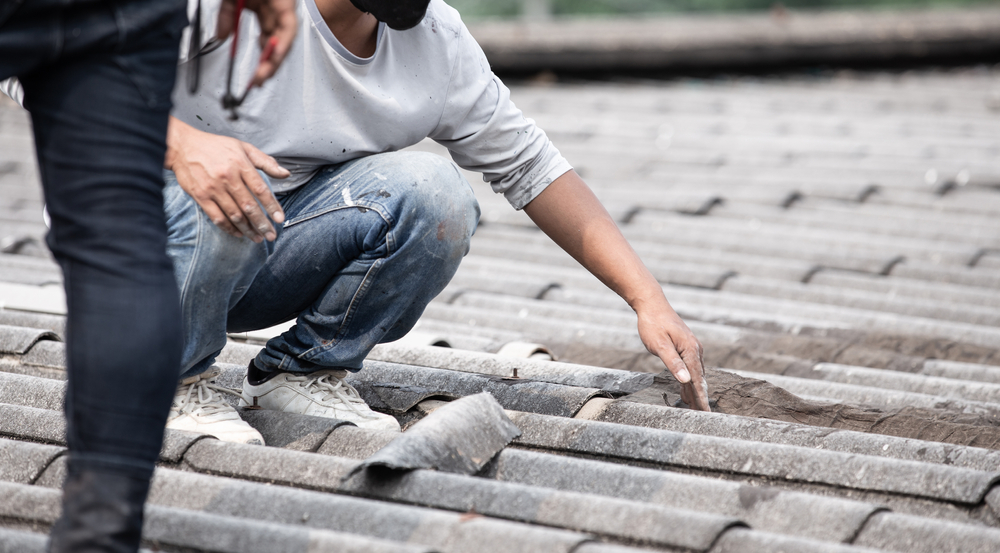
Tiles resist heat better than shingles, yet UV still stresses the system. Surface finishes dull, microcracks form along edges, and underlayment becomes the limiting factor. When tiles are walked on to access equipment, UV-hardened pieces are more likely to fracture. Precision treatment and selective replacement preserve both appearance and watertightness. Engage specialized tile roof solutions to evaluate coating condition, fastener corrosion, and underlayment lifespan.
Small visual changes with big implications
Powdery surface chalking that returns quickly after rain
Hairline splits at the corners of frequently trodden tiles
Exposed underlayment at transitions or where tiles have shifted
Low-slope membranes and direct heat loading
Flat and low-slope roofs receive uniform solar load. Heat buildup softens aged membranes at mid-day, then nighttime cooling shrinks materials back. Repeated cycles cause blisters, alligatoring, and seam stress. Ponding concentrates heat and accelerates aging even further. Proactive cleaning and recoating strategies interrupt this spiral. For property-friendly maintenance and leak prevention, use professional flat roof maintenance tailored to your membrane type and drainage layout.
What concentrated sunlight does to low-slope roofs
Bubble patterns around long seams
Surface checking that resembles reptile skin
Persistent shallow ponds after a normal rain
Algae colonization: the moisture amplifier behind the stains
What looks like cosmetic staining is a water management problem. Algal mats act like sponges. They hold dew and light rain against the surface long after the rest of the roof has dried. That prolonged dampness weakens protective layers, increases freeze-thaw stress in colder microclimates, and feeds moss and lichen that anchor more deeply.
How algae chooses where to live
Algae favors shade and areas that dry slowly. North-facing slopes near trees, valleys that trap debris, and tile profiles that shelter moisture become early hosts. Coastal air and canyon breezes move spores freely, so once growth establishes, it often spreads across contiguous slopes within a season.
Functional consequences that outlast a cleaning
Granule adhesion weakens on shingles that remain wet, so the next heat wave accelerates loss.
On tile, moisture migration into microcracks enlarges pores and erodes finishes.
Gutters and scuppers collect sloughed material, which slows drainage and increases ponding upstream.
Distinguishing look-alikes to select the right treatment
Algae appears as black streaks that follow water flow.
Moss forms clumps that lift edges and trap debris.
Lichen creates flat, crusty patches that are stubborn to remove.
Correct identification matters because aggressive scrubbing and high pressure cleaning remove protective layers. A professional plan balances cleaning with preservation and prevention coatings.
Pollen and organic dust: the thin film that changes how water behaves
Pollen is lightweight and sticky. It bonds with soot and fine particulates to form a film that absorbs water. On shingles, the film exaggerates thermal stress by darkening surfaces. On tile and metal, it encourages biofilm. On low-slope roofs, it accumulates at drains and around equipment platforms, which creates a feedback loop of standing water and faster aging.
How pollen interacts with ventilation and indoor comfort
Roofs are part of a system. When attic ventilation is weak, heat loads rise and drive more aggressive expansion cycles. Moisture from the roof surface can be drawn inward through fastener penetrations, then linger in insulation and structural members. That hidden dampness complicates air quality and can introduce musty odors even while ceilings look pristine.
Drainage details that deserve outsized attention on low-slope sections
Scuppers and internal drains hidden behind parapets
Crickets and saddles that should divert water but are clogged by spring debris
Pitch pockets and curb flashings around rooftop equipment
Detecting the undetected: from homeowner checks to imaging and scans
Routine observation still matters, especially between professional visits. A safe ground-level survey after storms and at season changes prevents small problems from becoming urgent calls.
A homeowner’s month-by-month visual checklist
Compare sun-exposed slopes to shaded ones for uneven fade.
Scan valleys for dark streaks that extend downslope.
Note any shingles or tiles that sit proud of the surface.
Look for debris mounds behind chimneys, skylights, and parapets.
Confirm downspouts discharge freely and gutters are not overflowing.
Step into the attic during midday and look for pinpoints of light near penetrations.
Smell for mustiness after a heat wave or rain event.
When and why to add technology to the inspection mix
Thermal scans reveal cooling anomalies that indicate saturated insulation or underlayment problems. Moisture meters provide point measurements where discoloration appears. Aerial imaging surveys capture the whole surface, validate slope-to-slope differences, and create a baseline for future comparisons. For a noninvasive benchmark you can reference over time, order an aerial satellite roof report that maps heat signatures, discoloration patterns, and drainage paths at scale.
Seasonal timing for Los Angeles conditions
Late winter: check for algae spread from cool, damp months.
Spring: clear pollen accumulations before the first heat spike.
Late summer: evaluate UV-stressed slopes and ridge components.
After Santa Ana winds: remove debris lodged in valleys and scuppers.
Intervention logic: repair, restore, or replace
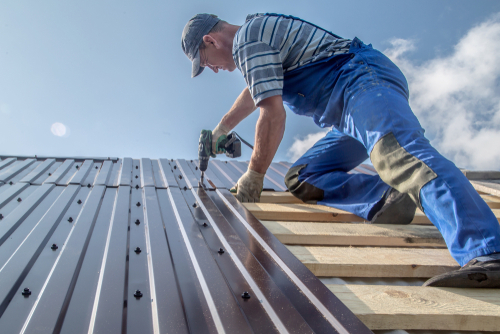
Choosing the right path requires matching the cure to the cause and the material. Repairs extend life when damage is early and contained. Restoration makes sense when aging is broad but the deck and structure are sound. Replacement becomes prudent when water has repeatedly breached the system or materials are at end of life.
Material-specific thresholds that guide decisions
Asphalt shingles: widespread granule loss, curled edges across entire slopes, and brittle tabs point toward restoration or replacement. Localized wind lift or a single compromised plane may qualify for sectional repair.
Tile systems: intact tiles with aging underlayment often benefit from a lift and relay with new waterproofing. Repeated tile fracture, fastener corrosion, or underlayment failure across multiple planes indicates larger scope work.
Low-slope membranes: isolated blisters and cut seams are repairable. Alligatoring across traffic lanes, chronic ponding, or saturated insulation suggests recoating or system replacement.
Cost clarity through comparative planning
| Scenario | Typical Triggers | Primary Work Scope | Strategic Payoff |
|---|---|---|---|
| Targeted repair | One or two problem zones, localized leaks, intact surrounding materials | Replace limited shingles or tiles, seal penetrations, patch seams | Stops water quickly while preserving budget for future upgrades |
| System restoration | Broad aging without structural damage, uniform color fade, early membrane checking | Cleaning, selective replacement, coatings, new underlayment where needed | Resets service life, improves reflectivity, delays full replacement |
| Full replacement | End-of-life materials, repeated leaks, saturated insulation or deck damage | Tear-off to deck, new waterproofing, improved ventilation and flashing | Highest reliability, warranty reset, energy performance gains |
Planning conversations are smoother when homeowners understand scope language and triggers. To see the suite of approaches available for your roof type and condition, review the complete roofing services menu and align the option set with your inspection findings.
Prevention that pays: routines, materials, and design details
Proactive care is not simply cleaning more often. It is a short list of smart routines combined with material choices that weaken the three drivers of invisible damage.
High-leverage routines that deliver the most benefit
Clear valleys, gutters, and drains before the first heat wave and again after peak pollen.
Trim branches that shade north slopes and feed debris accumulation.
After notable wind events, remove piles that formed behind chimneys or parapets.
Recoat low-slope membranes on schedule to keep reflectivity and flexibility high.
Tune attic ventilation to balance intake and exhaust based on roof geometry.
Material and accessory choices that defend against UV, algae, and pollen
Higher-reflectance shingles and coatings reduce surface temperatures and slow binder aging.
Algae-resistant treatments and copper or zinc strips at ridges discourage biofilm.
Smooth, adequately sized scuppers and strainers make pollen and dust easier to clear.
Enhanced underlayments under tile add secondary protection if surface pieces crack.
Compliance and confidence: permits, inspections, and local expertise
Roofing touches structure, weather protection, and energy performance. That is why cities regulate replacements and many major repairs. Before starting work that changes waterproofing, fasteners, or load-bearing elements, confirm requirements through Los Angeles Department of Building and Safety permitting to ensure your project is documented and inspected correctly.
What to expect from a contractor who understands Los Angeles roofs
Specification of materials that perform under high UV and seasonal pollen loads
Detailing for parapet caps, scuppers, and transitions common to local architecture
Transparent scopes that differentiate repair, restoration, and replacement
Photographic documentation before and after service for your records
Selecting the right partner matters as much as choosing materials. Work with a team that values code compliance, communicates clearly, and brings deep local references. Begin with a firm recognized for quality and responsiveness such as a licensed Los Angeles roofing contractor that stands behind both repair and replacement work.
The Next Decade of Preventative Roof Care in Los Angeles
Invisible roof damage from UV, algae, and pollen will continue to challenge homeowners across Southern California. Yet, the coming decade promises advances that will make prevention easier, more affordable, and more effective.
Smarter materials engineered for sun and biofilm resistance
Manufacturers are releasing shingles with integrated UV-blocking granules, tiles with algae-resistant glazes, and membranes formulated to resist biofilm adhesion. These innovations directly target the three drivers of invisible damage, reducing the pace of deterioration.
Digital monitoring as a routine service
Satellite imaging and drone scans will become part of standard maintenance agreements. Instead of waiting for annual inspections, homeowners will have digital baselines updated seasonally. Subtle changes in shading, discoloration, or drainage can be tracked long before they are visible to the eye.
Climate-specific strategies for Los Angeles neighborhoods
The demands on a roof in Santa Monica differ from those in the San Fernando Valley. Coastal zones face higher humidity and salt content, while inland areas endure longer UV exposure. Preventative strategies tailored to each microclimate will optimize longevity and reduce costs.
Localized building codes adapting to environmental pressures
As weather extremes intensify, Los Angeles building codes will likely evolve to mandate stronger materials, higher reflectivity, and better drainage solutions. Homeowners who adopt these upgrades early not only gain protection but also improve resale value by meeting or exceeding future standards.
A homeowner’s roadmap for the future
Prioritize materials proven to resist UV and algae in California’s sunbelt.
Leverage satellite and drone technologies to establish year-over-year roof health records.
Schedule cleanings and inspections in alignment with pollen cycles and coastal humidity trends.
Monitor local code updates to stay ahead of compliance requirements.