

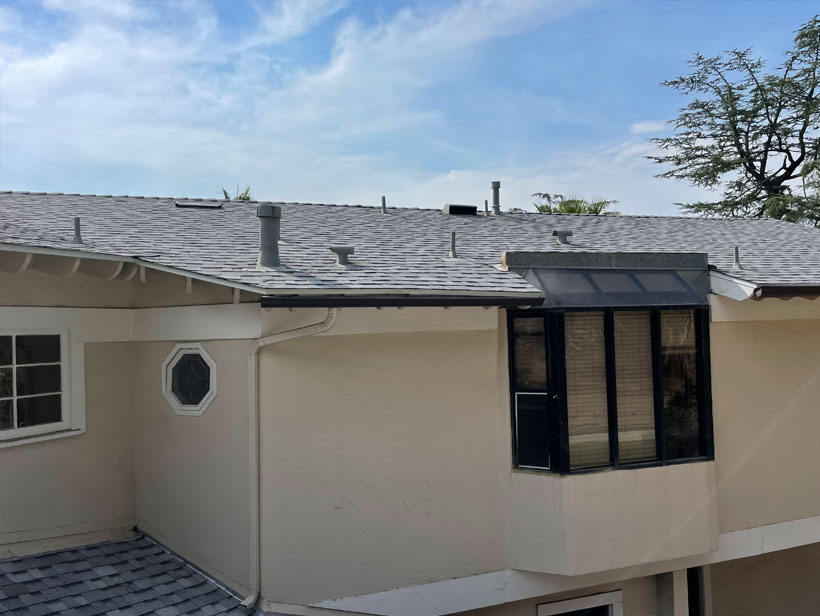
A small drip can unravel years of equity. Water sneaks past a compromised shingle or failed seal, travels along framing, saturates insulation, stains ceilings, then invites mold. Sellers discover it during a buyer’s inspection. Appraisers flag it, insurers question it, and buyers use it as leverage. In competitive markets like Los Angeles, a neglected roof leak can be the difference between multiple offers and a price cut that lingers on the MLS.
The Equity Math Behind a “Small” Roof Leak
Water damage is cumulative, so costs rise in steps. Early intervention might involve sealing a flashing joint and replacing a few shingles. Delay turns into drywall replacement, insulation removal, and framing repairs. If moisture persists, mold remediation and electrical fixes enter the picture. The effect compounds at resale: appraisers discount for visible damage, and buyers mentally add a risk premium that pushes offers down.
Value impact pathway
Minor leak → hidden moisture → visible staining and odor → inspection report with photos → price reduction requests → lender concerns on condition → appraisal haircut.
Quick Cost-to-Value Snapshot
| Leak Stage | Typical Direct Costs | Secondary Costs | Possible Value Impact |
|---|---|---|---|
| Early detection with localized repair | $400 to $800 | Minimal | Negligible if documented |
| Ceiling stain and wet insulation | $1,500 to $3,000 | Repainting rooms | 3 to 5 percent |
| Structural rot or mold remediation | $5,000 to $15,000+ | Extended time on market | 10 to 15 percent |
Numbers vary by roof type, material age, and access conditions, yet the pattern is consistent. The longer water circulates in a building, the more expensive each successive fix becomes and the larger the perception penalty at resale.
Where Leaks Actually Start: Components Buyers Never See
Leaks rarely originate from the field of the roof alone. They concentrate at transitions and penetrations, which means small details decide whether a roof protects or betrays the home.
Flashings and transitions: Step and counter flashing at sidewalls, headwalls, and roof-to-wall joints are frequent failure points when improperly lapped or sealed.
Valleys and intersections: Debris collects in valleys. If the metal gauge is thin or underlayment is cut short at the centerline, water can track beneath.
Penetrations: Skylights, chimneys, solar mounts, and plumbing vents rely on boots and curbs. UV exposure dries rubber seals and cracks brittle mastics.
Gutters and drainage: Backed-up gutters force water under starter courses and into fascia. For flat systems, clogged drains create ponding that opens seams.
Underlayment: Aged organic felt, torn synthetic underlayment, or missing peel-and-stick in critical areas reduce resistance to wind-driven rain.
Attic ventilation: Poor airflow increases heat and moisture, which accelerates shingle aging and encourages condensation that mimics a roof leak.
Roof Type Behavior: How Materials Respond When Water Tests Them
Different systems fail in different ways. Knowing the likely failure mode helps homeowners act before damage spreads.
Asphalt Shingles: Granules, Curling, and Sun-Baked Sealant
Thermal cycling and UV exposure loosen granules and dry sealant strips. Wind lifts edges, rain rides underneath, and fasteners begin to back out. Targeted maintenance and timely shingle replacement keep the system tight. Homeowners can schedule repairs or upgrades through asphalt shingle roofing solutions to address age-related wear before it spreads.
Flat Roofing: Ponding, Seams, and Hidden Movement
Low-slope roofs depend on clean drains and intact seams. Ponding accelerates membrane breakdown, and foot traffic near HVAC pads creates punctures that leak long after rain stops. A specialist who understands TPO, PVC, modified bitumen, and coating systems is essential. For persistent drainage or seam issues, engage flat roof repair and installation experts who diagnose with both surface inspection and moisture probing.

Tile Roofing: Underlayment Is the Real Waterproofing
Tiles shed water well, yet the underlayment is the true barrier. Cracked tiles, displaced battens, and aged felt let water reach decking, especially after hot-cold cycles common in Southern California. Professional evaluation and selective replacement through durable tile roof replacements maintain the classic look while restoring watertight performance.
Material Comparison for Leak Risk and Care
| Roof System | Typical Lifespan | Primary Leak Triggers | Maintenance Focus |
|---|---|---|---|
| Asphalt shingles | 20 to 25 years | Curling, lifted edges, failing flashing | Replace brittle courses, reseal flashings |
| Flat membranes | 15 to 30 years | Ponding, seam splits, punctures | Keep drains clear, reinforce seams |
| Clay or concrete tile | 40 to 50 years | Cracked tiles, aged underlayment | Replace underlayment, realign displaced tiles |
Catching Leaks Early With Sight, Sensors, and Aerial Insight
Early detection protects both the roof and the resale narrative. Homeowners can do quick visual checks, while pros validate findings with instruments.
Interior and Exterior Clues That Matter
Ceiling or wall discoloration with ringed edges
Musty odor near closets or in the attic after rain
Peeling paint or bubbling around skylight wells
Shingle granules collecting at downspouts
Rust streaks along chimney flashing or nail heads
Daylight visible through roof deck gaps in the attic
Moisture Tools Reduce Guesswork
Infrared thermography highlights cooled wet sections; capacitance meters detect elevated moisture in membranes and sheathing; borescopes let inspectors view behind finishes with pinholes rather than large cuts.
Remote Assessments That Speed Decisions
Aerial and satellite imagery helps track shape changes, pooling zones, and storm impacts without ladders. Order full satellite roof reports to document conditions over time, plan maintenance, and create proof of care that supports buyers and insurers.

The Insurance Lens: Prevention, Documentation, and Claim Viability
Insurers typically distinguish between sudden, accidental losses and damage that arises from neglect. Claims are smoother when homeowners can show regular maintenance, dated photos, and invoices for timely fixes. Keep a roof log that includes inspection dates, findings, repair receipts, and material warranties. When a storm hits, document immediately and protect the interior to limit secondary damage. The habit of recordkeeping protects coverage and bolsters resale credibility.
Health, Safety, and Energy Penalties You Can Avoid
Persistent moisture fosters mold on the backside of drywall and on framing surfaces, which degrades indoor air quality and can trigger respiratory issues. Saturated insulation loses R-value, so HVAC equipment runs longer. Metal fasteners corrode, electrical junction boxes in damp attics become safety concerns, and pests follow moisture into hidden cavities. Addressing a leak early often recovers energy efficiency and indoor comfort while averting more disruptive repairs.
Appraisal, Inspection, and Buyer Psychology
Appraisers consider roof age and condition as part of the property’s effective age. Buyers translate visible stains into worst-case scenarios. Two identical homes can diverge in value because one seller presents inspection records, repair invoices, and a clean attic while the other offers apologies and concessions. The real market advantage belongs to the owner who can demonstrate a proactive maintenance story.
Simple resale uplift formula
Documented roof care + clean inspection report + transferable warranties = faster offers at stronger prices.
A Los Angeles Maintenance Rhythm That Actually Works
Southern California brings long dry spells, Santa Ana winds, wildfire ash, and bursts of winter rain. Roofs handle that combination best with a regular cadence of care.
Seasonal Maintenance Framework
Late winter: Inspect for wind-lifted shingles, reseal penetrations before spring heat.
Spring: Clean gutters and downspouts, flush flat roof drains, confirm that scuppers are clear.
Summer: Check UV wear, brittle sealants, and warped flashing; verify attic ventilation so heat does not accelerate aging.
Fall: Clear debris and leaf dams from valleys and roof-to-wall transitions; trim overhanging branches; verify that skylight curbs are at least two inches above anticipated water levels.
Post-Storm Checklist
Walk the perimeter, not the roof, to spot missing courses or displaced tiles.
Photograph suspect areas and ceiling stains with time-stamped images.
Check the attic within 24 hours of rain for damp sheathing or dripping fasteners.
Call a qualified specialist if you see pooling, separated seams, or active drips.
Funding Repairs Before They Balloon
Waiting for a tax refund or bonus can be tempting, yet deferral multiplies costs. A small repair is often the cheapest protection for high-value property.
Explore flexible roof financing plans that let you address leaks quickly while spreading payments. Financing helps avoid stopgap patches that fail during the next storm and keeps the property attractive to lenders and buyers who favor homes without deferred maintenance.
Due Diligence When Hiring: Qualifications That Protect Your Equity
The right roofer does more than swing a hammer. They evaluate ventilation, insulation contact, drainage design, and detailing at penetrations, then write a scope that solves root causes instead of applying temporary sealant.
Verify license and insurance, and ask for manufacturer certifications for the material being installed.
Request a written scope that covers substrate repair, underlayment type, flashing standards, and warranty terms.
Compare more than price, including ventilation improvements, drip edge details, and valley treatments that meet modern best practices.
For work in Los Angeles, partner with a contractor who understands local climate stresses and municipal requirements, such as a trusted roofing contractor in Los Angeles with documented regional experience.
Permits, Compliance, and a Smoother Resale
Unpermitted roofing can derail a transaction. Buyers and lenders often require proof that major work met local standards. Before replacing or substantially altering a roof, review official resources from the Los Angeles Department of Building and Safety guidelines. Confirm whether your scope triggers permitting, inspection phases, cool roof requirements, or specific flashing and ventilation provisions. Following the local process ensures you can present clean documentation at resale and reduces the risk of insurance disputes.

What To Do When Water Starts Dripping Tonight
Emergency steps limit damage and preserve claim viability.
Protect people and electrical systems by switching off power to the affected room if water approaches fixtures.
Contain water with buckets and plastic sheeting, then puncture bulging paint bubbles carefully to relieve pooled water before they tear drywall.
Tarp the area only if it can be done safely from the ground or by a professional; never walk a wet roof.
Photograph every step and damaged item with timestamps.
Call a qualified roofer for same-week assessment, then a remediation company if materials are saturated.
Preventive Inspection Program: The One Habit That Saves You Thousands
A structured plan keeps small issues from becoming value killers.
| Task | Frequency | Who Should Do It | Why It Matters |
|---|---|---|---|
| Visual perimeter scan with binoculars | Quarterly | Homeowner | Finds missing shingles, lifted flashing, and debris dams |
| Gutter and drain maintenance | Twice yearly or after storms | Homeowner or pro | Prevents backflow beneath starter rows and flat roof seams |
| Attic moisture check with flashlight | After significant rain | Homeowner | Catches drips at fasteners and wet insulation early |
| Professional roof inspection with report | Annually | Licensed contractor | Documents condition for insurers and buyers |
| Infrared or moisture mapping | As needed | Specialist | Locates hidden wet zones without demolition |
Materials and Details That Prevent Leaks in the First Place
Underlayment upgrades: Use high-quality synthetic underlayment or self-adhered membranes in valleys, eaves, and penetrations to resist wind-driven rain.
Flashing standards: Proper step flashing at every shingle course along sidewalls, with counter flashing cut into masonry rather than surface glued.
Valley strategies: Woven valleys for specific shingle types, or open metal valleys with appropriate gauge and centerline offsets to keep water off seam edges.
Fastener discipline: Correct nail placement and depth to avoid back-out and nail pops that channel water.
Ventilation balance: Intake at soffits and exhaust at ridges to minimize condensation and heat buildup that ages the roof prematurely.
The Real Estate Edge: Turning Roof Care Into a Selling Story
Real buyers respond to evidence. Assemble a simple packet for your listing that includes the annual inspection report, photos of clean attic conditions, receipts for repairs, and any material warranties. Provide a one-page summary of maintenance actions by season. When the buyer’s inspector arrives, your documentation shifts the conversation from suspicion to confidence, which often shortens time on market and supports a stronger price.
Technology and Sustainability That Strengthen Long-Term Value
Sensors and smart alerts: Moisture and temperature sensors in attics or under membranes send early warnings to a phone, which lets you act before finishes are damaged.
Reflective and energy-smart surfaces: Cool roof surfaces reduce heat gain that accelerates aging and can support energy savings that appeal to eco-minded buyers.
Solar-ready detailing: Integrated flashing kits for solar attachments prevent the common leak pathway that arises from aftermarket penetrations.
Partnering For Consistent Results
Consistent care is easier with a reliable service partner who knows the home, its materials, and its leak history. Maintenance plans often include annual inspections, prioritized scheduling after storms, and documented photo reports. For an integrated, local approach to maintenance and leak prevention, explore Smile Roofing’s home maintenance and repair services to keep records organized and response times fast.
Investing Today To Protect Tomorrow’s Sale
Roof integrity protects more than ceilings. It protects health, comfort, and the long-term equity your family relies on. Address small issues quickly, document maintenance, align projects with Los Angeles permitting expectations, and choose specialists who fix root causes with durable materials. Use financing to move fast when timing matters. With the right actions, a roof becomes a value multiplier rather than a liability, and your next appraisal reflects the care you put into the home.
Action Checklist You Can Use This Week
Schedule a professional condition review with written findings and photos.
Order aerial documentation to create a baseline for future comparisons.
Clear gutters and flush flat drains, then retest after rain.
Replace cracked or missing shingles and address loose flashing at penetrations.
Start a simple roof log with dates, invoices, and images.
Price out repair options and, if needed, secure funding so work can proceed without delay.
Verify whether planned work requires a permit and inspections through Los Angeles resources.
Addressing leaks early is not just maintenance. It is an equity strategy that keeps offers strong, inspections smooth, and ownership stress low.