

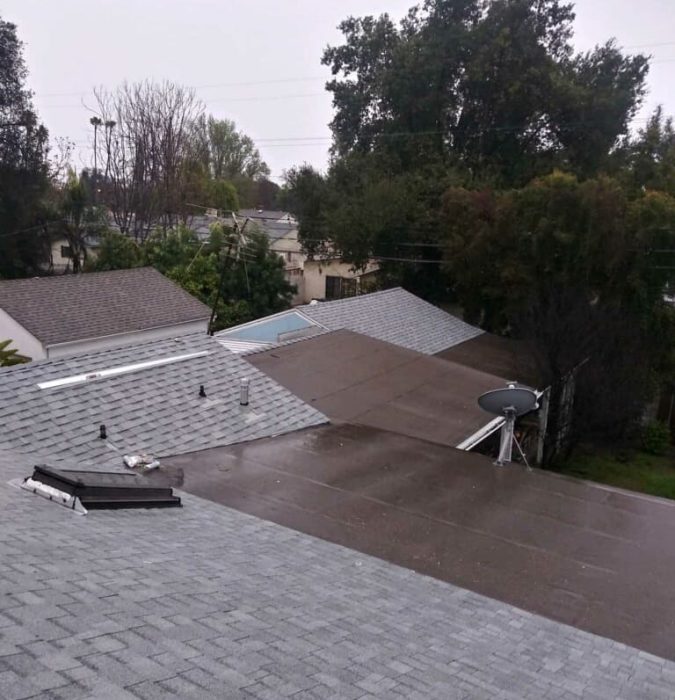
A roof is one of the most overlooked parts of a home—until something goes wrong. The truth is, your roof communicates with you in subtle ways long before a leak drips onto your floor or shingles start sliding off into the yard. Recognizing roof signs early can save you from costly repairs and even extend the lifespan of your roof by years. But what exactly should you be looking for, and how do you know whether a sign calls for a quick fix or a full replacement? Let’s dive in.
Why Paying Attention to Roof Signs Matters
Think of your roof as a silent guardian. It absorbs the brunt of rain, hail, sun, and snow, shielding everything beneath it. Over time, that constant exposure wears it down. The challenge is that deterioration often happens gradually, so many homeowners miss the early warnings.
Noticing roof signs before they escalate means:
Avoiding major water damage inside your home.
Saving thousands of dollars in emergency repairs.
Extending your roof’s usable life span.
Maintaining your home’s curb appeal and resale value.
Ignoring these signs, on the other hand, can shorten the life of your roof significantly.
Roof Signs of Aging Shingles
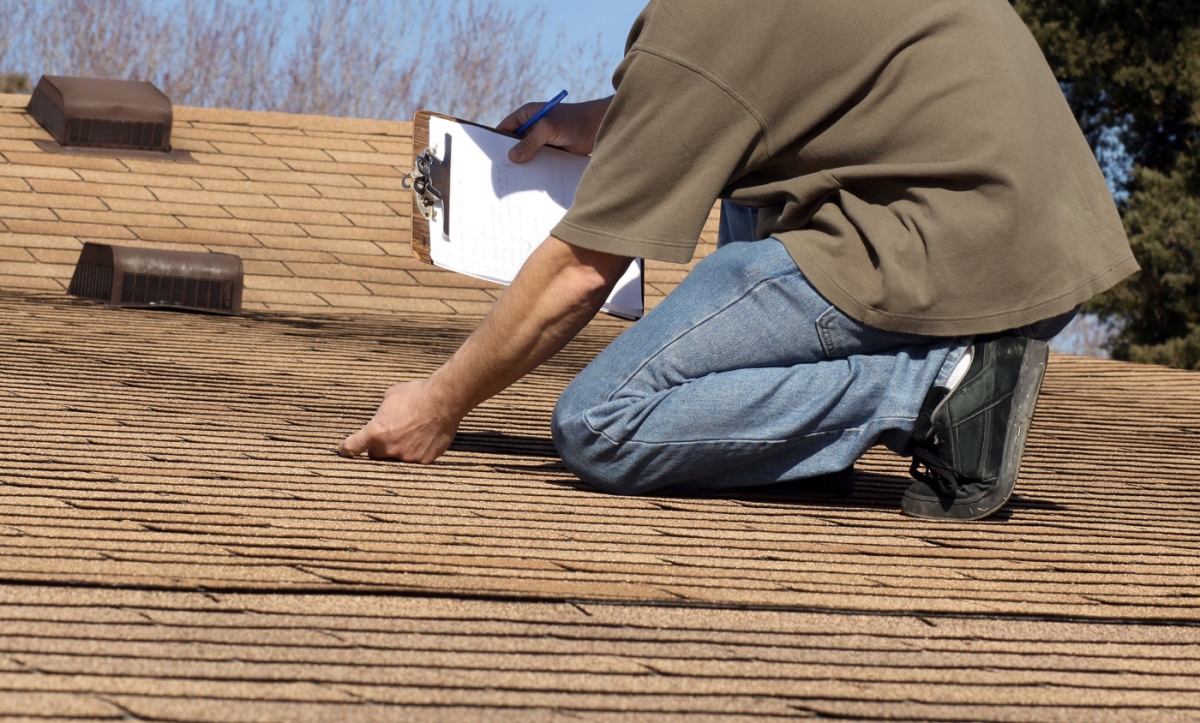
One of the most common areas where roof problems begin is the shingles. Asphalt shingles in particular are prone to visible wear. If you look up and notice any of these roof signs, it’s time to take action:
Curling or Buckling Shingles: Shingles should lie flat. Curling edges or buckling areas signal moisture damage or poor installation.
Bald Spots: Missing granules expose the asphalt underneath, leaving shingles vulnerable to UV rays and water infiltration.
Cracked or Broken Shingles: Extreme temperatures and storms can cause shingles to split, opening the door for leaks.
If you notice just a few damaged shingles, repairs may suffice. But if large sections look aged, it may be a sign your roof is nearing the end of its lifespan.
Roof Signs of Leaks and Water Damage
Water is the enemy of a healthy roof. Unfortunately, leaks often start small and out of sight. Here are some roof signs to catch before they wreak havoc:
Water Stains on Ceilings or Walls: Yellow or brown discoloration is a red flag.
Damp or Musty Attic Smell: Even without visible water, moisture buildup in the attic suggests a leak.
Peeling Paint or Bubbling Wallpaper: Trapped moisture can cause your interior finishes to fail.
Checking your attic regularly, especially after heavy rain, helps you catch these problems early. Don’t ignore even small stains—water rarely stays small once it finds a way in.
Roof Signs of Poor Ventilation
Surprisingly, many roofing issues don’t stem from external factors like storms but from what’s happening inside your home. Poor attic ventilation can cause heat and moisture buildup, leading to mold growth and structural weakening.
Look for these roof signs:
Excessive Heat in the Attic: Feels like a sauna during summer? That’s poor airflow.
Rust on Metal Components: Nails, vents, or flashing rusting prematurely may signal trapped moisture.
Ice Dams in Winter: Warm air from inside melts snow on the roof, which refreezes at the edges, damaging shingles and gutters.
Improving ventilation through ridge vents, soffit vents, or attic fans can dramatically increase your roof’s lifespan.
Roof Signs of Structural Issues
Sometimes, the signs aren’t just cosmetic but structural. These are the most serious roof signs to watch for:
Sagging Roof Deck: If parts of your roof appear to dip, that could indicate weakened supports or moisture damage.
Visible Light in the Attic: Daylight coming through where it shouldn’t is a clear sign of gaps.
Cracked Chimney or Flashing: The areas around chimneys, skylights, and vents are prone to leaks when flashing deteriorates.
These signs often suggest deeper problems that may require professional inspection—and possibly replacement.
Seasonal Roof Signs to Monitor
Different weather conditions reveal different vulnerabilities. Keeping an eye on seasonal roof signs can help you stay ahead:
Spring: Look for damage from winter storms, ice dams, and heavy snow.
Summer: Check for curling shingles and heat-related wear.
Fall: Inspect for clogged gutters and debris buildup.
Winter: Watch for ice dams, condensation, and snow weight stress.
Routine seasonal checks make it easier to spot and address issues early.
How to Respond to Roof Signs
Spotting roof signs is only half the battle—you need to act. Here’s how:
Document the Signs: Take photos of damage for reference and insurance claims.
Schedule a Professional Inspection: Roofing experts can confirm whether issues are minor repairs or warning signs of bigger problems.
Don’t Delay Repairs: Small fixes now prevent larger expenses later.
Consider Lifespan-Boosting Upgrades: Reflective coatings, upgraded shingles, and improved ventilation can give your roof extra years.
Roof Signs vs. Roof Lifespan Expectations
Even the best-maintained roof won’t last forever. Here’s a quick breakdown of average lifespans by material:
Asphalt Shingles: 20–30 years
Metal Roofs: 40–70 years
Tile Roofs: 50+ years
Slate Roofs: 75–100+ years
If your roof is nearing its expected age and showing multiple roof signs, it may be more cost-effective to replace it rather than patch it.
How Roof Signs Shape the Future of Your Home’s Health
Your roof doesn’t need to shout for help—it leaves clues in plain sight. The real challenge is paying attention to these roof signs before they escalate into disasters. From curling shingles to subtle water stains, each sign is your home’s way of saying, “Take care of me.”
By acting early, scheduling regular inspections, and considering upgrades, you can give your roof the boost it needs to keep protecting your home for years to come. After all, listening to your roof now means fewer surprises later—and that’s peace of mind every homeowner deserves.