

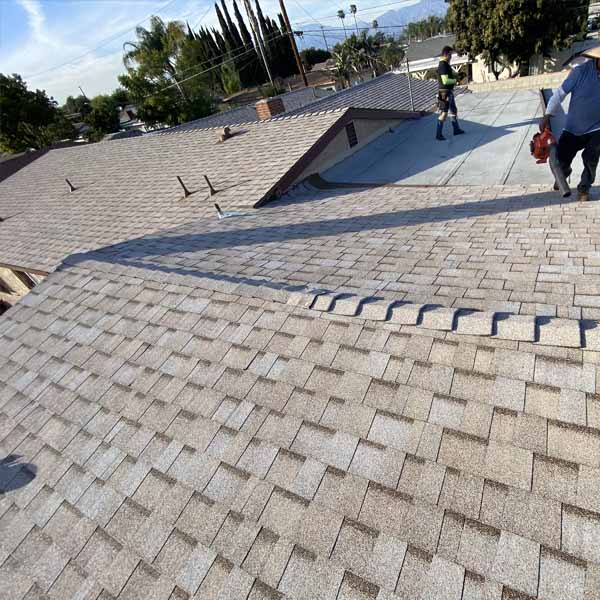
Most homeowners believe that shingle roofs fail because of age, storms, or cheap materials. While those factors certainly matter, there’s another silent culprit that shortens roof life more than anything else: poor ventilation. This mistake that’s killing your shingle roof often goes unnoticed until it’s too late, and by then, you may already be facing expensive repairs or a premature replacement.
The truth is, even the best shingles can’t survive if the attic beneath them can’t breathe. Ventilation may not be glamorous, but it is the hidden system that determines whether your roof lasts 10 years or 30. Let’s look at why improper ventilation is so destructive, the signs you may already be making this mistake, and what you can do to fix it.
Why Roof Ventilation Matters More Than You Think
Your roof and attic form a delicate ecosystem. Heat rises, moisture builds, and air is supposed to move freely in and out through soffits, ridge vents, or gable vents. When this airflow is disrupted, hot air and moisture become trapped inside your attic.
This trapped air does more than make your upstairs feel stuffy. It pushes heat directly into your shingles from below, cooking them in summer, and it fuels condensation that rots wood and grows mold in cooler months. Proper ventilation balances the flow of air so shingles remain at a stable temperature and your attic stays dry.
In fact, many cities set strict guidelines on roof ventilation requirements. For example, the Los Angeles Department of Building and Safety provides detailed building code standards to ensure attics get enough airflow. When ventilation isn’t up to code, you’re essentially setting your roof up for failure from day one.
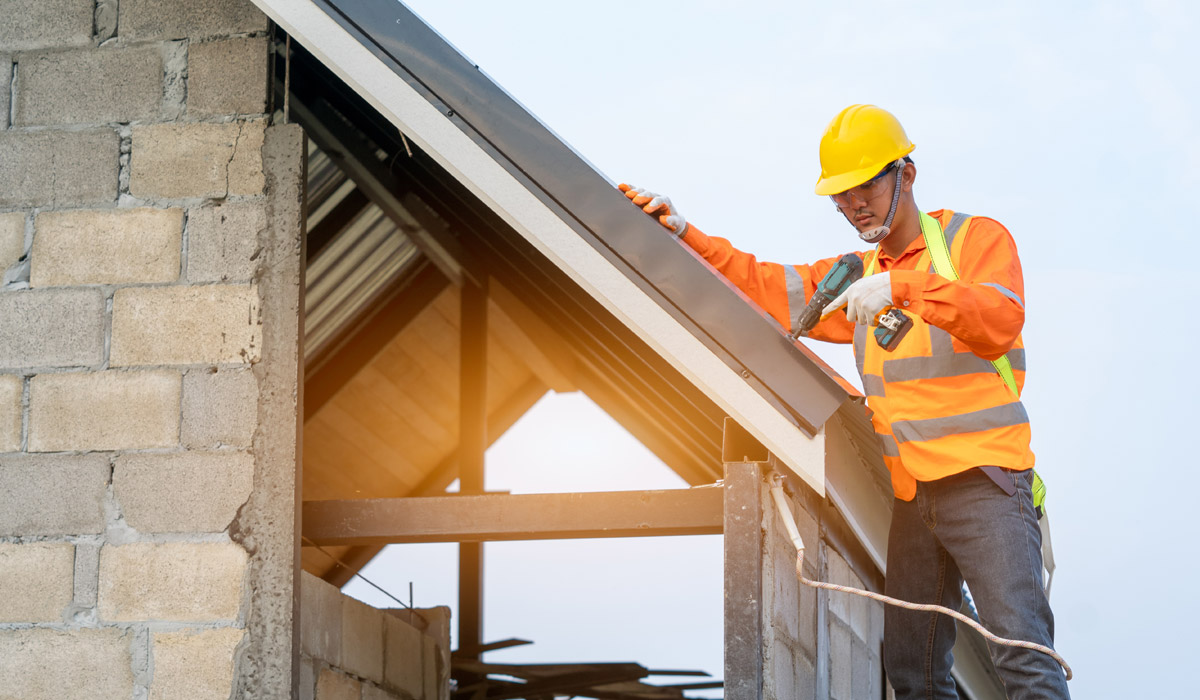
The Common Mistake That’s Killing Your Shingle Roof
The single biggest mistake that’s killing your shingle roof is blocking, ignoring, or underestimating the importance of attic ventilation.
Sometimes this mistake is made by contractors who cover soffit vents with insulation, or by homeowners who close vents thinking they’ll keep heat in during winter. In other cases, it’s simply neglect — never checking if ridge vents are clogged or if the airflow system is working as intended.
Signs this mistake is already happening include:
Shingles curling, cracking, or blistering.
Dark streaks or mold growth in the attic.
Ice dams forming along the roofline in winter.
Sky-high energy bills in summer from overworked air conditioning.
Musty odors in the attic or upstairs rooms.
How Improper Ventilation Damages Your Shingles
When your attic traps hot air, shingles deteriorate from the underside. This speeds up oil evaporation within the asphalt, causing them to become brittle, crack, or warp. The result? A roof that may only last half as long as advertised.
Poor ventilation also creates a perfect environment for ice dams in cold climates. Warm air rising into the attic melts snow on the roof, which then refreezes at the eaves. These dams push water back under shingles, leading to leaks and structural damage.
In summer, the opposite problem occurs: shingles bake under excessive heat. This not only weakens the roofing system but also drives cooling costs through the roof.
If your home already shows signs of premature shingle wear, upgrading with professional shingle roofing services is the first step toward restoring protection. But unless the ventilation issue is corrected, new shingles will face the same fate as the old ones.
How to Spot Ventilation Issues Before It’s Too Late
Fortunately, you don’t need to be a roofing expert to recognize ventilation problems. A quick look around your attic and roof can reveal a lot.
Start with the attic: do you see damp insulation, discoloration on the rafters, or signs of mold? These are strong indicators of poor airflow. Next, step outside and check for ridge or gable vents — if you don’t see any, or if they appear blocked, your attic likely isn’t getting the ventilation it needs.
Another red flag is excessive heat upstairs. If your second floor is always sweltering in summer, trapped attic heat could be the culprit.
The best way to confirm the problem is through a professional free roof inspection. Experienced roofers can measure airflow, spot hidden blockages, and recommend cost-effective fixes before the damage spirals out of control.

Fixing the Mistake That’s Killing Your Shingle Roof
The good news is that ventilation mistakes are fixable — and usually for far less than the cost of a full roof replacement.
Some common solutions include:
Installing or unblocking soffit vents to allow air intake.
Adding ridge vents for balanced exhaust airflow.
Using attic fans to regulate temperature and moisture.
Removing insulation that’s blocking airflow pathways.
Professional roofers can design a ventilation system tailored to your home’s size and layout. By addressing the root cause, you not only protect your shingles but also create a healthier, more energy-efficient home.
How Avoiding This Mistake Extends Your Roof’s Lifespan
At the end of the day, the mistake that’s killing your shingle roof doesn’t have to be permanent. With proper ventilation, shingles age at the pace manufacturers intend — often 25 to 30 years for quality materials. You’ll also save money on cooling costs, reduce the risk of mold and rot, and avoid costly emergency repairs.
A well-ventilated roof is more than just durable; it’s a smarter investment in your home’s future. By recognizing and fixing this mistake early, you extend your roof’s lifespan, protect your family’s comfort, and preserve your property’s value.
If you’ve noticed any warning signs, don’t wait for the damage to spread. A professional inspection today could save you thousands tomorrow — and keep your shingles strong for decades to come.