

Why a Seasonal Roof Care Calendar Protects Your Home
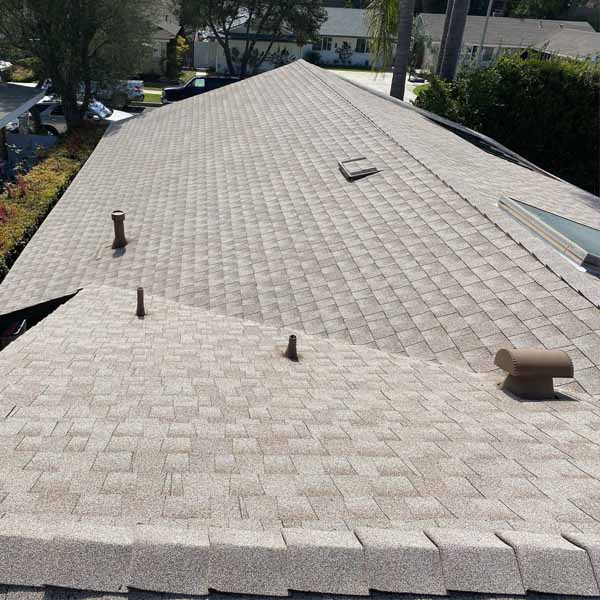
Your roof isn’t just shingles, tiles, or panels — it’s your home’s first line of defense against rain, wind, heat, and snow. Yet many homeowners only think about their roof when something goes wrong. The reality is that even small, seasonal roof care tasks can prevent major problems down the road. That’s where a Seasonal Roof Care Calendar becomes essential.
Neglecting maintenance often leads to costly emergency repairs. A missing shingle in spring can become a major leak by summer storms. A clogged gutter in fall can create ice dams in winter. Each of these could cost thousands of dollars to fix — but they’re avoidable with a little structure and consistency.
Your climate also plays a role. A roof in Los Angeles faces UV and heat stress that differ from what a roof in Chicago or Denver might endure. A personalized calendar allows you to plan around these seasonal risks, giving your roof the best chance at longevity.
One of the smartest ways to get started is by booking a free roof inspection. A professional set of eyes can identify risks you might overlook and help you build a stronger foundation for your maintenance schedule.
Core Principles of a Seasonal Roof Care Calendar
At its core, a seasonal calendar breaks your roof’s needs into manageable chunks. Instead of overwhelming yourself with the idea of “roof care,” you assign smaller, season-specific tasks you can realistically commit to.
Some tasks are universal: inspecting shingles, checking gutters, and looking for water stains inside the attic. These should appear in every season’s checklist. Others are season-specific, like snow removal in winter or storm preparation in summer.
The key to success is consistency. Keep a simple notebook, digital calendar, or even a smartphone reminder app dedicated to your roof tasks. This reduces the risk of forgetting and builds a rhythm you’ll actually follow.
Example Seasonal Checklist Template
Spring: Post-winter inspection, gutter clearing, attic ventilation check
Summer: Check for UV damage, storm-proof the roof, inspect flat roof drainage
Fall: Clear leaves, inspect flashing, check chimney seals
Winter: Manage snow load, prevent ice dams, monitor attic insulation
Spring Roof Maintenance Tasks for a Healthy Start
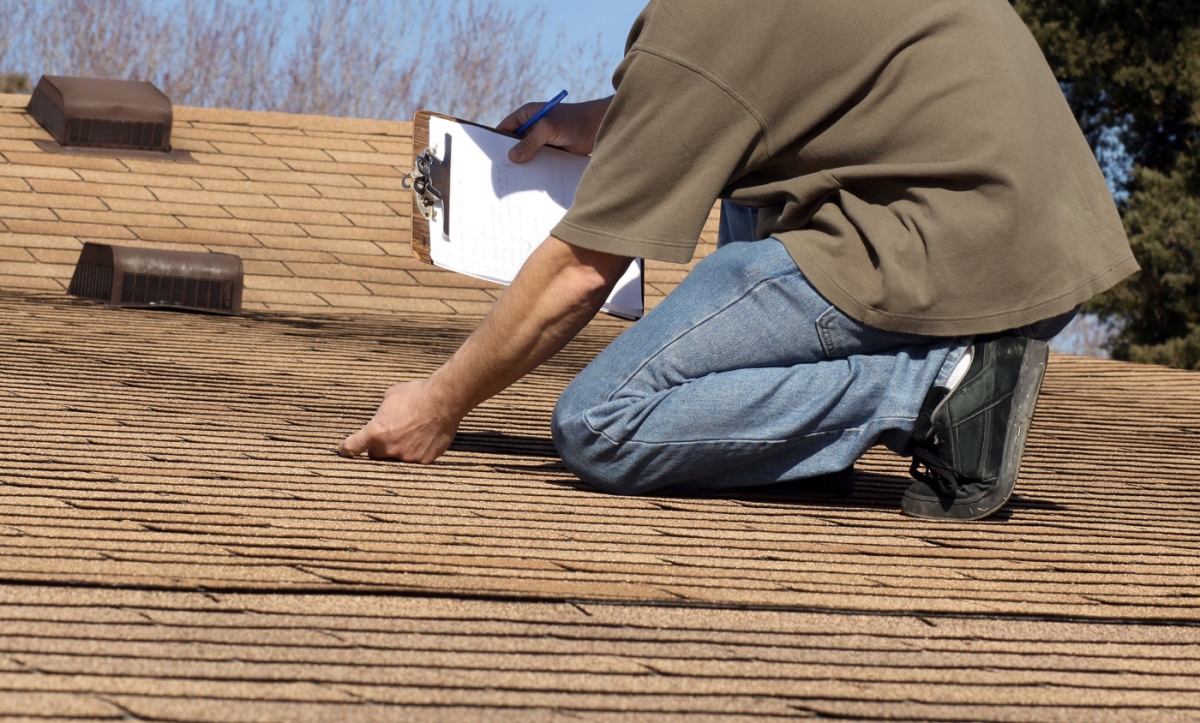
Winter is tough on roofs. Snow, ice, and cold winds often leave behind small but damaging issues. Spring is the ideal time to assess the damage and prepare for the year ahead.
Post-Winter Inspection of Shingles and Flashing
Look closely at your shingles. Are they cracked, curled, or missing? Damaged shingles are a leading cause of leaks. Flashing — the thin material around chimneys, skylights, and vents — should also be checked for rust, lifting, or separation.
Spotting Cracked, Curling, or Missing Shingles
Not all damage is obvious. A shingle with slight curling at the edges can still let water creep underneath. A tiny crack can grow under summer heat. When in doubt, call a professional. If your home relies on shingles, scheduling shingle roof services in spring ensures issues are handled early.
Cleaning Gutters and Removing Debris
Gutters clogged with leaves, twigs, and grit from asphalt shingles cause water to pool and back up. This leads to rotting fascia boards and foundation issues. Spring cleaning keeps water moving away from your roof and home.
Checking Attic Ventilation
After months of closed-up cold, your attic may have trapped moisture. Poor ventilation encourages mold growth and weakens your roof structure. A quick inspection of vents ensures air is circulating properly.
Summer Roof Care for Heat and Storm Resistance
As temperatures rise, your roof faces two major stressors: UV rays and summer storms. Both can shorten your roof’s lifespan without preventive care.
Checking for UV Damage and Heat Stress
Constant sun exposure dries out shingles and makes them brittle. Tile and flat roofs can also crack under prolonged heat. Look for discoloration, warping, or brittle edges.
Ensuring Proper Drainage Before Heavy Rains
Storms bring heavy rainfall that tests your roof’s drainage capacity. Water should move quickly off the surface and through gutters. Pooled water is especially dangerous for flat roofing systems.
Why Flat Roofs Need Special Drainage Checks During Summer Storms
Flat roofs handle water differently than pitched systems. Even slight pooling can lead to leaks. If your home has a flat roof, summer is the time to consider flat roof services to reinforce drainage and sealing before storm season hits.
Storm-Proofing: Securing Loose Shingles and Flashing
High winds can lift even slightly loose shingles. Inspect and secure weak spots. Trim tree branches that could fall onto your roof during a storm.
Fall Roof Care to Prepare for Harsh Weather
Fall is preparation season. Everything you do now helps your roof survive the coming winter months.
Clearing Fallen Leaves and Preventing Clogged Gutters
Leaves are your roof’s biggest enemy in fall. They trap moisture, clog gutters, and create breeding grounds for mold. Stay ahead with regular cleanings.
Checking Flashing, Seals, and Caulking
Moisture intrusion increases as temperatures drop. Inspect flashing around chimneys and skylights, and reseal where needed.
Inspecting Chimneys, Skylights, and Vents for Leaks
These penetrations are weak points in any roof system. Early repairs prevent winter water intrusion.
Tile Roofs and Seasonal Shifts: Why Tiles Expand and Contract Differently
Tile roofing is durable but not immune to seasonal stress. Temperature swings cause expansion and contraction that can crack mortar or loosen tiles. A fall inspection with tile roof services ensures your tile system is winter-ready.
Winter Roof Care to Prevent Ice and Snow Damage
Winter is the hardest season on roofs, particularly in colder climates. A proactive plan helps prevent costly emergencies.
Managing Snow Accumulation and Ice Dams
Heavy snow creates weight stress. Ice dams form when melted snow refreezes at the roof edge, pushing water back under shingles.
Safe Snow Removal Techniques Every Homeowner Should Know
Use a roof rake with an extended handle instead of climbing onto your roof. For heavy snow loads, consider professional removal to avoid personal injury or roof damage.
Importance of Attic Insulation and Airflow
A well-insulated and ventilated attic prevents heat loss, which reduces ice dam formation. It also helps regulate indoor temperatures, lowering heating costs.
Recognizing Early Warning Signs of Winter Roof Stress
Interior water stains, sagging ceilings, or strange creaking noises are all red flags. Early attention prevents major winter disasters.
Expert Resources for Building Your Seasonal Roof Care Calendar
Even the most detailed DIY plan can’t replace professional expertise. Knowing when to call in help is part of responsible roof care.
When to Handle Maintenance Yourself vs. Hiring Professionals
Clearing gutters or trimming small branches can be DIY-friendly. But shingle replacement, flashing repairs, or structural concerns require professional skill and safety equipment.
Creating a Calendar Reminder System That Works Year After Year
Set digital reminders tied to each season. Apps like Google Calendar or home maintenance trackers can alert you when it’s time to tackle each task.
Local Building Code Requirements Every Homeowner Should Understand
Some maintenance tasks intersect with local regulations, particularly when replacing materials or altering roof structure. The Los Angeles Department of Building and Safety provides homeowners with resources and compliance requirements to keep roof work legal and safe.
How a Seasonal Roof Care Calendar Shapes Long-Term Roof Health
A well-planned Seasonal Roof Care Calendar isn’t just a checklist — it’s a long-term investment in your home’s safety and value.
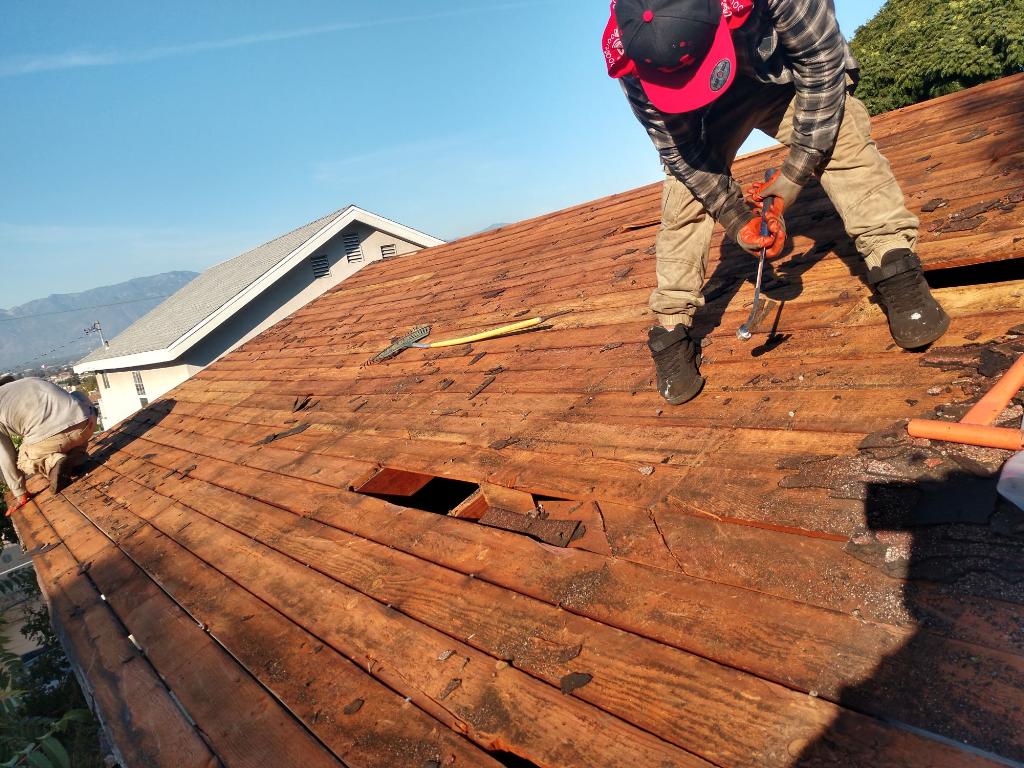
Regular upkeep extends your roof’s lifespan by years, sometimes even decades. Small, inexpensive tasks performed consistently prevent costly replacements and insurance claims.
Perhaps most importantly, a structured plan brings peace of mind. Instead of worrying about unexpected leaks or damage, you’ll know exactly when and how to care for your roof.
Start simple. Build your calendar one season at a time, then refine it each year. Combine DIY maintenance with professional inspections, and your roof will stay strong, season after season.