

Understanding Sunburnt Shingles and UV Roof Damage
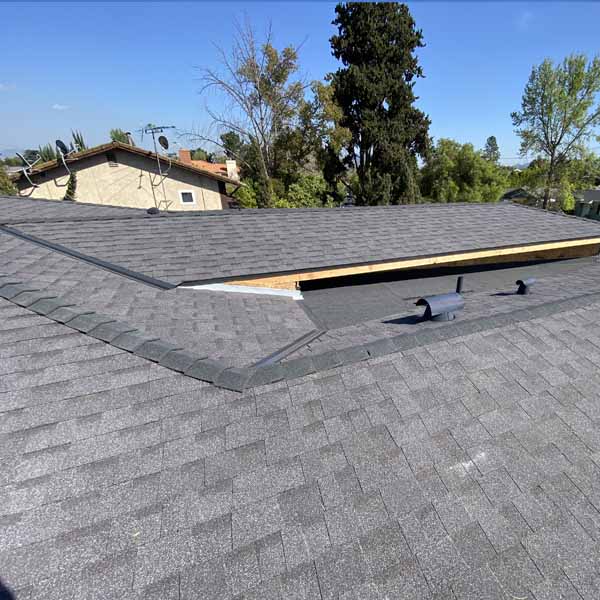
When people hear the phrase sunburnt shingles, they often picture something dramatic, like a roof that’s literally scorched. In reality, it’s less obvious but no less damaging. Sunburnt shingles refer to roofing materials that have deteriorated due to prolonged exposure to ultraviolet (UV) radiation from the sun. Over time, shingles lose their protective oils, dry out, and become brittle.
UV damage is one of the most common reasons for roof aging, particularly in areas with long summers and intense sunlight. Unlike wind or hail, which cause visible damage overnight, UV deterioration is gradual — creeping in day by day until your shingles are too weak to protect your home effectively.
If you’re noticing curling edges, cracks, or patches of missing granules, your shingles may already be suffering sun damage. This is where professional evaluation becomes essential, and a reliable service like shingles roof repair and replacement can make all the difference.
How the Sun Accelerates Roof Aging
The Science of UV Radiation and Roofing Materials
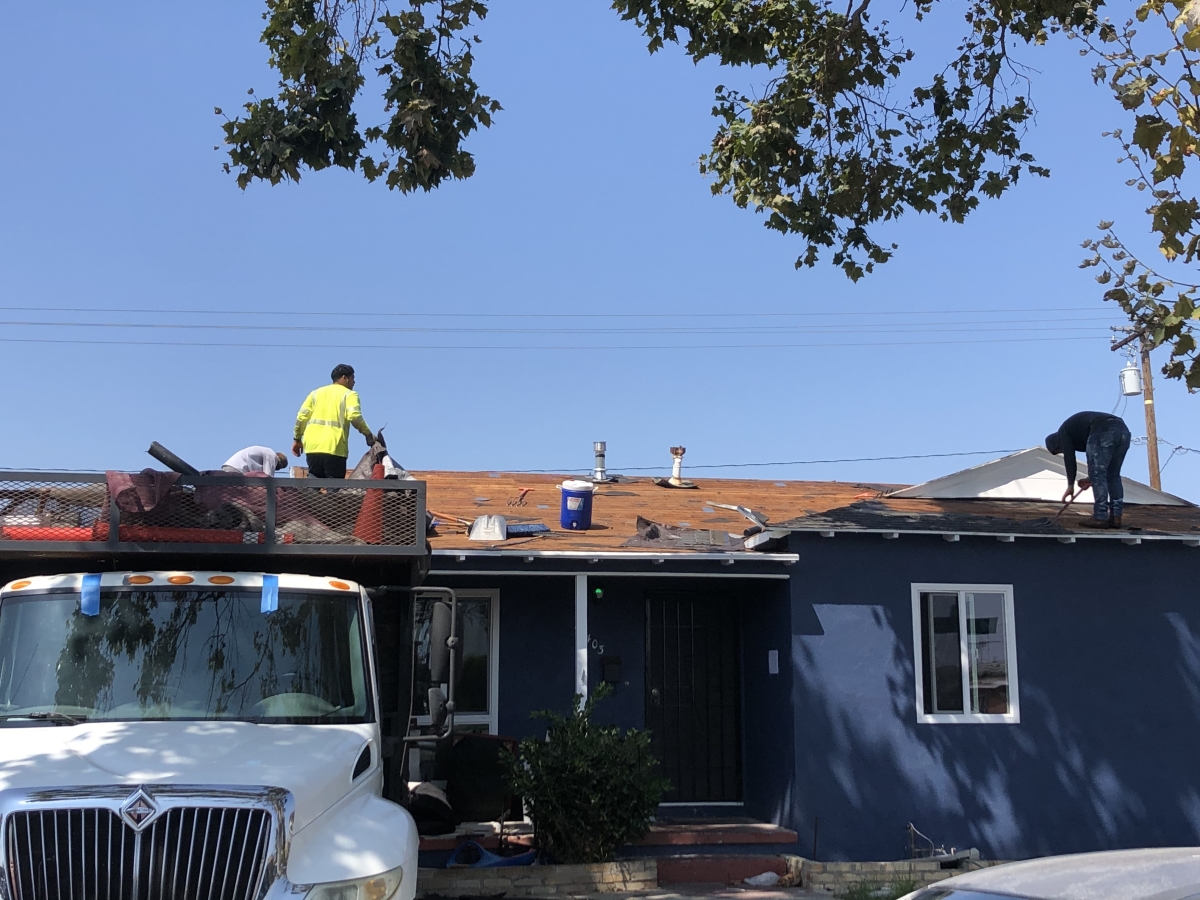
Every roofing material responds differently to UV exposure. Asphalt shingles, the most common type in the U.S., are particularly vulnerable because the oils that bind the material evaporate under constant sunlight. Fiberglass and composite shingles also degrade, though at different rates, depending on their reflective properties.
Over time, UV rays break down the structural integrity of shingles, leaving them brittle and prone to cracking. This process is accelerated in regions with hot, dry climates, where daily exposure to intense sun is relentless. In fact, building codes in warm-weather cities are beginning to account for this, with agencies like the Los Angeles Department of Building and Safety highlighting material standards that address solar stress.
Common Signs of Sunburnt Shingles
UV damage rarely appears overnight, but its effects are easy to spot if you know what to look for:
Curling edges – Shingles start to lift at the corners as they dry out.
Cracking and splitting – Weak shingles lose flexibility, causing breaks.
Granule loss – The protective outer layer sheds into gutters and onto the ground.
Blistering – Heat buildup creates raised pockets on the shingle surface.
Any of these signs suggest a roof nearing the end of its protective life.
Climate Factors That Intensify Sunburnt Shingles
High-Heat Regions and Roof Longevity
Not every roof faces the same risks. Homes in cooler, cloudy areas may see shingles last their full manufacturer-rated lifespan. But in high-heat regions — Arizona, Texas, Southern California, and Florida, to name a few — it’s common for roofs to show significant UV wear well before the warranty period ends.
Roofing professionals in these climates often recommend UV-resistant materials or reflective coatings to counteract the damage. Without these upgrades, the average asphalt shingle roof in hot states might need replacement a decade sooner than its northern counterpart.
Roof Orientation and Shingle Exposure
Another factor many homeowners overlook is roof orientation. South- and west-facing slopes absorb the most sunlight, often leading to uneven wear across the same roof. One side may appear intact while the other is clearly sunburnt. This unevenness makes inspections crucial, as damage may be far worse than what’s visible from ground level.
Preventing UV Roof Damage Before It’s Too Late
Protective Coatings and Reflective Shingles
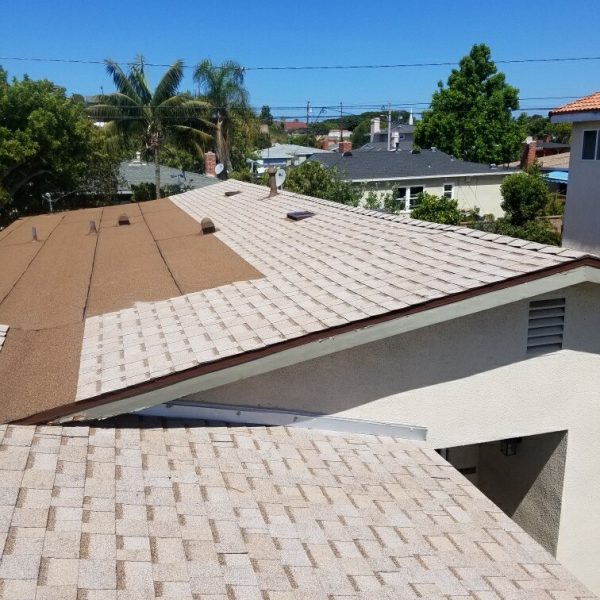
Fortunately, there are proactive measures to slow down roof aging from UV exposure. Some shingles now feature reflective granules that bounce solar rays away, lowering both roof surface temperature and interior cooling costs. Additionally, protective coatings can be applied to extend shingle life by adding another UV-resistant layer.
While these upgrades require upfront investment, they often pay off in longer-lasting roofs and lower energy bills.
Importance of Regular Roof Inspections
Even with advanced materials, roofs aren’t invincible. Regular inspections are the best way to catch problems early, ideally once or twice a year. Professional roofers can identify brittle shingles, granule loss, or warping before the issues escalate.
Homeowners who schedule a free roof inspection service gain peace of mind knowing small repairs can be handled before UV exposure forces a costly full replacement.
Repairing or Replacing Sunburnt Shingles
When Spot Repairs Are Enough
Not every sunburnt roof needs immediate replacement. If the damage is localized — for example, a small section of curling shingles on a south-facing slope — a roofer may recommend patching or replacing just that section. This option is cost-effective in the short term and keeps the home protected.
However, spot repairs only work if the majority of the roof is still in good condition.
Full Replacement and Long-Term Value
When UV damage has spread across the roof, patching becomes a temporary fix at best. Replacing the entire shingle system is often the smarter long-term choice, especially when paired with modern, UV-resistant materials. While the upfront expense may feel steep, a new roof protects against leaks, boosts curb appeal, and increases home value.
For many homeowners, the return on investment justifies the decision — especially when factoring in avoided repairs, water damage costs, and energy savings.
How Sunburnt Shingles Shape the Future of Roofing Materials
Sunburnt shingles may sound like a homeowner’s headache, but they’re also driving innovation in the roofing industry. Manufacturers are now developing solar-reflective shingles, cool-roof coatings, and even integrated solar tiles designed to withstand intense UV radiation while generating renewable energy.
As climate change brings hotter summers and stronger sun exposure, building codes and industry standards are shifting too. Homeowners can expect future roofing materials to emphasize sustainability, energy efficiency, and long-term durability against UV stress.
In many ways, today’s challenges with sunburnt shingles are shaping tomorrow’s solutions — ensuring future roofs do more than protect against rain. They’ll also combat heat, lower energy bills, and extend the life of homes in increasingly sun-drenched environments.