

Understanding Which Roof Repairs Aren’t Worth the Risk
Every homeowner eventually faces a roof problem, whether it’s a small leak, missing shingles, or a sagging section after a heavy storm. The first instinct is often to ask: Can I fix this myself, or should I call a professional? The answer isn’t always straightforward. While some minor fixes can be tackled with basic tools, many repairs come with risks that go far beyond the visible problem.
Roofing is inherently dangerous—balancing at heights, handling heavy materials, and working around hidden structural issues all add layers of risk. What looks like a simple patch may actually hide a deeper issue with decking, framing, or water infiltration. Misjudging that complexity can lead to bigger repair bills or even personal injury.
This is where professional evaluation becomes crucial. A free inspection can help determine whether a job is truly DIY-friendly or if it requires licensed expertise. Understanding which roof repairs aren’t worth the risk is less about saving money today and more about protecting your safety and home long-term.
Minor Roof Repairs That Homeowners Can Safely Attempt
Not every roofing task requires calling a contractor. There are a few low-risk repairs that can be safely done by handy homeowners.
Small Shingle Replacements
Replacing a single missing or cracked shingle is generally manageable for someone comfortable with a ladder and basic tools. It’s important, however, to match the shingle type and nail placement carefully to prevent leaks. If the damage extends beyond one or two shingles or covers a larger section, it’s safer to rely on shingle roof services to avoid misaligned installation.
Clearing Gutters and Removing Debris
One of the most overlooked maintenance tasks is gutter cleaning. Clogged gutters cause water to pool on the roof, leading to leaks and rot. This task is relatively safe if done with sturdy ladders, gloves, and protective eyewear. Removing branches, leaves, and other debris from the roof surface can also prevent punctures and standing water.
Simple Sealant or Caulking Applications
Minor gaps around flashing, skylights, or vents can sometimes be sealed with roofing caulk. However, homeowners must be cautious: improper sealing can trap water instead of diverting it, causing worse damage over time. If leaks persist after a sealant application, it’s a sign of a bigger issue.
Routine Visual Inspections from Ground Level
A safe and often overlooked “repair” is simply knowing what’s happening on your roof. Using binoculars or even a smartphone camera, you can look for signs of curling shingles, sagging sections, or damaged flashing. These visual checks provide early warnings without the risk of climbing onto the roof.
Which Roof Repairs Aren’t Worth the Risk for DIYers
While small maintenance tasks are manageable, many roofing jobs are too complex or hazardous for homeowners to attempt.
Full Shingle or Tile Roof Replacements
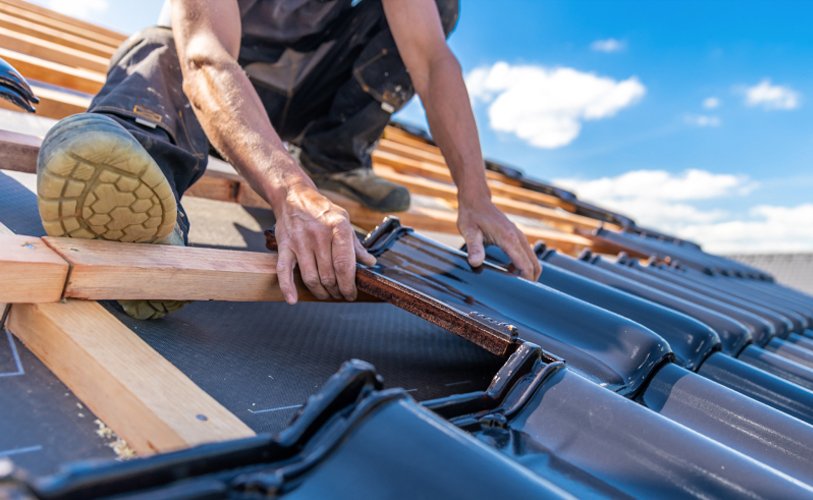
Replacing large sections of shingles or tile is not the same as patching one missing piece. Aligning rows, ensuring proper underlayment, and handling heavy tile require training and specialized equipment. Incorrect installation can void warranties and compromise the entire system. Professional tile roof services exist for this reason—they’re equipped to handle weight, slope, and material-specific techniques.
Flat Roof Repairs and Membrane Systems
Flat roofs may look easier to repair than pitched ones, but in reality, they are far more technical. Membrane systems require precise heat welding or adhesive application. A patch applied incorrectly can allow water infiltration that spreads unnoticed beneath the surface. This makes professional flat roof services the safer route for long-term stability.
Hidden Structural or Framing Damage
If decking is soft underfoot or the roofline shows sagging, the problem likely involves structural elements. Attempting to repair framing without expertise risks collapse and serious injury. These repairs should always be left to professionals with carpentry and load-bearing knowledge.
Electrical and Ventilation Interference
Roofs often intersect with wiring, HVAC systems, and venting. DIYers risk cutting through electrical conduits or improperly sealing vents, leading to fire hazards or compromised air quality.
Steep Slopes and Multi-Story Roofs
Even experienced DIYers underestimate the hazards of height. Working on steep slopes without professional harnesses, anchors, and scaffolding is dangerous. Falls remain one of the leading causes of construction-related fatalities. Local authorities like the DBS safety codes mandate specific protections for roof work at height, underscoring why homeowners should not attempt it.
OSHA and Local Code Requirements for Roof Work
Beyond physical risk, roofing is heavily regulated. OSHA standards require fall protection for certain heights, while local codes dictate installation methods and materials. A homeowner attempting roof repairs without this knowledge could unintentionally violate regulations, risking fines, failed inspections, or invalidated insurance. Professionals are trained to meet these requirements, protecting both safety and compliance.
Warning Signs That Indicate Professional Roof Repair Is Necessary
Knowing which roof repairs aren’t worth the risk also means recognizing the warning signs that demand professional intervention.
Persistent or Widespread Leaks
A single drip might seem manageable, but recurring or multiple leaks indicate systemic failure. Water stains on ceilings, damp insulation, or visible mold mean the problem is beyond caulking and must be handled by a roofer.
Sagging Rooflines or Visible Structural Stress
A sagging ridge line or bowing roof section signals compromised decking or framing. This is not just a repair issue—it’s a potential collapse hazard. Homeowners noticing these symptoms should immediately schedule an inspection.
Repeated DIY Fixes That Keep Failing
If you’ve patched the same spot more than once, and it keeps leaking, the problem isn’t surface-level. Repeated DIY fixes only mask the underlying issue, leading to more costly repairs later.
Professional Inspections vs DIY Guesswork
Relying on visual checks alone can only go so far. Professional inspections provide insights that DIY methods cannot match.
Value of Expert Diagnostics
Roofing contractors use moisture mapping, drones, and thermal imaging to detect problems invisible to the naked eye. These tools allow them to identify hidden leaks, insulation failures, and areas of structural weakness.
Cost vs Safety: Why Professional Repairs Pay Off
Many homeowners attempt DIY repairs to save money. But factoring in tool rentals, safety gear, and the risk of repeat work, DIY often ends up costing more. Worse, an improper repair can void manufacturer warranties or cause insurance claims to be denied. Professional work ensures the job is done right the first time.
How Inspections Prevent Emergency Repairs
Storms and seasonal extremes magnify existing roof problems. A professional inspection before the rainy or snowy season helps catch small issues before they escalate into emergencies, saving thousands in urgent repair costs.
How Knowing Which Roof Repairs Aren’t Worth the Risk Protects Your Home Long-Term
At the end of the day, understanding which roof repairs aren’t worth the risk is about balancing safety, cost, and long-term value. While replacing a shingle or cleaning a gutter can be done safely, attempting full roof replacements, structural fixes, or flat roof repairs without training is a gamble most homeowners cannot afford.
Choosing a professional doesn’t just protect your home—it protects your health, your family, and your financial investment. With preventive measures like regular inspections and professional service calls, you extend your roof’s lifespan, avoid sudden disasters, and gain peace of mind knowing the job was done right.
The smartest step homeowners can take is to recognize their limits and trust qualified roofers when the risks outweigh the reward. In roofing, the difference between DIY and professional often comes down to one critical factor: safety.