

When preparing to buy, sell, or refinance a home, one question looms large: what home inspectors look for in roofs. A roof is not just a layer of shingles or tiles — it’s a complex system protecting the entire structure. Inspectors know that a compromised roof can lead to costly repairs, insurance issues, and even failed home sales. For homeowners, understanding what inspectors check can mean the difference between passing with flying colors or facing a long repair list.
In this guide, we’ll explore the major roof inspection criteria, why they matter, and how to prepare your home for a smooth inspection process.
Why Understanding What Home Inspectors Look for in Roofs Matters
The roof is one of the first features buyers notice — and one of the top concerns for lenders and insurers. A poor inspection can lower property value, complicate closing, or even result in denial of coverage. Conversely, a well-maintained roof boosts curb appeal, reassures buyers, and supports energy efficiency.
Proactive homeowners can avoid unpleasant surprises by scheduling a free roof inspection before listing or refinancing. Identifying issues early means repairs can be made on your terms, not under a buyer’s deadline.
Structural Integrity and Roofing Framework
Signs of Sagging or Weak Roof Decking
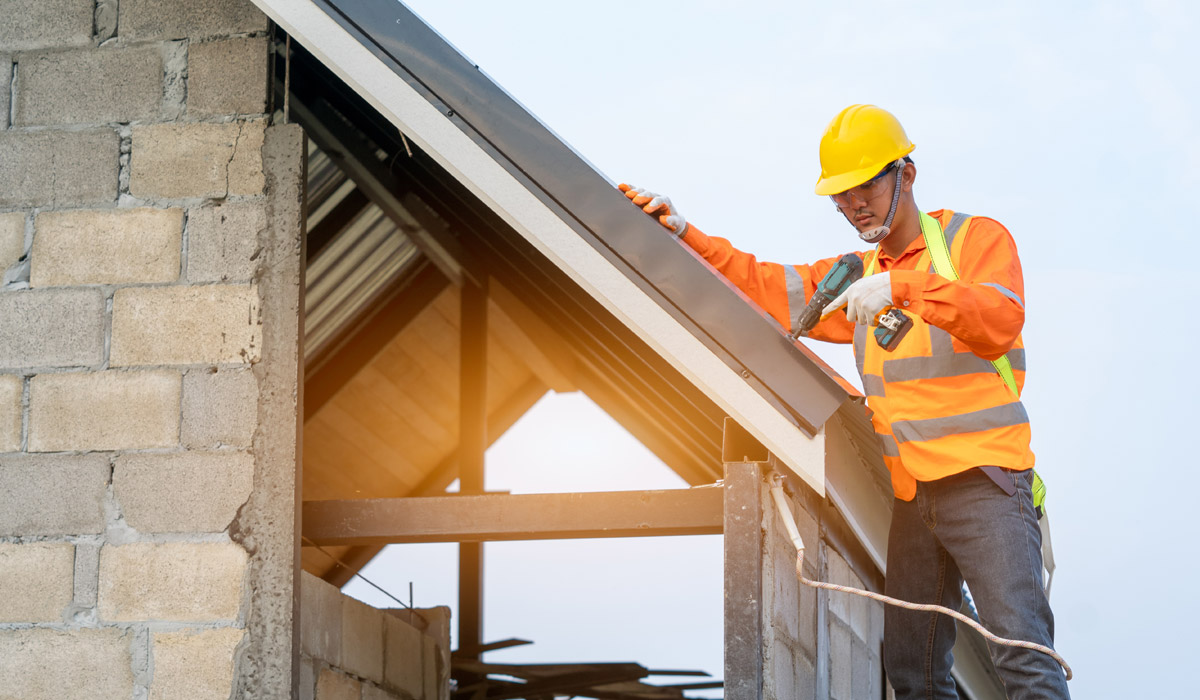
Inspectors begin by scanning the roofline for sagging, uneven slopes, or visible depressions. Inside the attic, they may walk carefully to test for soft spots and check decking for rot. Weak decking is a sign of water intrusion or structural fatigue, both of which can undermine safety.
Flat systems are particularly vulnerable since ponding water stresses the deck over time. That’s why services like flat roof repair and inspection often emphasize structural reinforcement.
Flashing, Valleys, and Penetration Points
Flashing protects the seams around chimneys, skylights, vents, and valleys. Inspectors know that improperly sealed flashing is the number one cause of roof leaks. Rusted metal, dried caulk, or lifted flashing quickly land on the inspection report.
Load-Bearing Capacity and Roof Age
Beyond surface condition, inspectors assess whether the roof can safely carry snow, debris, or high winds. Older framing may not meet modern standards. If a roof is pushing 20–30 years, age alone can trigger inspection concerns, regardless of visible damage.
Roofing Materials and Surface Condition
Shingles Roofs Under Inspection
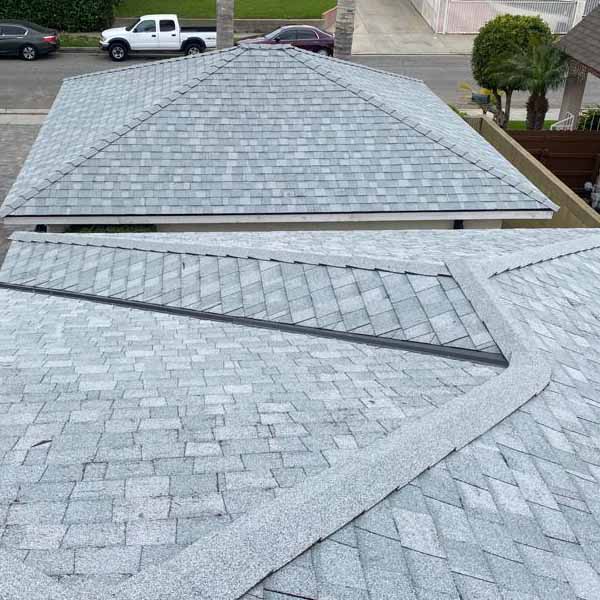
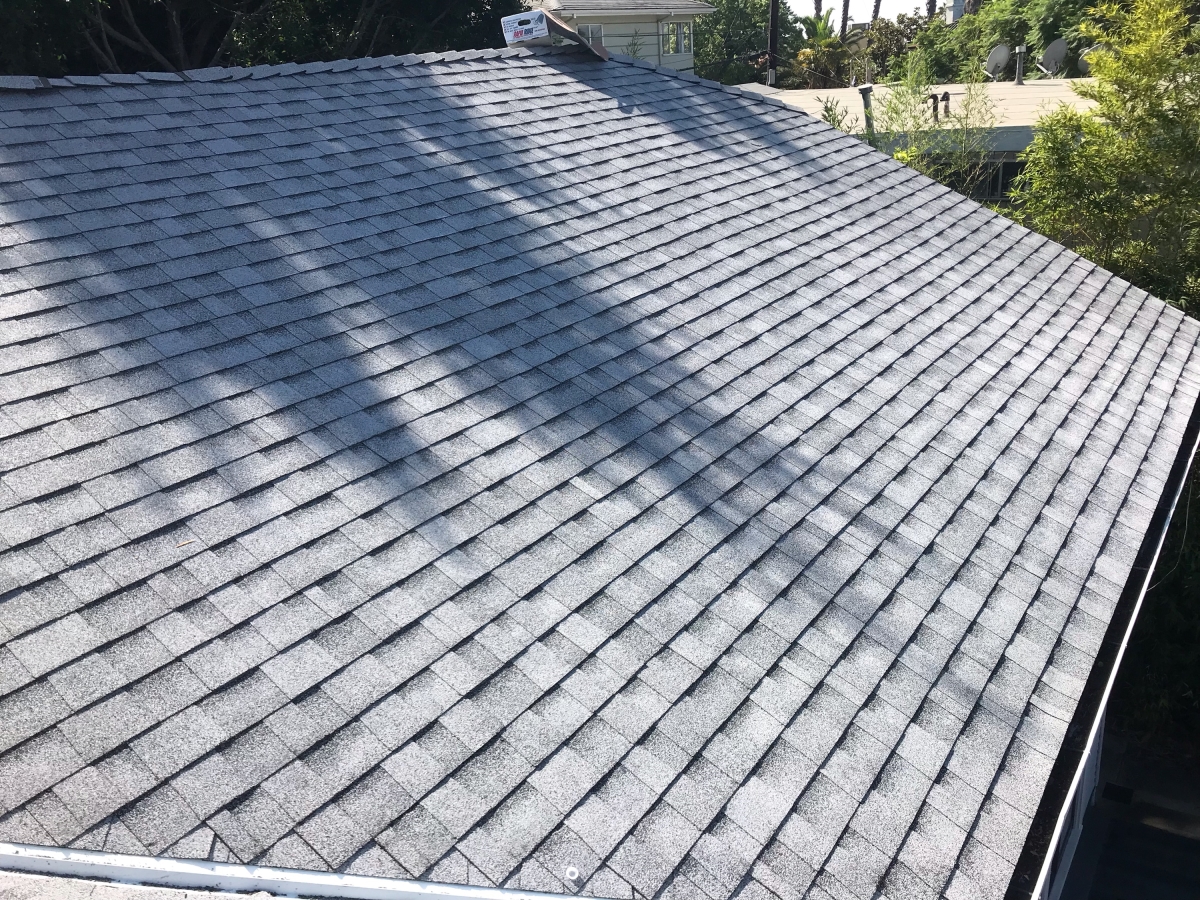
For shingle roofs, inspectors check for missing or curling shingles, granule loss, and improper nailing. They’ll also note whether shingles are brittle, cracked, or patched haphazardly. Such issues can affect not just appearance but insurance eligibility.
Homeowners with older systems often benefit from professional shingle roof services to replace or reinforce vulnerable areas before inspection day.
Asphalt vs. Architectural Shingles — What Inspectors Notice
Asphalt three-tab shingles: Lightweight and affordable, but prone to curling and blowing off. Inspectors often flag these for premature wear.
Architectural shingles: Heavier and more durable, but if improperly installed, they can still buckle or lift. Inspectors focus on uniformity and seal integrity.
Flat Roof Durability Factors
Flat roofs are notorious for water-related issues. Inspectors look closely for ponding water, blistering membranes, and cracked coatings. They’ll also assess slope to confirm proper drainage. Poor design or clogged drains are common red flags.
This is why scheduling a flat roof inspection before buyers or insurers get involved can save significant headaches.
Tile Roof Longevity Concerns
Tile roofs are prized for beauty and longevity, but inspectors know they hide problems well. Broken tiles, slipped pieces, or deteriorated underlayment are often invisible to homeowners but obvious to trained eyes. Even minor tile displacement can expose the roof deck to water damage.
Proactive homeowners often invest in tile roof services to replace broken tiles and inspect the underlayment before formal inspections.
Water Damage, Leaks, and Moisture Red Flags
Interior and Attic Signs of Roof Trouble
Inspectors don’t just look at the exterior. Inside, they’ll check ceilings, walls, and attic spaces for stains, mold, or musty odors. Wet insulation is another clue that a roof has been leaking, even if the surface looks fine.
Proper Ventilation and Insulation Balance
A healthy roof isn’t just about shingles or tiles — ventilation matters. Inspectors evaluate ridge vents, soffits, and attic airflow. Poor ventilation can trap heat and moisture, leading to mold growth and premature roof failure. Ice dams in colder climates are also a telltale sign of ventilation imbalance.
Gutters and Drainage Systems as Inspection Clues
Clogged gutters, sagging downspouts, or water stains on fascia boards are inspection red flags. Inspectors know that poor drainage often leads to roof and foundation issues, even if the shingles themselves look fine.
Safety Standards and Building Code Compliance
Roof Access and Safety Hazards
Inspectors assess not just the roof but also how safely it can be accessed. Loose ladders, missing anchor points, or unsafe walkways may appear on the report. In some cases, inspectors will decline to walk unsafe roofs, relying instead on binoculars or drones.
Compliance With Local Building Codes
Beyond condition, inspectors verify whether roofs comply with local codes. In Los Angeles, for example, homeowners can reference the Department of Building and Safety to understand requirements for reroofing, underlayment standards, and ventilation codes.
Roofing Permits and Documentation Review
Inspectors may ask to see repair records, warranties, or permits for past work. Unpermitted repairs often raise red flags, even if the workmanship looks acceptable. Buyers and lenders want assurance that work was done to code.
How to Pass a Roof Inspection With Flying Colors
Proactive Maintenance Steps Every Homeowner Should Take
Regular maintenance makes inspections smoother. Seasonal gutter cleaning, trimming overhanging branches, and replacing missing shingles prevent problems before they escalate. Scheduling a free roof inspection ensures small issues are spotted and fixed early.
Professional Repairs and Material-Specific Care
DIY patches rarely satisfy inspectors. Professional repairs tailored to the roof type — whether shingles, flat, or tile — hold up better and demonstrate due diligence. Roofing contractors provide documented work, which inspectors and buyers both appreciate.
When It’s Time to Repair or Replace Your Roof
Sometimes, maintenance isn’t enough. Widespread leaks, sagging structure, or multiple failed patches usually mean replacement. Knowing when to invest in a new roof — and choosing the right material — helps avoid repeated inspection failures. Internal service options like shingles, flat, and tile roof services can guide homeowners toward the best solution.
How Knowing What Home Inspectors Look for in Roofs Prepares You for the Future
Understanding what home inspectors look for in roofs empowers homeowners to take control. Instead of reacting to inspection reports with costly, last-minute fixes, you can plan ahead. Proactive care boosts resale value, strengthens insurance eligibility, and extends your roof’s lifespan.
By anticipating inspection criteria and scheduling professional evaluations, you’re setting yourself up not just to pass with flying colors — but to enjoy peace of mind knowing your roof is strong, safe, and built to last.