

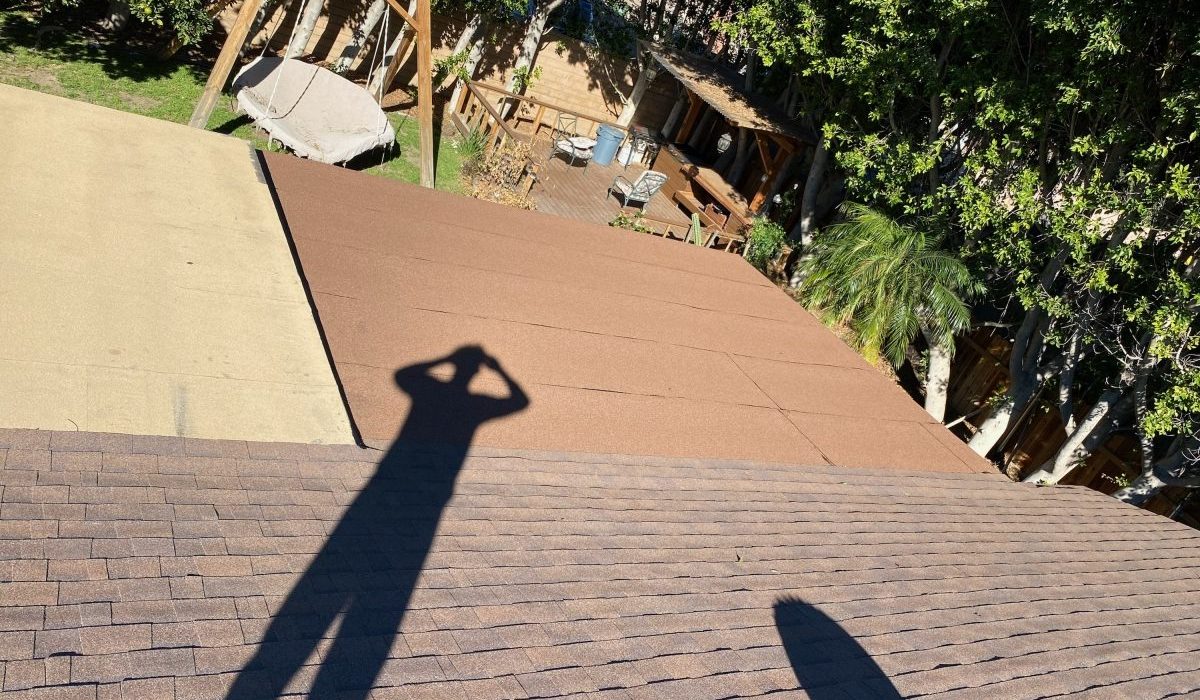
Why Asking “Can Your Roof Survive the Next Storm” Matters
Severe weather is no longer a rare occurrence—it’s something most homeowners will face multiple times a year. Hurricanes, hail, heavy rain, and high winds can cause sudden roof failures, and even smaller storms gradually weaken roofing systems over time. That’s why asking “Can your roof survive the next storm?” isn’t just a precaution; it’s a necessity for protecting your home and finances.
The Rising Frequency of Severe Weather Events
Studies show that storms are becoming more frequent and more intense across the United States. Roofs that might have lasted decades in the past now face stress from conditions they weren’t originally designed to withstand.
Common Types of Roof Damage in Storms
High winds lift shingles, hail dents and cracks materials, and water infiltrates through even the smallest openings. Once water finds a path inside, it can lead to rot, mold, and costly structural damage.
Hidden Costs of Ignoring Roof Maintenance
A single storm-related repair might seem minor, but repeated neglect shortens roof lifespan dramatically. What could have been fixed with a quick repair often escalates into a full replacement years ahead of schedule.
Building Codes and Storm Preparedness
Many cities update building codes to address rising storm risks. For example, the Los Angeles Department of Building and Safety provides guidelines for homeowners to strengthen their properties against severe weather. Staying informed about these requirements not only protects your home but also ensures compliance.
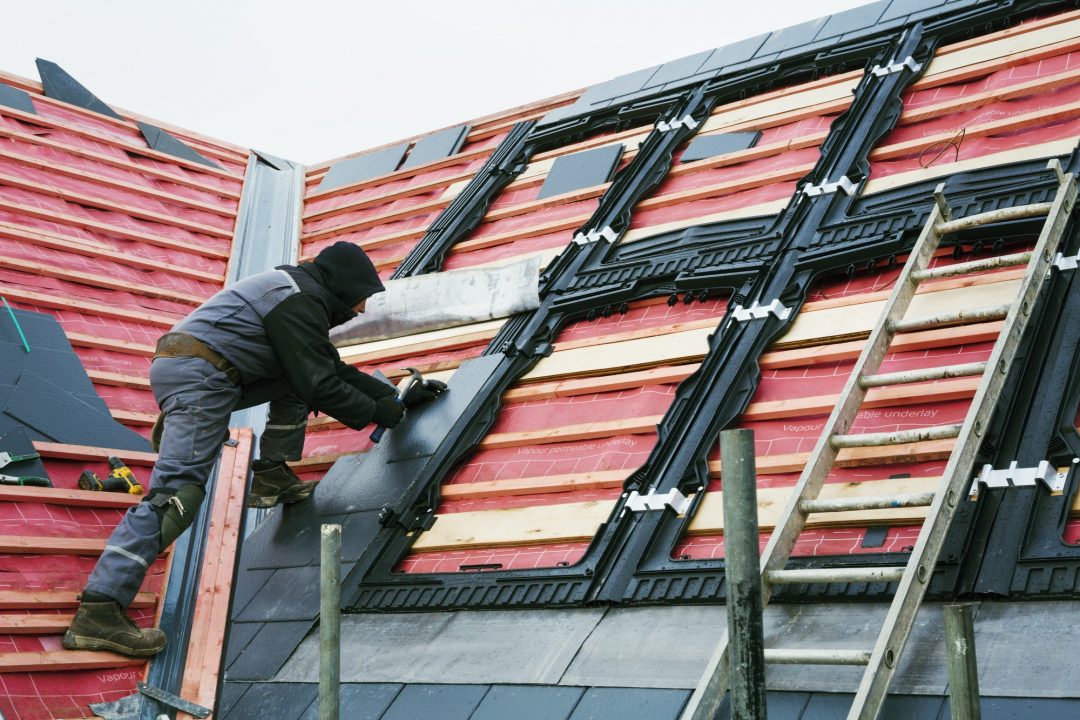
Tip 1 – Schedule a Professional Roof Inspection Before Storm Season
What a Storm-Ready Roof Inspection Covers
A thorough inspection checks shingles, flashing, gutters, skylights, and ventilation. Professionals know how to spot small cracks, loose materials, or subtle leaks that the average homeowner would overlook.
Spotting Issues Before They Become Emergencies
Imagine discovering a leak during a storm, when water is already dripping into your attic. Preventative inspections reduce the risk of last-minute chaos and expensive emergency calls.
Why Free Inspections Save Money Long-Term
The best part? Many roofing companies offer no-cost inspections. A free roof inspection provides peace of mind without financial commitment—making it one of the smartest first steps in storm preparation.
Tip 2 – Use a Full Satellite Report to Assess Roof Vulnerabilities
How Satellite Imaging Reveals Hidden Weaknesses
Technology now allows contractors to assess your roof’s structure without climbing up. High-resolution satellite imaging identifies weak spots, damaged shingles, or sagging sections that might not be visible from the ground.
Comparing Manual vs. Digital Roof Assessments
While traditional inspections remain valuable, digital assessments reduce human error and provide precise measurements. They also create a baseline record of your roof’s condition before storm season.
Convenience for Homeowners Who Can’t Access Their Roof
For homes with steep or high roofs, this tool is invaluable. A full satellite report gives homeowners detailed insight without risking safety or waiting for clear weather.
Tip 3 – Reinforce Roofing Materials for Better Storm Resistance
Choosing Impact-Resistant Shingles
Standard asphalt shingles can only handle so much. Impact-resistant shingles are designed to withstand hail and debris, offering far greater durability.
Metal Roofing as a Long-Term Investment
Metal roofing may cost more upfront, but its storm resistance and longevity make it a strong investment for storm-prone areas. It often lasts twice as long as shingles.
Balancing Durability with Cost
Not every homeowner needs a total replacement. Sometimes targeted reinforcements, like upgrading the most vulnerable sections, provide the best cost-to-benefit ratio.
Tip 4 – Secure Gutters, Downspouts, and Drainage Systems
How Poor Drainage Leads to Structural Damage
Blocked or broken gutters cause water to pool on the roof, which eventually seeps under shingles and weakens the structure.
Best Practices for Gutter Cleaning and Repair
Clean gutters twice a year, and especially before storm season. Secure loose sections with brackets and replace any broken downspouts.
Storm-Resistant Upgrades for Gutters
Consider installing larger downspouts or gutter guards to improve flow during heavy rainfall. These small investments reduce the risk of overflow and water damage.
Tip 5 – Trim Overhanging Trees and Remove Roof Debris
The Hidden Dangers of Overhanging Branches
Branches scraping your roof may seem harmless, but during storms, they become battering rams that rip off shingles or punch holes through roofing materials.
How Debris Accelerates Roof Deterioration
Leaves and small debris trap moisture on the roof’s surface, creating mold and decay over time.
Safe Roof Cleaning Methods Homeowners Can Use
Use a leaf blower or long-handled broom rather than climbing onto the roof with heavy tools. When in doubt, hire a professional for safe debris removal.
Tip 6 – Strengthen Flashing, Sealants, and Roof Penetrations
Flashing as the First Line of Defense
Flashing around chimneys, skylights, and vents is one of the first areas to fail in storms. Loose flashing gives water a direct path into your home.
Sealing Chimneys, Skylights, and Vents
Resealing these areas with high-quality materials prevents water intrusion. Annual resealing is especially important in storm-prone regions.
Routine Maintenance to Prevent Water Intrusion
Check for cracks or gaps twice a year. A small bead of sealant now can prevent thousands in water damage later.
Tip 7 – Check Attic Ventilation and Insulation
Why Attic Airflow Affects Roof Performance
Without proper airflow, heat and moisture build up, warping the roof deck and weakening shingles.
Preventing Moisture and Mold During Storms
Moisture in the attic is often mistaken for a roof leak when it’s actually poor ventilation. Balanced intake and exhaust vents keep conditions stable.
Insulation’s Role in Energy Efficiency and Storm Protection
Good insulation reduces ice dams in winter storms and helps keep your roof structure steady during extreme temperature shifts.
Tip 8 – Review Insurance Coverage and Emergency Plans
What to Look for in Roof Coverage Policies
Not all insurance covers storm damage equally. Review exclusions and ask your provider what documentation is required to file claims.
How to Document Roof Condition Before a Storm
Take dated photos and store copies of any inspection or satellite reports. This speeds up claims and helps prove pre-storm condition.
Creating a Quick-Response Emergency Plan
Know which contractor you’ll call if damage occurs. Having an emergency tarp and contact list ready saves time when every minute counts.

How Asking “Can Your Roof Survive the Next Storm” Shapes Long-Term Home Safety
Preventative Care as a Cost-Saving Strategy
Routine inspections, satellite reports, and small reinforcements add up to major savings compared to emergency repairs.
Seasonal Maintenance That Extends Roof Lifespan
By preparing for each storm season, homeowners can extend their roof’s lifespan by years—sometimes even decades.
Future Climate Challenges and Roofing Innovations
As storms intensify, roofing technology will continue to evolve. Investing in preparation today ensures that when you ask “Can your roof survive the next storm?”, you can answer confidently: yes.