

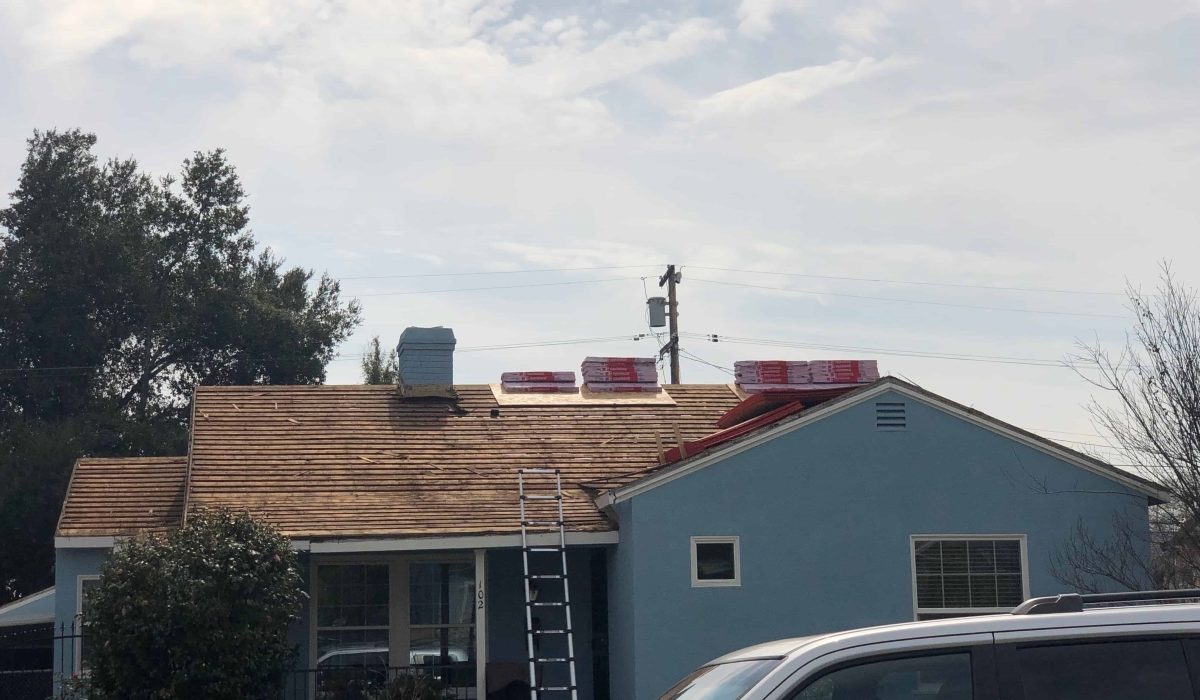
Why Roof Longevity Matters More Than You Think
Most homeowners underestimate just how much their roof impacts the overall health of their property. A roof isn’t just shingles, tiles, or flat panels overhead — it’s the first line of defense against sun, wind, rain, and storms. When I realized the cost of replacing mine could easily climb into the tens of thousands, I started paying closer attention. Stretching out the lifespan became a priority, and it turned out the solution was surprisingly simple. By making a small routine habit, I extended my roof’s life by 8 years without major investment.
One thing that caught me off guard was how financing plays into roof decisions. Many homeowners put off roof work because of the upfront cost, but exploring options like roof financing plans helps make long-term maintenance less daunting. Still, I wanted to see what I could do myself to avoid replacement in the first place.
The Hidden Costs of Ignoring Roof Maintenance
Neglecting a roof doesn’t just shorten its life — it multiplies hidden expenses. Insurance claims can be denied if damage is linked to poor upkeep. Small leaks, left unnoticed, can drip into insulation, drywall, and even electrical systems. Before long, a problem that could have been prevented with a quick rinse ends up requiring major repairs.
Mold and Indoor Air Quality Risks
One of the scariest consequences of roof neglect is mold. Even a slow leak can create the damp, dark environment mold needs to thrive. Once spores spread through ventilation, indoor air quality declines, potentially causing respiratory issues for family members. What struck me was that such a big issue could stem from something as simple as clogged gutters — which I now clear every time I rinse the roof.
How I Extended My Roof’s Life by 8 Years With Simple Maintenance
The idea sounds almost too easy: grab a garden hose, set up a ladder, and rinse the roof every few months. But the results speak for themselves. My roof went from showing signs of wear to holding strong years longer than expected.
Step-by-Step Roof Rinsing Routine
Here’s the exact routine I followed:
Clear debris by hand — sticks, leaves, and branches were the first things to go.
Gently rinse the surface — using low water pressure to avoid damaging shingles.
Flush gutters and downspouts — ensuring water could flow freely during storms.
Inspect while cleaning — spotting small issues before they became large repairs.
This routine took no more than an hour, yet it became one of the smartest homeowner habits I ever picked up.
Ladder Safety and Best Practices
Working at height always comes with risk. A few guidelines made this process safer:
I chose a ladder that extended at least three feet above the roofline.
I kept three points of contact at all times.
Whenever possible, I asked a neighbor to spot me while I worked.
These precautions kept a simple maintenance habit from turning into a dangerous accident.
The Science Behind Keeping Roofs Clean
Roofs fail faster when exposed to constant moisture, heat, and organic buildup. Leaves trap water against shingles, accelerating decay. Dirt and organic material foster moss and algae that slowly eat away at roofing material. By rinsing everything off, I minimized these threats.
According to the Los Angeles Department of Building and Safety, regular maintenance is even encouraged as part of keeping a property code-compliant. That extra validation gave me confidence I was on the right track.
The Role of Algae, Moss, and Lichen in Roof Decay
These organisms may look harmless, but they anchor into roofing materials, weakening them over time. Harsh cleaning methods like pressure washing can strip away protective layers, which is why my simple garden hose approach struck the right balance. It removed growth without causing new damage.
Comparing Different Roof Types and Their Lifespan
Not all roofs are created equal. Some respond better to rinsing than others, but nearly every type benefits from routine cleaning.
Extending the Life of a Shingle Roof
Shingles are the most common roofing material in my area, and they’re also the most vulnerable to debris buildup. Edges curl, granules wash away, and once water sneaks underneath, leaks form. By rinsing regularly, I prevented dirt and moss from speeding up that process.
I also learned that professional shingle roof services can add protective coatings if wear becomes noticeable — another step that extends life even further.
When Rinsing Isn’t Enough for Shingles
Of course, there are limits. If shingles begin to crack or large sections go missing, rinsing alone won’t fix the issue. At that point, it’s important to bring in a roofer to repair problem spots before the damage spreads.
Why Flat Roofs Benefit Even More From Routine Rinsing
Flat roofs may look sleek, but they have one major weakness: ponding water. Any debris blocking drains creates standing pools that slowly seep into the roof membrane. A simple rinse, especially after storms, reduces this risk.
I eventually realized that flat roof maintenance services can complement DIY care by applying sealants that protect against water infiltration.
Drainage Maintenance on Flat Roofs
For flat roofs, drainage is everything. Keeping scuppers and drains unclogged is the difference between a roof that lasts its full lifespan and one that fails early. I made it a habit to pour water into drains during cleaning, ensuring it flowed freely.
Tile Roofs and the Role of Gentle Cleaning
Tile roofs are beautiful, but they’re fragile underfoot. Stepping on them can cause cracks, and even a small fracture lets in water. My rinse routine let me clean them safely from the ladder’s edge without applying too much force.
To back up my efforts, I researched tile roof services that specialize in reinforcing weak tiles before problems spread.
Preventing Moss and Root Growth Between Tiles
Tiles are prone to moss between the seams. Left unchecked, moss roots wedge tiles upward, creating gaps for leaks. My seasonal rinsing schedule kept this growth under control, especially after wet months.
The Cost Savings of Extending Roof Life by 8 Years
Replacing a roof can cost anywhere from $10,000 to $30,000, depending on material. By extending mine an extra 8 years, I delayed that expense significantly. That’s real money saved simply by sticking to a habit most people overlook.
Calculating Return on Maintenance Investment
If I invested just a couple of hours each year, the payoff was enormous. Extending the roof meant avoiding premature replacement, not to mention all the small repairs that come with leaks and water damage.
Long-Term Financial Benefits for Homeowners
The savings go beyond replacement costs. A longer-lasting roof supports resale value, reduces insurance claims, and even keeps premiums lower. It’s the kind of hidden financial benefit that compounds over time.
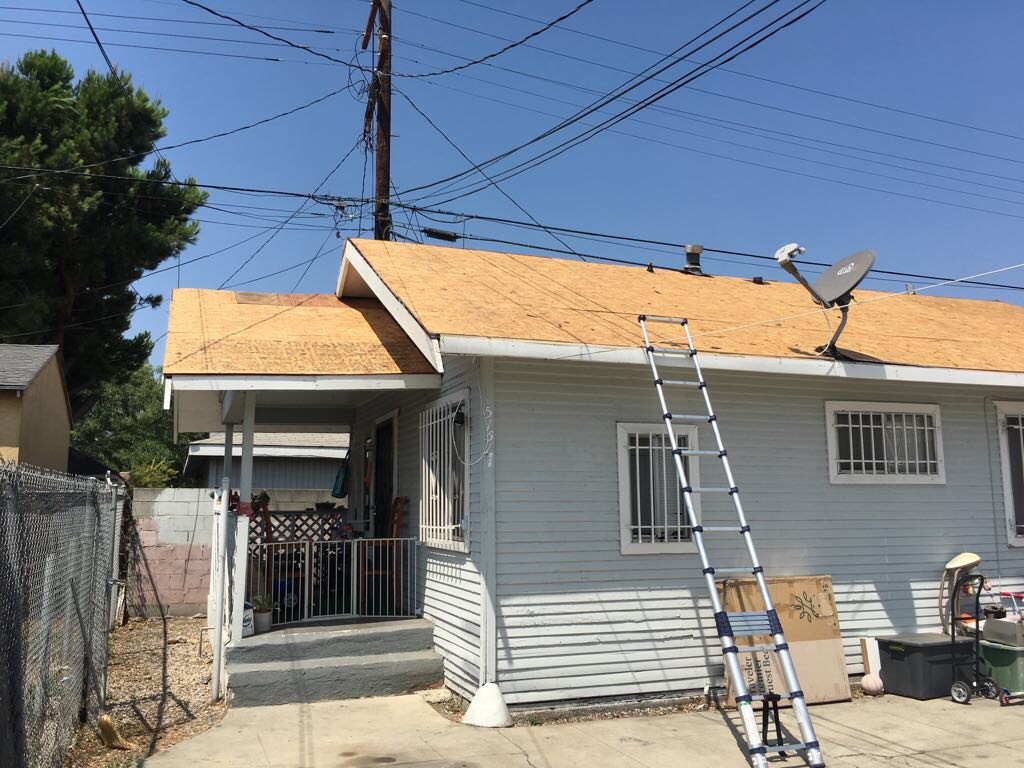
How “I Extended My Roof’s Life by 8 Years” Shapes Smarter Homeownership
Looking back, the biggest lesson wasn’t just about saving money. It was about building a habit. I extended my roof’s life by 8 years with nothing more than a ladder, a hose, and consistency. That consistency is what turned a quick rinse into long-term protection.
Turning Maintenance Into a Habit
The difference between a roof that lasts 15 years and one that lasts 25 isn’t a miracle material — it’s how often the homeowner checks in. Keeping tools handy and making roof care part of seasonal routines keeps problems from sneaking up.
Seasonal Roof Care Checklist for Homeowners
Spring: Remove winter debris and inspect shingles for cracks.
Summer: Look for UV damage like fading or curling.
Fall: Clear gutters before leaves clog them.
Winter: Check for pooling water or ice dams.
Small seasonal steps like these ensure you never fall behind.