

Understanding the Case for Roof Coatings in Modern Roofing
The case for roof coatings has become stronger in recent years as property owners search for cost-effective ways to maintain their roofs without resorting to full replacements. A roof coating is a liquid-applied membrane that seals, protects, and extends the life of an existing roofing system. Rather than tearing off shingles, tiles, or flat roof surfaces, homeowners can apply a specialized coating that restores performance while adding years of durability.
For many, the question is whether coatings truly deliver on their promises or if they simply delay the inevitable need for replacement. The answer depends on roof condition, materials, and installation quality—but in the right scenarios, the case for roof coatings is compelling. Before deciding, it’s smart to schedule a free roof inspection to understand whether a roof is eligible for coating or in need of more extensive work.
How Roof Coatings Extend the Life of Shingles, Tiles, and Flat Roofs
Roof Coatings for Shingle Roofs
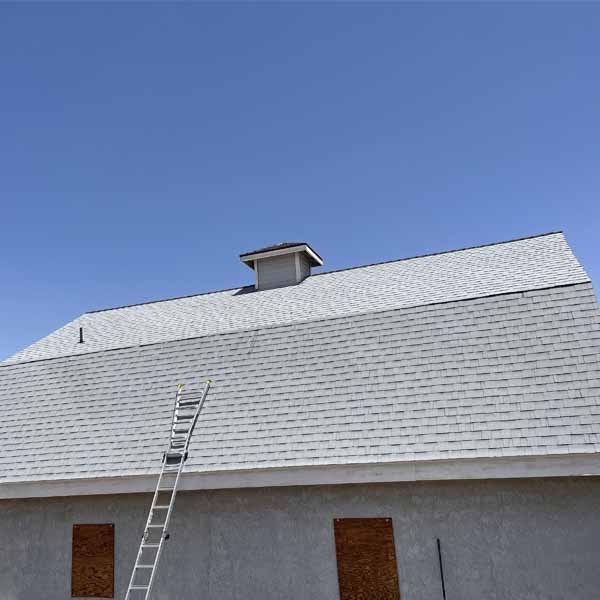
Shingle roofs are among the most common in residential neighborhoods, and coatings can offer them meaningful protection.
Protecting Against UV and Weathering
Over time, shingles suffer from exposure to harsh UV rays, causing cracking, brittleness, and premature aging. A reflective roof coating helps block UV degradation, keeping shingles flexible and intact longer.
Preventing Leaks and Moisture Penetration
Shingle granules can wear away, making roofs more vulnerable to leaks. Coatings form a seamless layer that prevents water intrusion and reduces the likelihood of costly repairs.
For homeowners weighing repair or restoration, coatings can be an affordable bridge option, supported by expert shingle roofing solutions.
Roof Coatings for Flat Roof Systems
Flat roofs are notorious for their challenges, especially when it comes to drainage and ponding water.
Solving Ponding Water Challenges
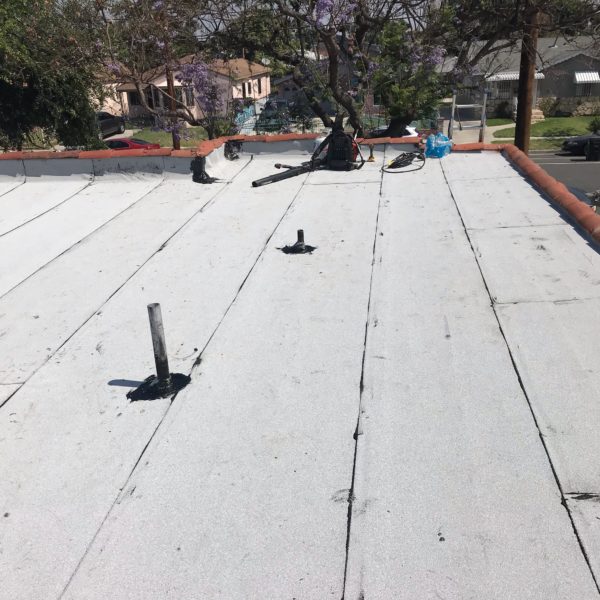
One of the strongest cases for roof coatings is their ability to protect flat roofs. Elastomeric or silicone coatings create a watertight membrane that resists pooling and prevents leaks.
Improving Energy Efficiency in Commercial Buildings
Because many flat roofs cover commercial buildings, coatings also play a role in reducing cooling costs. Reflective coatings bounce sunlight away, easing the burden on HVAC systems and lowering utility expenses.
For property managers and business owners, investing in flat roof restoration services before damage escalates can prevent major operational disruptions.
Roof Coatings and Tile Roof Longevity
Tile roofs are admired for their beauty and longevity, but they’re not immune to weathering.
Compatibility with Different Tile Materials
Not all coatings are suitable for clay or concrete tiles, but specialized formulas can add protection without compromising the roof’s natural breathability.
Best Practices for Tile Roof Coating Application
Applying coatings to tile requires careful preparation, including cleaning, repairing cracks, and ensuring adhesion. When done properly, coatings can enhance a tile roof’s performance while preserving its aesthetic value.
To learn more about specialized solutions, homeowners can explore tile roof maintenance and coating options tailored to their property’s unique needs.
The Financial Case for Roof Coatings vs. Full Replacement
Upfront Costs Compared to Replacement
Material and Labor Savings
Replacing a roof is expensive, often costing tens of thousands of dollars depending on size and material. Roof coatings, by contrast, require fewer materials, less labor, and minimal disruption.
Comparing Lifespan: Coatings vs. New Roof
A new roof may last 20–30 years, but coatings can extend the existing roof by 10–15 years at a fraction of the cost. For many property owners, the math makes the case for roof coatings extremely attractive.
Long-Term Maintenance and Energy Savings
Reduced Cooling Costs with Reflective Coatings
Reflective coatings reduce roof surface temperatures dramatically, helping lower indoor cooling costs. Over time, these energy savings can offset much of the initial investment.
Meeting Building Code Standards
In some regions, including Los Angeles, reflective or “cool roof” systems are encouraged or required by code. The Los Angeles Department of Building and Safety provides guidance on how coatings meet these requirements, making them both a financial and regulatory advantage.
Limitations and Risks of Roof Coatings Homeowners Should Know
While the case for roof coatings is strong, they’re not a one-size-fits-all solution. Severely damaged roofs with structural issues or widespread leaks may not benefit from coatings at all. Attempting to apply coatings to a failing roof only delays inevitable replacement and wastes money.
Improper application is another risk. DIY coating jobs often fail prematurely due to uneven coverage, poor surface preparation, or incompatible products. That’s why arranging a professional roofing evaluation with an expert is critical before moving forward.
Case Studies: Real-World Success of Roof Coatings
Many businesses and homeowners have successfully extended the life of their roofs with coatings. For example, a small commercial building with a deteriorating flat roof avoided a costly replacement by applying a silicone coating, extending the system’s life by over a decade.
Similarly, a homeowner with an aging shingle roof facing heat-related wear applied a reflective coating and saw noticeable reductions in attic temperatures and energy bills. These real-world examples illustrate why the case for roof coatings continues to gain traction.
How the Case for Roof Coatings Shapes the Future of Sustainable Roofing
Beyond cost savings, coatings support sustainability goals by reducing landfill waste from tear-offs. Every roof that’s restored instead of replaced means fewer materials discarded and less energy used in manufacturing replacements.
As green building practices evolve, coatings are increasingly recognized as an eco-friendly solution. They contribute to lower carbon footprints, improved energy efficiency, and longer-lasting building materials.
The case for roof coatings is no longer just about short-term savings—it’s about long-term resilience, sustainability, and smarter building practices. For property owners weighing their options, now is the time to consider a professional assessment and see how coatings could redefine the future of their roof.