

Why Landscaping Can Pose Unexpected Roof Risks
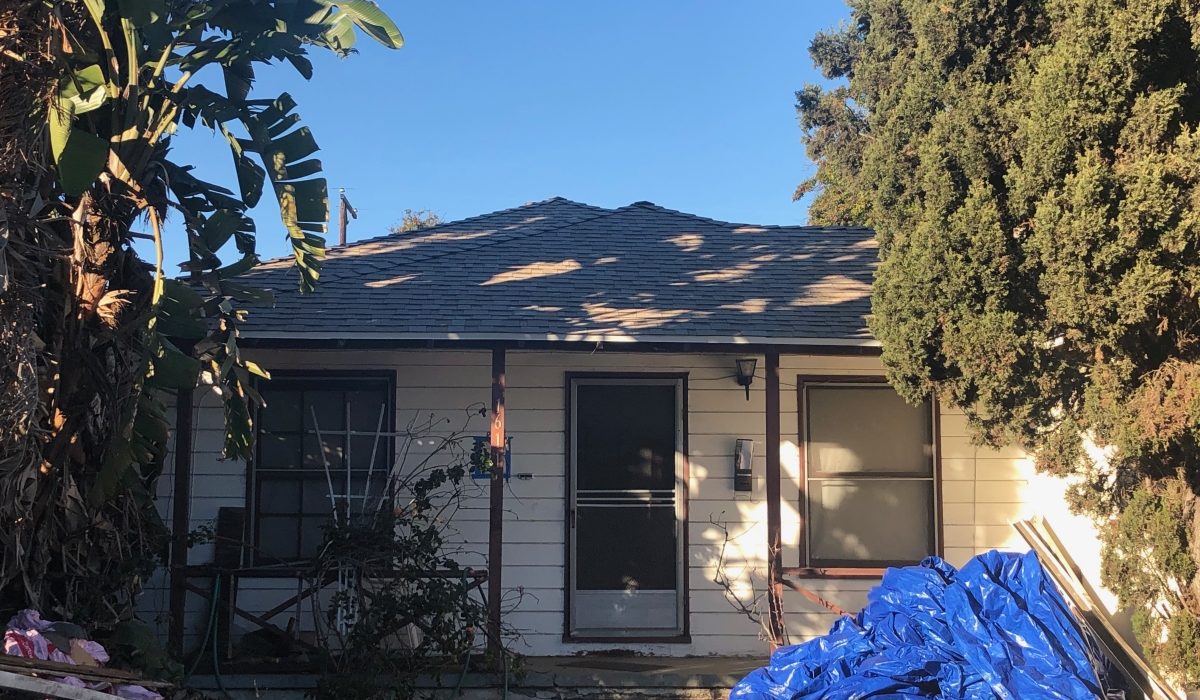
A home’s landscaping might seem like nothing more than a visual upgrade—a way to boost curb appeal and create a welcoming atmosphere. But behind the charm of shade trees and lush greenery lies a set of challenges many homeowners never anticipate. The truth is, landscaping often hides some of the most serious threats to your roof’s long-term durability.
Branches that scrape shingles, roots that unsettle foundations, or leaves that clog drainage systems—all of these create roof risks hiding in your landscaping that can become costly if ignored. Many of these hazards remain invisible until damage has already occurred, making prevention and early detection essential. That’s why scheduling a professional roof inspection is one of the smartest steps any homeowner can take.
Overhanging Branches and Their Impact on Roof Longevity
Physical Damage from Falling Limbs
When storm winds pick up or when trees age, overhanging branches become dangerous projectiles. Even small limbs can break shingles, crack gutters, or puncture underlayment. A single branch falling at the wrong angle may cause enough damage to justify a full roof repair. This is especially true for homes with shingle systems, where impact damage often compromises multiple layers at once. Roofing professionals specializing in shingles roof repair often see this scenario play out after severe weather.
How Small Cracks Become Expensive Repairs
What makes branch impact dangerous isn’t just the immediate break. Tiny cracks in shingles can slowly spread as water seeps through, freezing and expanding in cold weather. Months later, a homeowner might notice a leak far from where the limb originally fell, unaware it all started with one small crack.
Constant Scraping and Wear
Not all branch damage is sudden. Trees swaying in the wind cause branches to brush against shingles repeatedly. The friction wears away protective granules, leaving asphalt shingles bald and vulnerable to the sun.
Identifying Early Signs of Branch Wear
Look for fine black scuff marks, patches of smooth shingles, or sections where granules have washed into gutters. These subtle indicators often reveal long-term wear caused by nearby trees.
Leaves, Needles, and Organic Debris Blocking Drainage
Clogged Gutters and Hidden Water Damage
Autumn leaves may be picturesque, but when they settle on your roof and in your gutters, the problems begin. A clogged gutter prevents water from draining properly, which forces water to back up beneath shingles or pool on roof edges. Over time, this leads to rot and leaks that remain hidden until they’ve spread widely.
The City of Los Angeles Department of Building and Safety highlights how proper drainage is critical to protecting a building’s structure. If your gutters are consistently clogged by landscaping debris, you may be unknowingly breaking those safety expectations.
Roof Deck Rot as the Silent Consequence
The most dangerous part of gutter blockages is what you can’t see. When water infiltrates beneath shingles, it soaks into the wooden deck. A rotting deck weakens the entire roofing system and can collapse under weight, even if shingles above look intact.
Moss, Mold, and Algae Growth
When organic matter collects in roof valleys, it traps moisture. This damp environment creates the perfect breeding ground for moss, mold, and algae. While moss may look like a harmless patch of green, it holds water against the roof surface and pries up shingles as it spreads.
Why Shaded Roofs Are Most at Risk
Homes surrounded by tall trees often face this problem more intensely. Without consistent sunlight, damp patches remain wet for days or weeks, accelerating microbial growth and roof deterioration.
Root Systems and the Foundation-to-Roof Connection
Soil Shifting and Structural Stress
The health of your roof begins with the ground beneath your home. Aggressive root systems from trees planted too close to the house can displace soil and apply pressure on foundations. Over years, this movement causes walls to crack and shifts rooflines out of alignment.
Warning Signs of Root-Related Foundation Damage
If doors suddenly stick, interior walls show diagonal cracks, or your roofline appears slightly bowed, nearby tree roots could be the hidden cause. These changes often signal that your landscaping has already begun undermining your home’s structure.
Landscaping Choices Around Flat Roof Homes
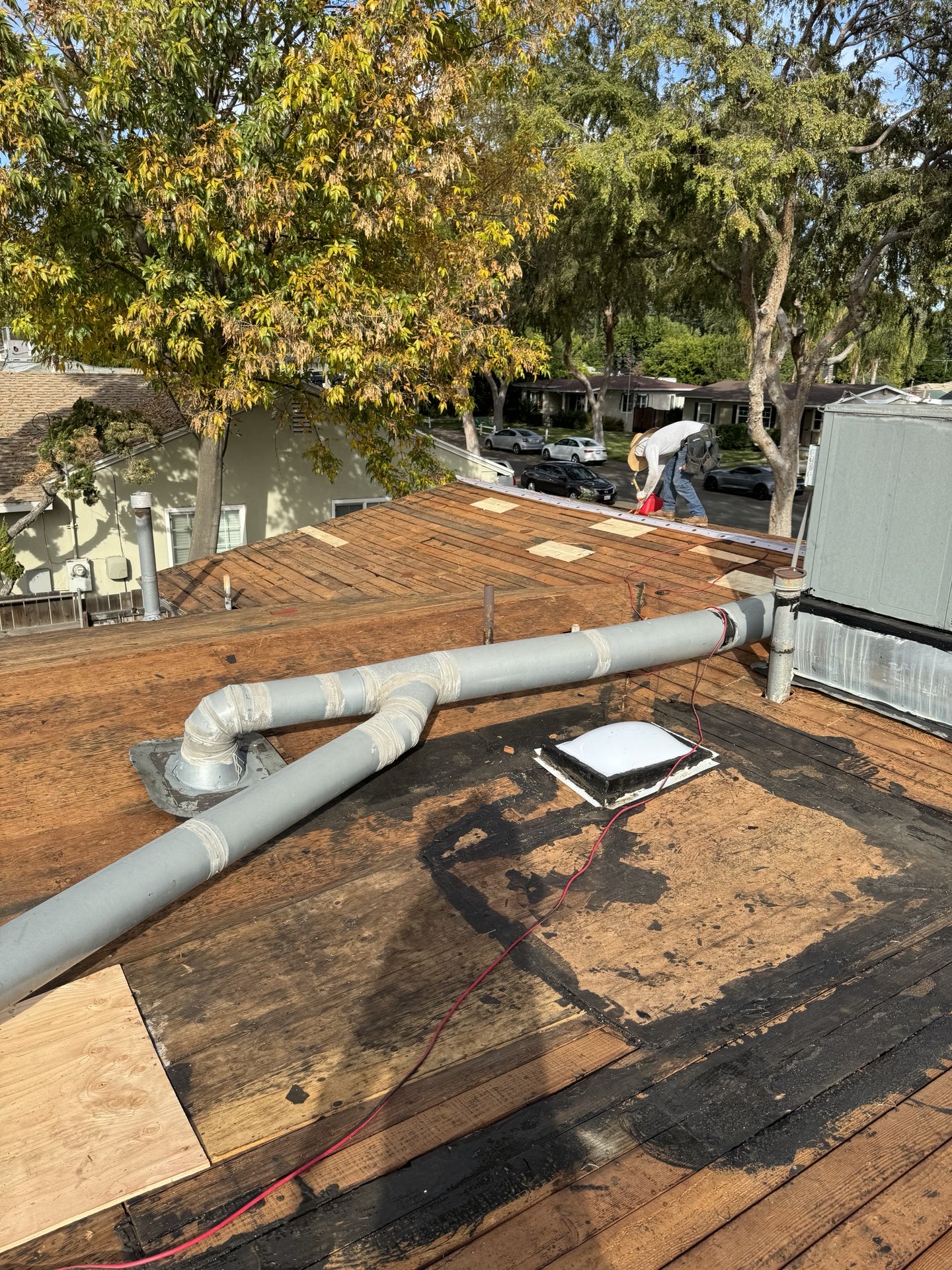
Flat roofs have their own unique vulnerabilities. Leaves and branches collecting on the surface quickly block drainage outlets, causing water to pool. Unlike sloped roofs, flat systems don’t naturally shed water, so even minor blockages can cause leaks. Homeowners should consider routine maintenance from specialists in flat roof services.
Preventing Drain Blockages on Flat Roofs
Simple additions like gravel guards, drain baskets, or leaf screens can dramatically reduce the risk of blockages. Regular sweeping during fall months prevents organic buildup from turning into structural damage.
Wildlife Access: How Landscaping Becomes a Gateway to Roof Damage
Squirrels, Raccoons, and Birds Using Tree Cover
Low-hanging branches aren’t just a physical threat; they also serve as bridges for wildlife. Squirrels and raccoons frequently use overhanging limbs to access roofs and attics. Once inside, they chew insulation, dislodge shingles, and create nests that damage ventilation systems.
Structural Damage Caused by Nesting Animals
Chewed electrical wires, torn underlayment, and blocked vents are common results of animal nesting. These issues not only harm the roof but can also pose fire hazards.
Insects and Termite Infestations from Overgrowth
Dense landscaping against a home encourages pests, especially in damp climates. Insects thrive in shaded, moist environments and can eventually migrate upward into roof systems. Termites, in particular, often move from soil into wooden structures, including rafters.
Landscaping Mistakes That Attract Pests
Overwatering soil, piling mulch against siding, or allowing shrubs to touch the roofline are common mistakes. These seemingly harmless choices create ideal conditions for infestations.
Seasonal Risks of Landscaping on Different Roof Types
Storm Season and Tile Roof Vulnerability
Tile roofs are prized for their durability, but they’re also brittle when struck by debris. Heavy branches falling during storms can easily crack or dislodge tiles, leaving the underlayment exposed. Because tile repairs often require specialized work, it’s best to contact professionals in tile roof care quickly when damage occurs.
Why Tile Roof Repairs Require Immediate Action
A cracked tile may appear stable, but water seeps beneath it with every rainfall. Once water reaches the underlayment, damage spreads unseen until it surfaces as a costly repair.
Winter Ice Dams Worsened by Nearby Trees
In colder climates, nearby trees contribute to ice dam formation. Shaded areas prevent snow from melting evenly, leading to repeated freeze-thaw cycles that trap water under shingles.
Tree Shade and Ice Dam Formation
The more shade your roof receives from branches, the slower snow melts. This uneven thawing is what allows ice dams to form, forcing water under roofing material and into the attic.
Preventative Measures to Reduce Roof Risks from Landscaping
Strategic Tree Placement and Trimming
Homeowners can avoid many of these issues with strategic landscaping. Trees should be planted at safe distances based on their species, and trimming should be done routinely to prevent overhang.
Best Practices for Safe Tree Planting Near Homes
As a guideline, oak trees should be planted at least 20 feet away, pines at 15 feet, and maples at 25 feet. These distances reduce the chance of root damage and branch interference.
Scheduling Professional Roof Inspections
Even with careful maintenance, hidden damage can occur. That’s why homeowners should schedule consistent roof checkups. A free roof inspection can reveal risks before they evolve into serious repairs.
When to Call a Roofer vs. an Arborist
If you’re dealing with overhanging branches or dead trees, an arborist is the right professional. If you suspect roof leaks or notice shingle wear, a roofer should be your first call. In many cases, both experts may need to coordinate for a complete solution.
How Roof Risks Hiding in Your Landscaping Shape Long-Term Home Safety
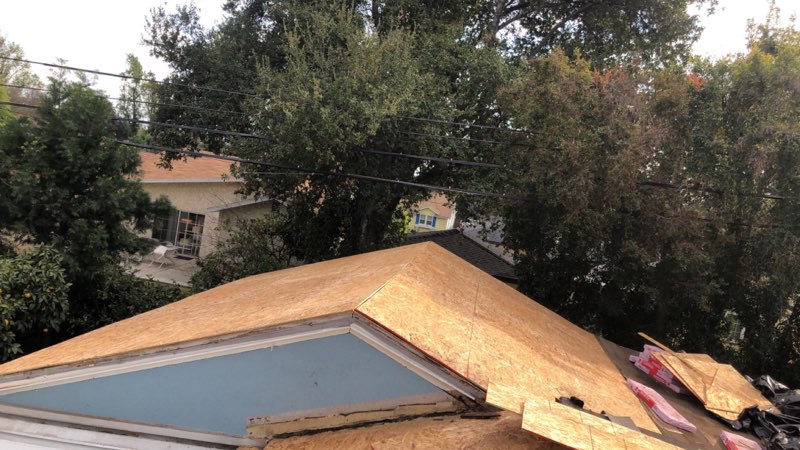
Landscaping and roofing are more connected than most homeowners realize. While a tree-lined property offers beauty and shade, it also carries a silent set of risks. From falling limbs and clogged gutters to hidden foundation shifts and pest invasions, these challenges threaten not only the roof but the entire home.
By being proactive—trimming strategically, maintaining proper drainage, and scheduling inspections—you can preserve both your landscaping and your roofing system. Ultimately, understanding the roof risks hiding in your landscaping is less about fear and more about balance. With the right awareness and preventative care, you can enjoy a beautiful yard without sacrificing the safety and longevity of your roof.