

Why Knowing the Right Time for a Roof Checkup Matters
A home’s roof quietly protects everything beneath it, but because it sits overhead, many homeowners rarely give it a second thought—until there’s a leak. Waiting for visible problems is one of the most expensive mistakes a homeowner can make. By the time water stains appear on the ceiling, the damage has usually spread far beyond the initial leak. That’s why understanding when it’s time for a roof checkup is essential for keeping both repair costs and safety risks in check.
The Cost of Ignoring Small Roofing Problems
A loose shingle or a tiny crack in a tile might seem harmless. But over time, these minor flaws invite water intrusion, which leads to wood rot, mold, and insulation damage. A repair that could have cost a few hundred dollars can quickly balloon into a multi-thousand-dollar roof replacement. Many case studies from insurance providers show that early inspections could have prevented major claims.
Roof Lifespan and Inspection Frequency by Material
Different roofing materials age in different ways. Asphalt shingles typically last 15–20 years but can deteriorate faster in harsh weather. Tile roofs can endure for 40–50 years, yet they’re prone to cracks and underlayment decay. Flat roofs generally last 10–25 years, though they require more consistent upkeep to prevent pooling and leaks.
To avoid surprise expenses, most experts recommend at least one professional checkup per year, plus an additional inspection after major storms. If climbing ladders isn’t your thing, you can always lean on a local roofing company that offers free roof inspections—a safer and often more thorough option.
Common Warning Signs That Signal It’s Time for a Roof Checkup
Certain clues make it clear that your roof needs attention. The good news is many of these red flags can be spotted without ever leaving the ground.
Visible Wear and Tear on Shingles or Tiles
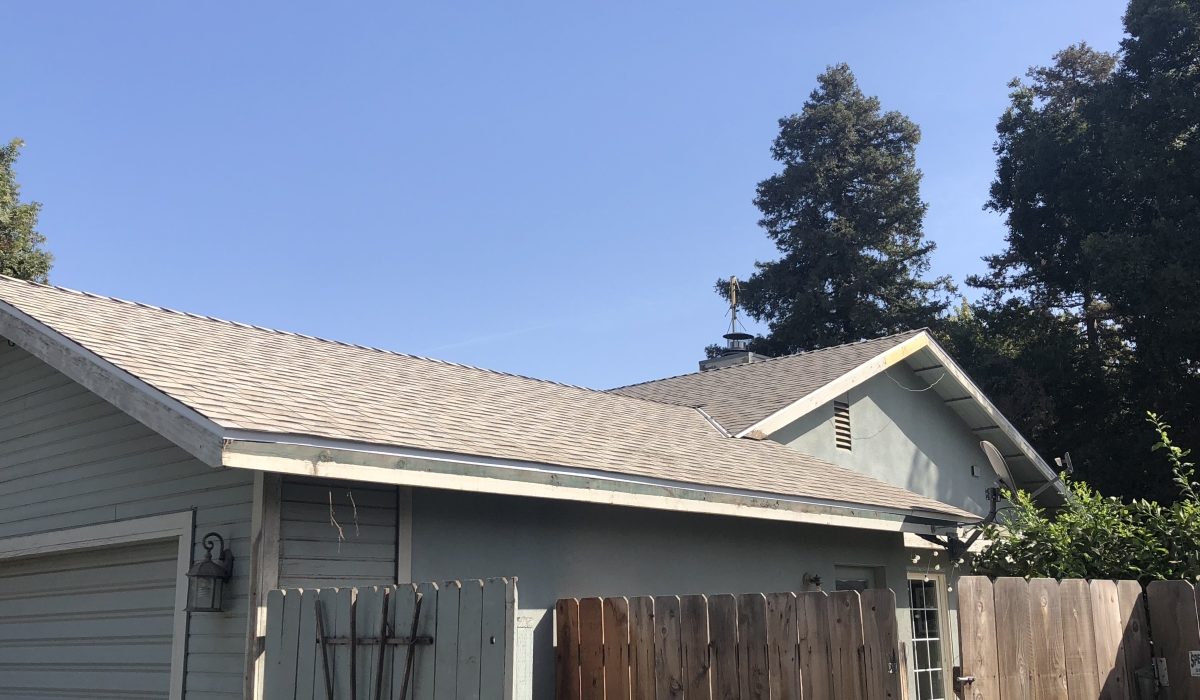
Shingles may curl, crack, or shed granules as they age. You might even find bits of shingle material washed into your gutters. Tiles, on the other hand, often chip or slip out of place. Left unchecked, both issues expose the underlayment beneath, accelerating roof deterioration. If you suspect shingle-specific wear, it may be time to consider shingle roof repair services to prevent escalation.
Flat Roofs and Hidden Risks You Shouldn’t Ignore
Flat roofs present their own challenges. Because they lack a slope, water often pools in shallow dips. Over time, this stagnant water erodes the roofing membrane, causing blisters or punctures. Worse yet, many of these issues remain invisible from ground level, making routine monitoring especially important. For persistent flat roof issues, you may want to explore specialized flat roof services.
Special Considerations for Tile Roofs
Tile roofs are beautiful and long-lasting, but they’re also fragile. Walking on them can cause damage, and shifts in temperature often lead to cracks or slips. Moss growth between tiles is another common warning sign that water is being trapped in ways it shouldn’t. Because these roofs require extra care, homeowners often benefit from professional tile roof services when concerns arise.
Hidden Tile Roof Problems Homeowners Overlook
Some of the most dangerous tile roof issues aren’t visible at all. Underlayment deterioration beneath the tiles can go unnoticed until leaks appear inside. Small gaps may invite pests, while hairline cracks let water seep into the structure. These problems worsen quietly, making inspections even more critical for tile roofs compared to other types.
How to Safely Inspect Your Roof Without Getting Hurt
While curiosity might tempt you to climb a ladder for a closer look, rooftop inspections are one of the leading causes of homeowner injuries. Fortunately, there are safe ways to assess roof health from the ground.
Ground-Level Inspection Techniques
Start with binoculars or use your smartphone’s zoom camera. Look for curling shingles, missing tiles, loose flashing, and gutter overflow. You can also check the ground near downspouts for shingle granules, which often signal that a roof is reaching the end of its lifespan. Around chimneys and skylights, watch for rust, stains, or uneven edges that suggest water intrusion.
What You Should Never Do During a DIY Roof Checkup
Climbing ladders without proper safety equipment is a recipe for accidents. Likewise, walking directly on shingles, tiles, or flat membranes risks damaging the roof even further. It’s also a bad idea to attempt any inspection during rainy or windy weather, as surfaces become slick and unpredictable. The golden rule: if you don’t feel confident, leave it to the professionals.
Tools That Make Roof Checkups Easier and Safer
Today, homeowners have more tools than ever for safe inspections. Consumer-grade drones with cameras can provide a bird’s-eye view without stepping off the ground. Telescoping poles with mounted cameras or GoPros also allow close-up images from a safe distance. For those with proper training, professional-grade safety harnesses and helmets provide added security, though they’re not recommended for casual homeowners.
When to Call in the Professionals for a Roof Checkup
Some situations go beyond DIY observation and demand expert evaluation.
Situations That Demand Expert Attention
If a major storm passes through, especially one with high winds or hail, it’s wise to schedule an inspection. Likewise, visible leaks or ceiling stains are urgent warning signs that shouldn’t be ignored. Home buyers and sellers also benefit from professional reports that document roof condition during transactions.
Benefits of Professional Roof Inspections
Certified inspectors don’t just spot visible problems; they provide detailed reports with photos, identify hidden vulnerabilities, and offer preventive maintenance tips. This documentation is often essential for warranty claims and insurance reimbursements. Scheduling a free roof inspection ensures that nothing slips through the cracks.
Local Codes, Permits, and Compliance
In many cities, certain roofing repairs require permits and compliance with building codes. A professional inspection ensures work is done safely and within regulations. For example, the Los Angeles Department of Building and Safety outlines strict guidelines on roofing projects, underscoring the importance of certified professionals over DIY fixes.
How “Time for a Roof Checkup” Shapes the Future of Home Maintenance
Roofing isn’t just about fixing leaks—it’s about maintaining a home’s overall value and safety.
Seasonal Checkups and Preventive Care
Seasonal changes bring new stresses to roofing materials. Spring and fall are often the best times to schedule checkups, as they bookend the harsher weather seasons. This rhythm helps homeowners catch problems before they worsen through cycles of heat, cold, and moisture.
The Financial and Long-Term Value of Roof Checkups
While some hesitate at inspection costs, the reality is simple: a few hundred dollars in preventive care can save thousands in emergency repairs. Regular inspections extend the lifespan of roofs by years, delaying the need for full replacements and maintaining curb appeal.
Innovations in Roof Inspection Technology
The future of roofing inspections is already here. Drones equipped with thermal imaging can spot leaks invisible to the human eye. AI-driven software now analyzes roof photos to predict weak points before they fail. Soon, smart home technology may allow roofs to “self-report” issues through embedded sensors, shifting maintenance from reactive to proactive.
Why It’s Always Time for a Roof Checkup
Recognizing when it’s time for a roof checkup is more than a home maintenance chore—it’s a strategy for protecting your largest investment. With safer tools, seasonal planning, and professional support, homeowners can avoid dangerous climbs, prevent costly damage, and extend the life of their roofs. Whether you’re spotting shingle wear, worrying about flat roof drainage, or protecting delicate tiles, a regular checkup will always pay off in the long run.