

Why Your Roof Might Be Aging Faster Than Expected
When most homeowners think about roof maintenance, they focus on storm damage, leaks, or missing shingles. But there’s another, less obvious factor at play: the color of your roof. Believe it or not, the shade you chose years ago could be accelerating how quickly your roof wears down.
Darker roofs tend to absorb more heat, and that excess thermal stress breaks down materials faster. On the other hand, lighter roofs reflect sunlight but face challenges like visible discoloration over time. These issues go beyond just looks—they impact how long your roof lasts and how much you spend on energy bills.
If you’ve noticed fading, curling shingles, or uneven wear, it may be time to schedule a free roof inspection. Catching early signs of color-related wear can extend the life of your roof before costly repairs are needed.
The Science Behind Roof Color and Heat Absorption
How Dark Roofs Retain Heat
Dark-colored roofing materials absorb sunlight, converting it into heat that radiates into the roof structure. This trapped heat causes shingles and membranes to dry out, become brittle, and eventually crack. Over the years, this effect can shorten a roof’s lifespan by several years compared to lighter-colored alternatives.
This principle isn’t just anecdotal—it’s built into building codes and efficiency standards. Agencies like the Los Angeles Department of Building and Safety regulate “cool roof” requirements in certain zones to help reduce urban heat and extend roof performance.
Light-Colored Roofs and Energy Efficiency
On the other end of the spectrum, light-colored roofs reflect more of the sun’s rays. This reflective quality not only keeps homes cooler but also reduces the wear caused by constant thermal cycling. A lighter roof can help stabilize indoor temperatures, leading to lower air conditioning bills.
However, lighter roofs aren’t flawless. While they handle heat better, they often show dirt, algae, and discoloration more visibly. The good news? Proper maintenance, combined with modern reflective coatings, can offset these drawbacks while still protecting your roof from premature aging.
Common Roofing Materials and How Color Impacts Their Lifespan
Shingle Roofs and Color Choices
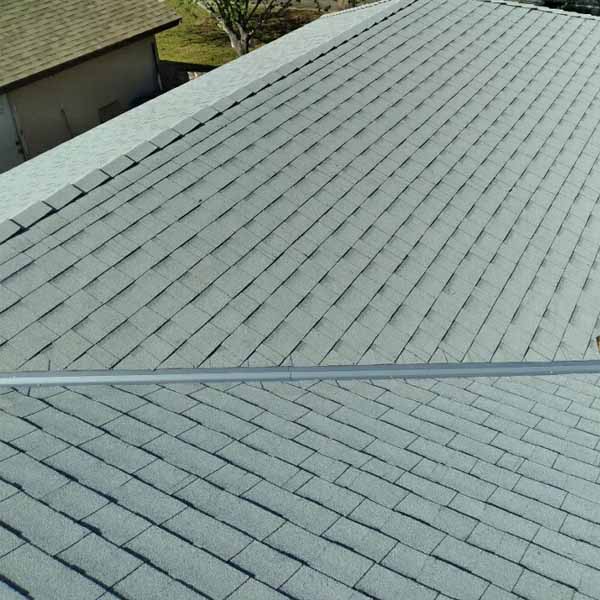
Asphalt shingles are among the most common roofing materials, and color plays a huge role in how they age. Dark shingles may look sharp on installation day, but they deteriorate faster in sun-heavy regions due to heat absorption. Lighter shingles resist some of that heat but often fade unevenly.
If your home relies on asphalt, routine inspections are key. For more details on upkeep and options, explore shingle roof services.
Flat Roofs and Heat Vulnerability
Flat roofs, commonly used on modern or commercial buildings, are particularly sensitive to heat buildup. Because they lack slope, water and debris accumulate more easily, compounding the stress of heat absorption. Dark-colored flat roofs often reach extreme surface temperatures that accelerate membrane breakdown.
Many homeowners and property managers are now considering reflective coatings and white membranes to extend the life of their flat systems. If you’re dealing with a flat roof that seems to be aging fast, flat roof solutions could provide the durability upgrade you need.
Tile Roofs and Natural Color Protection
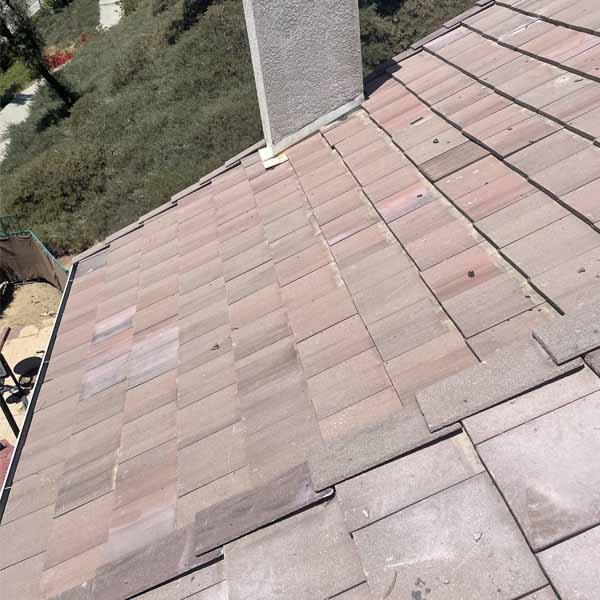
Clay and concrete tile roofs behave differently from shingles. Their natural pigments and denser material offer better UV resistance, meaning they don’t break down as quickly under the sun’s rays. Even so, darker tiles still retain more heat than lighter ones, which can stress underlayment and flashing.
If you’re considering a long-term option, tile roofs are excellent for balancing color and durability. Learn more about the benefits through tile roof services.
How Roof Color Affects More Than Just Longevity
The Role of Roof Color in Home Energy Bills
Roof color doesn’t just affect how fast your roof ages—it influences your utility costs too. A dark roof in a hot climate forces your air conditioner to work harder, raising monthly energy bills. Over time, these costs can outweigh the initial savings of choosing a cheaper, darker material.
For homeowners in warm regions, investing in a lighter or reflective roof color may provide both immediate and long-term financial relief.
Aesthetic Aging vs. Structural Aging
There’s also a distinction between a roof that “looks old” and one that “is old.” A dark roof might not show fading as quickly but could already be suffering structural damage beneath the surface. Meanwhile, a light roof might visibly discolor but still perform reliably.
That’s why visual inspection alone isn’t enough to determine if your roof might be aging prematurely. Professional assessment helps distinguish cosmetic issues from deeper structural concerns.
How to Tell If Your Roof Might Be Aging Prematurely
Some aging signs are easy to spot: curling shingles, cracked tiles, uneven fading, or persistent leaks. Others, like heat-damaged underlayment or weakened flashing, require professional eyes.
If your roof seems to be wearing down faster than expected, especially if it matches the risk factors of color-related stress, don’t delay. Scheduling a free roof inspection can give you peace of mind and potentially save thousands in future repairs.
How “Your Roof Might Be Aging” Shapes the Future of Roof Design
As energy costs rise and climate patterns shift, roof color is gaining new attention. Future roofing solutions are trending toward “cool roof” technologies—materials and coatings designed to reflect sunlight while maintaining aesthetic appeal. Cities and states are already incorporating color and reflectivity requirements into building codes to reduce urban heat and extend roof lifespans.
In other words, the simple choice of roof color is becoming a cornerstone of sustainable home design. If your roof might be aging due to heat absorption or fading, you’re not just looking at a personal repair issue—you’re looking at part of a larger movement in construction. Choosing the right color today can help protect your investment, lower your energy bills, and contribute to a greener tomorrow.