

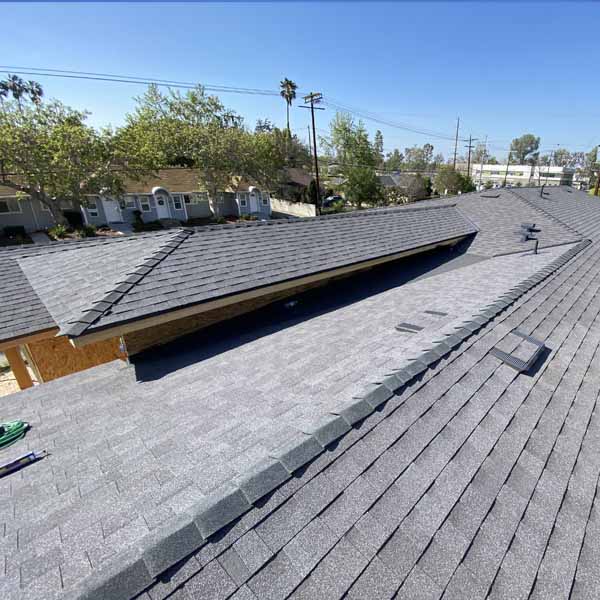
Roof warranties are meant to protect your home and your budget. Yet many homeowners discover the limits of that protection after the first leak, not before. The difference between a smooth, covered repair and a costly denial usually comes down to the details in your paperwork, the quality of installation, and the way you document maintenance. Consider this your homeowner’s playbook for decoding roof warranties with confidence, choosing the right partners, and building a record that stands up when you need it most.
Reading Roof Warranty Language Without Missing a Trap
Warranty brochures often sound reassuring, but the legal document tells the real story. Focus on terms that change the value of coverage over time, shift responsibility to you, or require specific maintenance behavior.
Key Terms You Must Decode
| Term | Plain-English Meaning | Why It Matters |
|---|---|---|
| Limited | Coverage applies only to defined defects or situations | Anything outside the definition is excluded |
| Lifetime | The product’s expected service life, not your lifetime | Often capped or prorated after a short period |
| Prorated | Payout declines as the roof ages | A 20 year old roof may get only a small credit |
| Non-prorated period | Initial window with near full coverage | Ends sooner than most homeowners realize |
| Transferable | Coverage can pass to a new owner | Often requires registration within a deadline |
| Registration required | You must submit forms or online proof | Missing deadlines can void coverage |
| Exclusions | Events or conditions that are never covered | Weather, ponding water, or improper installation are common |
Proration Math That Affects Real Money
Proration reduces how much the manufacturer will pay as time passes. Use the schedule to estimate your actual benefit.
| Roof Age at Claim | Proration Percentage | Material Cost Covered on a $10,000 Roof |
|---|---|---|
| Years 0 to 5 | 100 percent during non-prorated window | $10,000 |
| Year 10 | 60 percent typical example | $6,000 |
| Year 15 | 40 percent typical example | $4,000 |
| Year 20 | 25 percent typical example | $2,500 |
If labor is excluded or only partially covered, your out-of-pocket cost can still be significant. Treat the proration table like a budget forecast so you are not surprised later.
Why Warranty Claims Get Denied Again and Again
Most denials trace back to a short list of patterns. Knowing them helps you prevent them.
The Most Common Denial Reasons
| Denial Reason | What Usually Happened | How to Prevent It |
|---|---|---|
| Improper installation | Wrong fasteners, poor flashing, or misaligned underlayment | Hire a vetted pro and keep proof of spec compliance |
| Lack of maintenance | No records of cleaning, inspections, or small repairs | Use a recurring calendar and keep an evidence file |
| Ponding or standing water | Flat areas hold water beyond time limit | Design proper drainage and document seasonal checks |
| Unpermitted work | No permit for reroof or structural changes | Pull permits and keep inspection sign-offs |
| Third-party penetrations | Solar, satellite, or HVAC holes without approved sealing | Require manufacturer-approved details in writing |
| Weather exclusions | High winds or hail outside warranty terms | Verify local wind ratings and add insurance riders |
| Late registration | Warranty never activated correctly | Register immediately and save the confirmation |
A Simple Prevention Framework
Confirm the installer’s licensing, insurance, and manufacturer credentials.
Ask for the installation spec sheet and request adherence to each detail.
Build a maintenance calendar for cleaning, inspections, and minor tune-ups.
Document everything with photos, invoices, and permits.
Register the warranty, print the confirmation, and archive it digitally.

Installation Quality That Holds Up Under Scrutiny
Materials are only as good as the installation behind them. Selecting the right partner is the single strongest lever you control. Work with a licensed roofing contractor in Los Angeles to protect workmanship coverage and keep manufacturer warranties valid.
Specifications to Require Before Work Starts
Fastener type, count, and pattern for your material
Underlayment weight and overlap dimensions
Flashing materials and locations at valleys, chimneys, and skylights
Ventilation plan with intake and exhaust balance
Deck preparation, including sheathing, slope, and substrate condition
Moisture management and drainage details, especially on low-slope areas
The Documentation Kit That Wins Disputes
| Evidence Type | What To Save | Why It Helps |
|---|---|---|
| Permit and inspection records | PDF copies of approvals and finals | Confirms code compliance |
| Photo timeline | Before, during, and after installation | Shows proper methods were followed |
| Product labels and invoices | Material brand, batch, and quantity | Supports defect identification |
| Installer credentials | License, insurance, and manufacturer certifications | Proves qualified workmanship |
| Maintenance log | Cleaning, repairs, and inspections with dates | Demonstrates homeowner diligence |
Create a single digital folder with dated subfolders. If a claim arises, you can produce a complete narrative within minutes.
Material-Specific Warranty Traps You Can Avoid
Every roof type has its own warranty rules. Match your expectations to how each system is designed to perform.
Asphalt Shingles: Match Ratings to Climate
Many shingle roof systems advertise 25 to 50 year limited coverage. Performance depends on ventilation, nailing pattern, and wind rating. Upgrading to higher wind resistance or impact rating can expand meaningful protection, not just the brochure number.
Typical pitfalls
Over- or under-driven nails that cut the mat
Inadequate attic ventilation that bakes shingles from beneath
Using harsh chemicals to clean algae, which can void coverage
Low-Slope and Flat Roofing: Drainage Is Everything
For a flat roof, warranties commonly exclude ponding water beyond a stated number of hours. Membrane punctures from unprotected foot traffic or unapproved rooftop equipment also jeopardize claims.
Design checkpoints
Tapered insulation to direct water to drains
Walk pads at service routes
Written approval for any penetrations and curb details
Tile Roofing: The Underlayment Tells the Truth
A tile roof can last for decades, but the underlayment, flashing, and fastening system determine water tightness. Many tile warranties cover the tile body, not the layers that keep water out.
Watch for
Underlayment lifespan that is much shorter than tile durability
Structural cracks or substrate movement that misaligns courses
Incorrect fastener placement that compromises uplift resistance
At-a-Glance: Traps by Roof Type
| Roof Type | Highest Risk Trap | Owner Action |
|---|---|---|
| Asphalt shingles | Ventilation and fastener errors | Require balanced intake and exhaust, verify nail pattern |
| Low-slope roofs | Ponding water beyond time limit | Specify drainage with tapered insulation and confirm slope |
| Tile systems | Underlayment aging before tile | Plan underlayment replacement cycles and keep records |
Add-Ons That Can Quietly Void Coverage
Modern roofs often support solar arrays, skylights, satellite dishes, and HVAC lines. These penetrations are a leading cause of disputes.
Risk checklist for rooftop additions
Written approval from the roofing manufacturer for attachment details
Coordination between the roofer and the third-party installer
Revised flashing and curb specifications tied to your warranty
Protective walk pads for service routes
Photographic proof of approved sealing methods
Require submittals before any holes are made. Add the documents to your evidence folder.

Inspection Cadence and Technology That Proves Due Diligence
Inspections catch small issues before they become expensive—and they also satisfy many maintenance clauses. Use technology to strengthen your file.
Aerial imaging and full satellite reports create baseline measurements and condition snapshots
Thermal scans can reveal trapped moisture under membranes
High-resolution photos document sealant life and flashing condition
Follow a predictable rhythm so your records look professional.
Annual Maintenance Calendar
| Month | Task | Outcome |
|---|---|---|
| January | Post-storm check of flashing and penetrations | Early leak detection |
| March | Clean gutters and check downspout discharge | Reduced overflow risk |
| June | Inspect ventilation and attic temperatures | Longer shingle life |
| September | Clear debris before fall winds | Less ponding and clogging |
| November | Pre-rain review of low-slope drainage | Proof of prevention |
Schedule a complimentary checkpoint near the end of your coverage window. A free roof inspection can surface small defects that are easier to address while your warranty is still active.
The Claims Playbook That Keeps You Organized
When you do need to file a claim, speed and clarity matter. Treat the process like a project with milestones.
Capture the issue with time-stamped photos and short video clips.
Stabilize the problem area to prevent further damage, and document the temporary fix.
Review the warranty document to confirm the section that applies.
Pull your permit records, product invoices, and photo timeline.
Request a written site evaluation from your installer.
Submit the claim with a concise cover letter and your evidence bundle.
Track every phone call and email in a dated log.
If an inspection is scheduled, attend or designate your contractor to represent the installation details.
Request the inspector’s findings in writing.
Evaluate any proposed settlement against the proration table and coverage terms.
A clear paper trail signals diligence and often leads to faster resolutions.
Code Compliance and Local Proof That Strengthens Your Position
Manufacturers reserve the right to deny coverage when work is unpermitted or non-compliant. In Los Angeles, pull permits and keep inspection records. The Los Angeles Department of Building and Safety (LADBS) provides permit lookups, contractor license data, and inspection histories that can validate your project’s legitimacy.
How to build a compliance file
Permit applications and approvals
Inspection sign-off sheets with dates and inspector IDs
Any correction notices paired with final approvals
Photos of labeled materials that match submittals
This file complements your warranty records and proves that the roof was built to local code.
Budgeting for Warranty Gaps Without Derailing Your Plans
Even strong warranties leave some costs to the homeowner. Plan for those costs before you face them.
Typical Costs That Land on the Owner
| Item | Typical Range | Often Covered by Warranty |
|---|---|---|
| Leak investigation visit | 150 to 400 dollars | No |
| Minor flashing repair | 250 to 800 dollars | Sometimes |
| Underlayment repair on tile | 1,000 to 3,000 dollars | Rarely |
| Full membrane section replacement | 2,500 to 7,500 dollars | Only with proven defect |
Financing can help you act quickly so small issues do not become major failures. Consider flexible roof financing options when cash flow is tight or when you want to combine repairs with upgrades that extend service life.
Transferability That Protects Your Sale Price
A transferable warranty can set your listing apart, but only if it is documented correctly and transferred within the stated window.
Seller Readiness List
Confirm transfer rules and any fees
Prepare a one-page summary of the roof’s installation date, materials, and warranty IDs
Provide the maintenance log and last inspection report
Deliver digital copies of permits and inspection approvals
Buyer Confidence List
Verify that the transfer was filed on time
Match product labels on the roof to invoices and warranty registration
Review the proration schedule to understand future value
Ask for any add-on approvals for solar, skylights, or HVAC penetrations

Smart Features That Improve Warranty Outcomes
Roofing is getting smarter, and the right features can strengthen your claim position.
| Feature | What It Does | Warranty Impact |
|---|---|---|
| Leak detection sensors | Alert you at the first sign of moisture | Early action prevents progressive damage denials |
| Cool roof materials | Reduce heat load and material stress | Lower thermal aging in hot climates |
| Walk pads and service paths | Protect membranes where traffic occurs | Fewer punctures and stronger maintenance story |
| Balanced ventilation | Controls attic heat and condensation | Extends shingle life and aligns with manufacturer specs |
Ask your installer to document each feature in the closeout package so you can reference it later.
A Homeowner’s Warranty Toolbox You Can Use Today
Documents to gather
Warranty certificate and registration confirmation
Installation contract and change orders
Product data sheets and safety data sheets
Permit and inspection records
Photo archive by date and location
Maintenance and repair invoices
File structure that speeds up claims
00_Contract_and_Bids
01_Permits_and_Inspections
02_Product_Labels_and_Invoices
03_Photos_Before_During_After
04_Maintenance_and_Repairs
05_Warranty_and_Registration
06_Third_Party_Add-Ons
Signals that it is time to schedule an inspection
Stains or odor in the attic after heavy rain
Granules accumulating at downspout outlets
Movement or gaps at flashing locations
Pooled water visible 24 hours after rainfall on low-slope areas
Bringing It All Together With Clear Next Steps
Read your warranty carefully and highlight proration, transfer, and maintenance sections.
Select a credentialed installer and keep the spec sheet in your job file.
Build your documentation kit before work begins so you capture every step.
Set a maintenance calendar and stick to it.
Use technology to create measurable proof of roof condition over time.
Keep permits, inspections, and all approvals in your compliance file.
If a problem appears, stabilize, document, and submit a well organized claim.
A roof warranty should feel like a safety net that you actually trust. With the right contractor, structured documentation, and a proactive maintenance rhythm, you can turn that promise on paper into real protection for your home and your budget for years to come.